
Resolving Saturated Polyolefin Hydrocarbon Oligomer Interference in Mineral Oil Migration Dossiers
Polyolefin oligomer co-elution requires epoxidation clean-up and GCxGC deconvolution to prevent false mineral oil failures in migration dossiers.
Polyolefin oligomer co-elution requires epoxidation clean-up and GCxGC deconvolution to prevent false mineral oil failures in migration dossiers.

Preparative TREF combined with high-temperature SEC isolates and quantifies migrating sub-1000 Da polyolefin oligomers to verify food contact safety compliance.

Polyolefin migration compliance requires batch-specific testing for low molecular weight hydrocarbons using accredited simulants, exact temperatures, and GC-MS.

Automated deconvolution masks co-eluting NIAS below 10 ppb, making raw ion alignment mandatory before signing food contact migration compliance declarations.

Reconciling masterbatch dosages with specific migration limits requires calculating active concentration, accounting for thermal loss, and verifying compliance by testing.

Ionization efficiency models eliminate thousand-fold semi-quantitative errors in untargeted packaging screening, ensuring defensible non-intentionally added substance compliance.

Co-extracted polymer matrix components suppress electrospray ionization signals, requiring isotopologue compensation to prevent false migration compliance.

Validating post-consumer polyolefin decontamination requires LC-HRMS screening of non-volatile oligomers paired with high-molecular-weight surrogate challenge testing.

Analytical verification of NIAS in multi-layer barrier films requires high-resolution mass spectrometry screening backed by toxicological threshold classification.

Statutory verification of recycled content in single-site chemical recycling requires mass balance boundaries, fuel exclusions, and batch loss accounting.

Harmonizing mass balance ledgers with NIAS protocols requires pairing credit attestation documents with batch-specific high-resolution migration screening.

Polyolefin oligomer humps in HDPE mimic mineral oil on LC-GC-FID; compliance requires GCxGC-TOFMS spectral deconvolution and specific migration on Tenax.

Comprehensive multi-dimensional chromatography quantifies non-target polyethylene migrants down to ten parts per billion to secure food contact declarations.

Semi-quantitative LC-MS screening of bio-based cyclic esters requires probabilistic uncertainty propagation to prevent toxicological misclassification.

LC-MS/MS screening of cyclic ester oligomers in PET packaging ensures NIAS compliance and protects food contact declarations from border enforcement rejections.
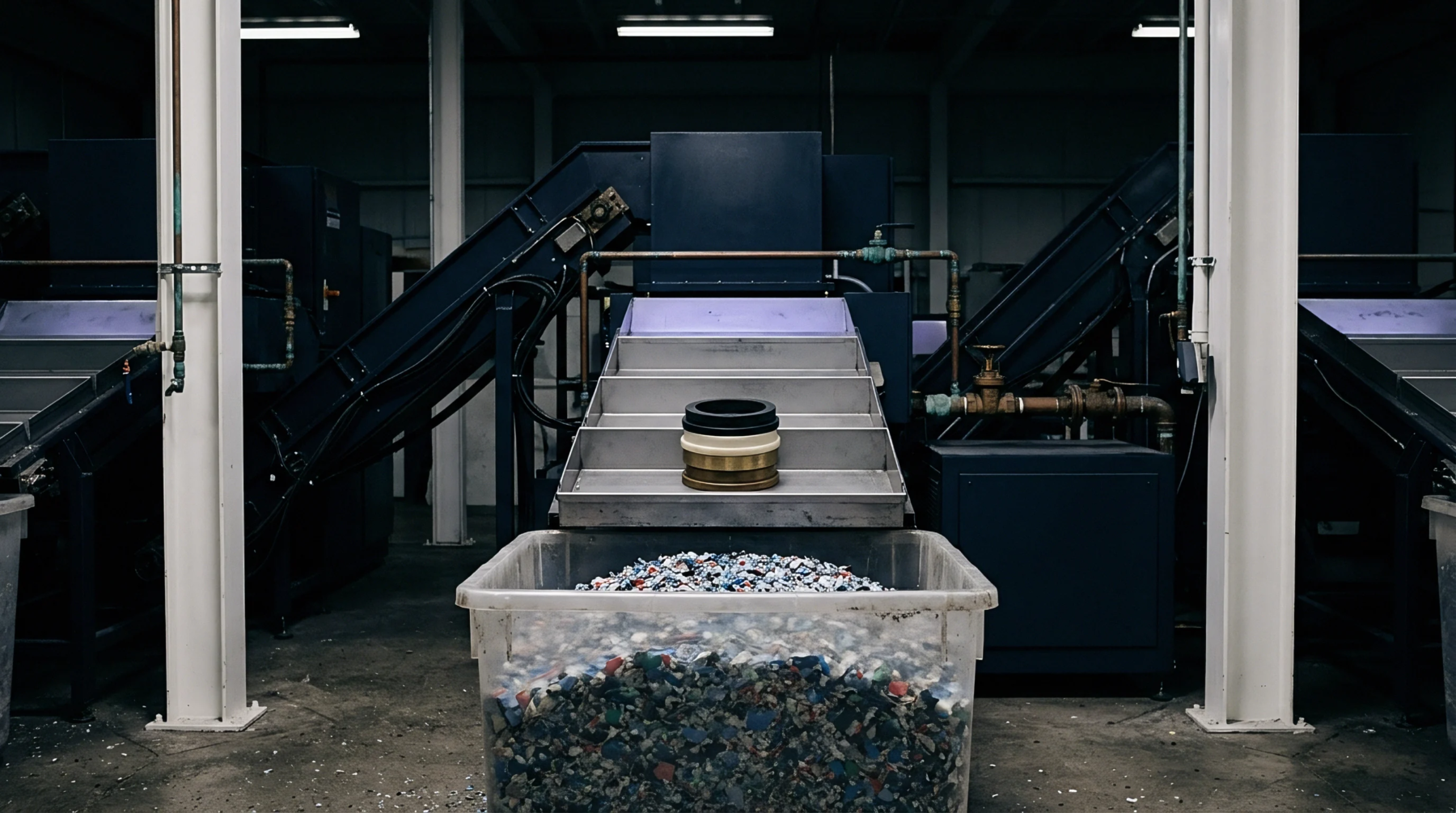
Post-consumer resin dossiers require dual GC-HRMS and LC-HRMS screening with response-factor modeling to establish NIAS toxicological thresholds below 10 ppb.

Dock acceptance of production packaging lots relies on non-target analytical screening and strict lot-specific verification behind declarations.
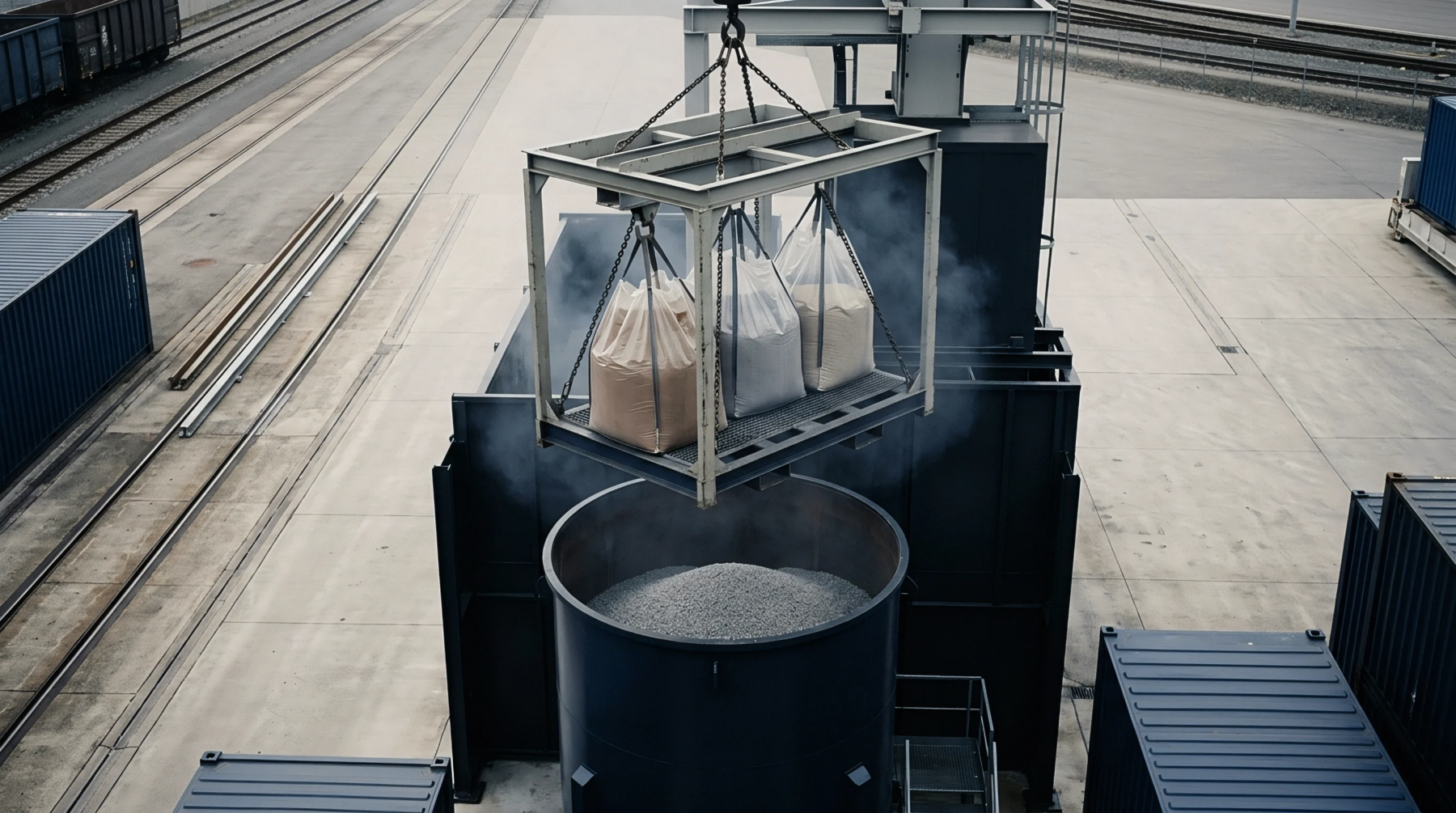
Validating food contact safety in bulk packaging relies on matching simulant test parameters to geometry and auditing chemical declarations for every additive.

Imported polyolefin virgin resin declarations require batch-matched GC-MS monomer analysis and complete Annex I chemical chain documentation prior to entry.
Non-target screening of polyolefin food contact oligomers requires dual GC-APCI and LC-HRMS analysis to resolve saturated aliphatic species below 1000 Da.

Standardized NIAS calibration in PET relies on surrogate matrix-matched standards, response factor thresholds, and verified limits of detection below ten parts per billion.

Quantitation of UV ink breakdown fragments in recycled films demands target GC-MS/LC-MS extraction paired with non-target screening for degradation products.

Chinese food contact plastic declaration files require accredited GB standard migration reports, complete additive SML tracking, and strict lot traceability.
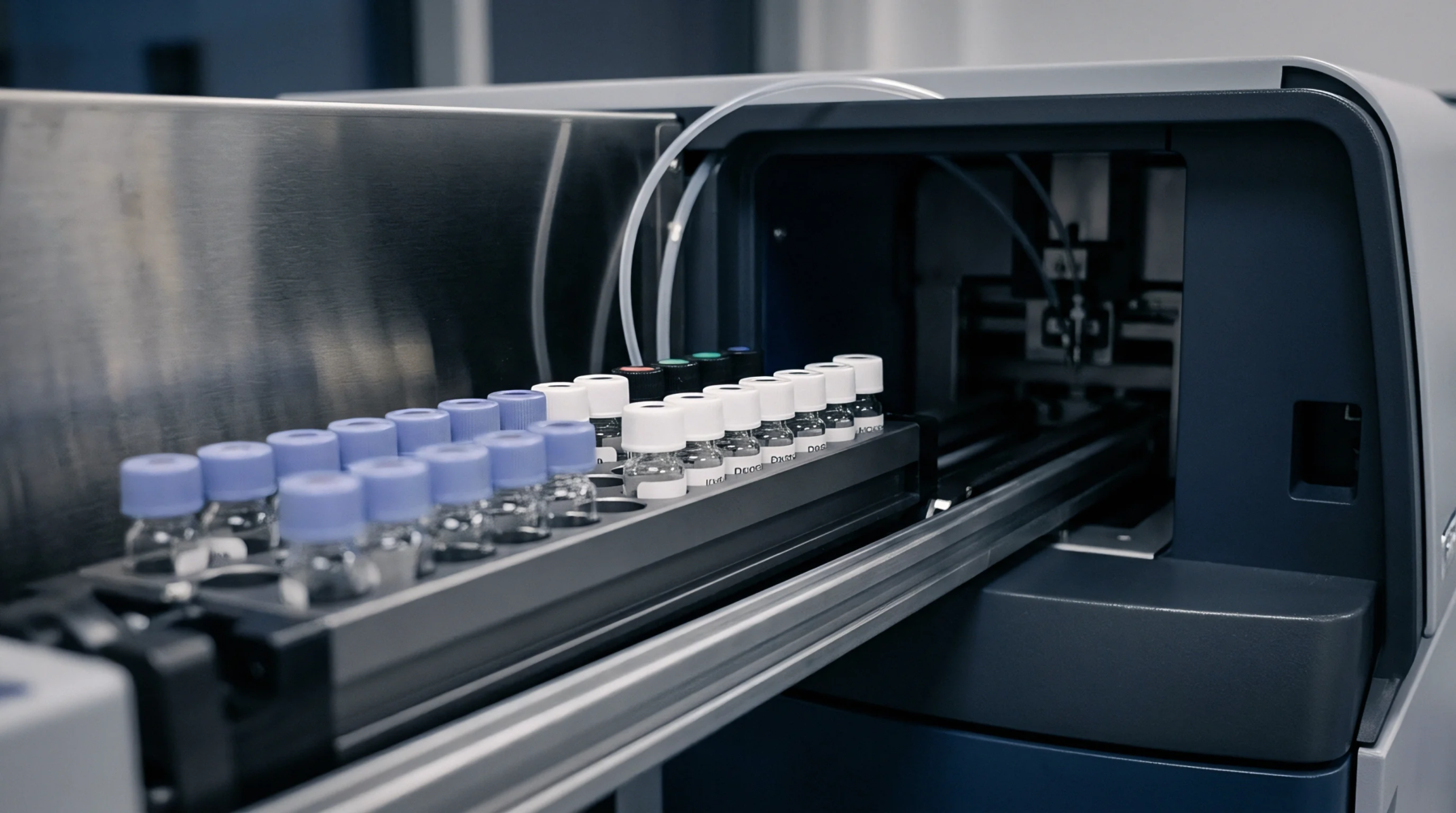
Validation of HPLC CAD enables accurate quantification of cyclic PET oligomers in food simulants through uniform aerosol response calibration.

Polyolefin oligomer screening requires coupled LC-GC-FID quantification of POSH and POAH fractions below ten parts per billion using matched food simulants.

Non-targeted HRMS screening of masterbatches under realistic thermal profiles closes analytical gaps that supplier raw-material declarations leave open.

Screening unknown volatile migrants demands thermal liberation, high-resolution spectral deconvolution, worst-case mass balance, and toxicological hazard assignment against threshold limits.

Analytical screening of HDPE consignments requires solvent extractions, GC-MS profiling, and diffusion modeling to verify food contact compliance before release.

Mitigate HRMS response factor uncertainty in rPET compliance by replacing single surrogates with class-matched standards and predictive ionization algorithms.

Deriving valid PET non-target screening thresholds requires adjusting the 10 ppb toxicological limit by an empirical mass spectrometry response uncertainty factor.
Expertise is a utility, not a secret. sentiention™ publishes its working knowledge as open reference: intelligence layer covering the materials it sources, the markets it enters, and the reference that serves both.