
Polyethylene Terephthalate Non-Intentionally Added Substance Migration Testing Protocols
Polyethylene terephthalate NIAS verification requires multi-platform chromatographic screening down to 0.01 mg/kg backed by toxicological threshold alignment.
Polyethylene terephthalate NIAS verification requires multi-platform chromatographic screening down to 0.01 mg/kg backed by toxicological threshold alignment.

Chromatographic deconvolution resolves co-eluting non-target migrants in recycled polymers, enabling toxicological threshold classification for food contact.
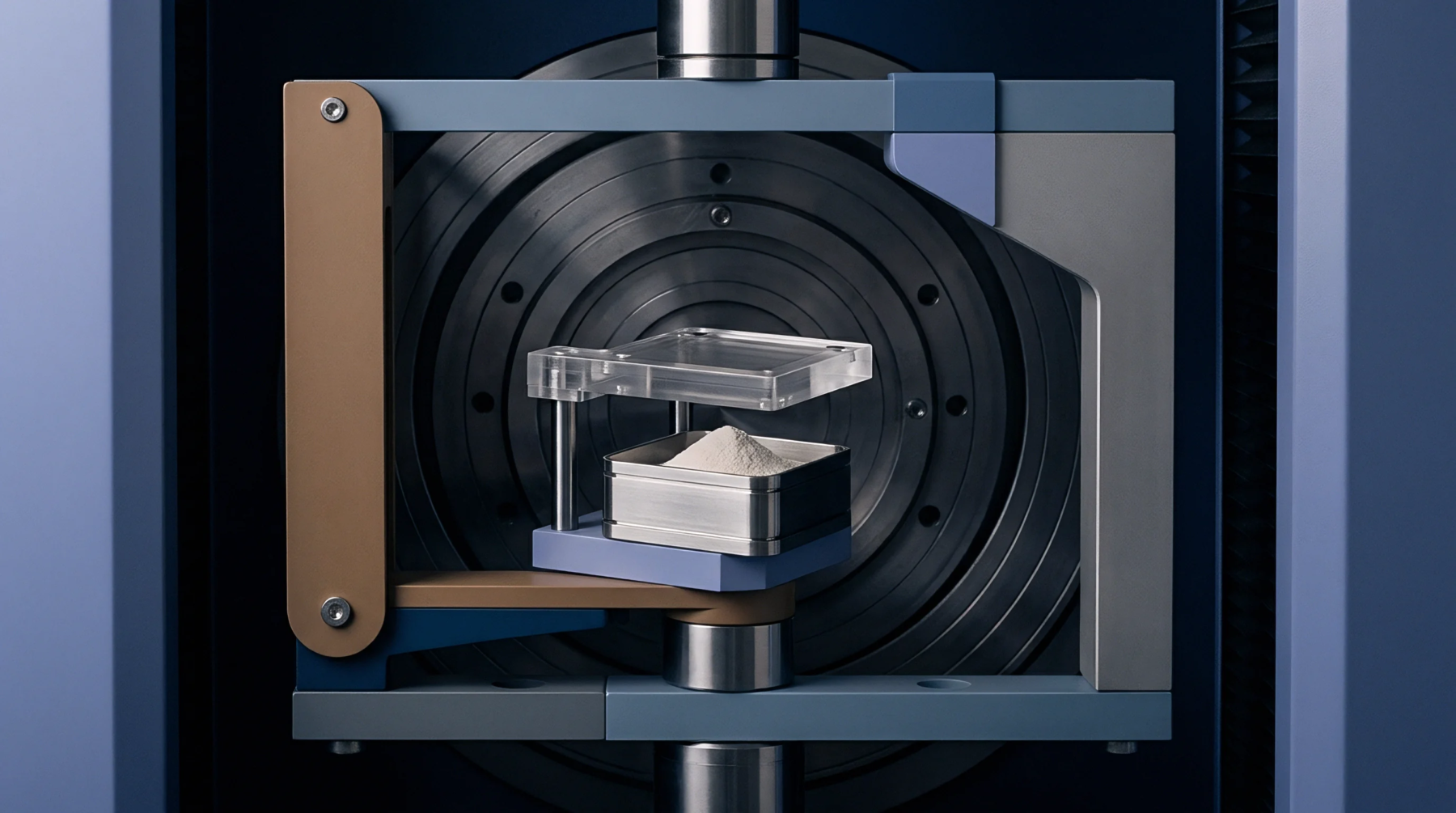
Toxicological evaluation of NIAS in PCR packaging combines non-target mass spectrometry, Cramer classification, and simulant migration testing against EU limits.

Untargeted mass spectrometry screening de-risks recycled polyolefin resins by detecting non-intentionally added substances before food contact batch release.
Quantifying unknown photoinitiator degradants in recycled laminates requires high-resolution mass spectrometry with response-factor-corrected surrogate calibration.
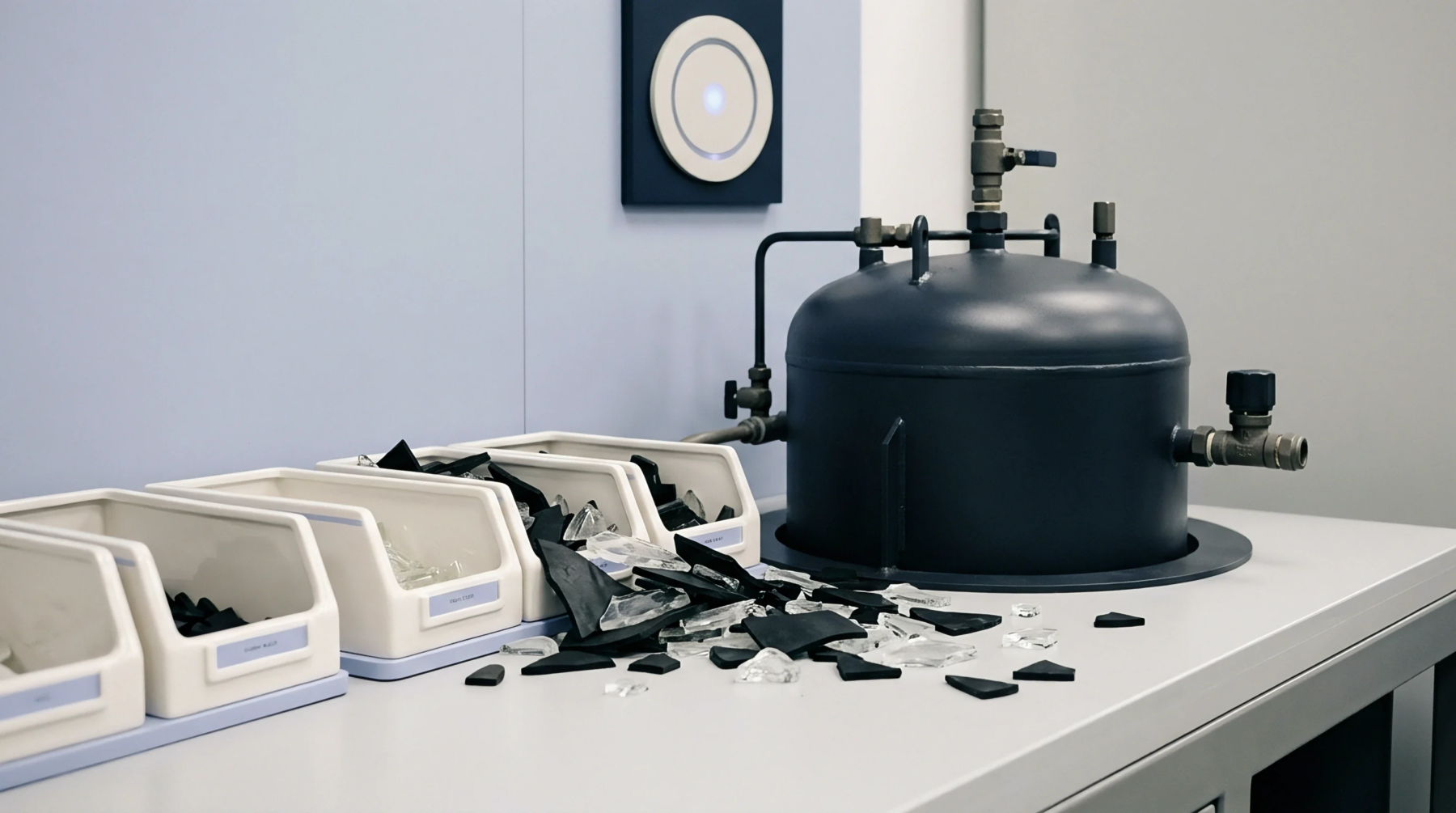
Non targeted screening using dual GC LC QTOF MS combined with toxicological threshold evaluation verifies non intentionally added ink fragments in recycled polyethylene.

Screening recycled polyolefins for non-intentionally added substances pairs high-resolution mass spectrometry with toxicological thresholds below ten parts per billion.

Relative response factors in LC-HRMS recyclate screening vary by up to two orders of magnitude, requiring calibrated multi-surrogate matrices for batch release.

Non-targeted screening of polyolefins requires multi-surrogate relative response calibration to prevent order-of-magnitude underreporting of migrants.

Untargeted mass spectrometry screening of recycled polymer degradation requires 0.4 Da isolation windows and toxicological cutoffs down to 0.01 µg/g.

High-resolution GC and LC workflows detect and semi-quantify unknown migrants in recycled polyolefins against toxicological thresholds to ensure food-contact compliance.

Structural identification of recycled packaging NIAS requires high-resolution mass spectrometry, accurate mass matching, and TTC risk characterization.

Non-target HRMS screening identifies photoinitiator cleavage products in recycled polyolefins to prevent toxic unlisted migrants from exceeding food-contact limits.

Deriving uncertainty factors requires dividing toxicological thresholds by empirical response factor percentiles to prevent screening false negatives.

Derive the analytical evaluation threshold by dividing toxicological exposure limits by dietary consumption and packaging area, adjusting for detector response.
NIAS quantification in multi-layer barrier laminates demands structural alert screening down to 0.15 micrograms per kilogram food contact threshold.
Orthogonal two-dimensional chromatography with mathematical deconvolution resolves co-eluting recyclate contaminants to prove migration compliance below 10 ppb.
HRMS screening without authentic standards creates up to thirtyfold quantification errors for unknown degradation products, risking immediate border detention.

Chromatographic impurity screening of polymer pigment concentrates isolates synthesis carryovers and degradation products to ensure compliance with food contact migration limits.

High-resolution GC-QTOF and Orbitrap workflows quantify non-intentionally added substances down to toxicological thresholds to clear recycled plastics for food contact.

Volatile migrant screening demands matrix-matched headspace gas chromatography to catch monomers, degradation products, and unlisted NIAS before customs entry.

Non-target migrant screening requires spectral deconvolution and class-specific response factors to prevent false-negative toxicological safety evaluations.

Chromatographic NIAS identification in polyolefins combines GC-MS, LC-HRMS, and TTC thresholds to verify that untargeted migrants remain below 0.010 mg/kg food.

Predictive response factors convert high-resolution screening areas into calibrated contaminant concentrations, preventing false food-contact compliance approvals.
Non-target screening of recycled polyester requires GC-MS and LC-HRAMS to detect and toxicologically clear volatile and oligomeric NIAS below 10 ug/kg food.

Deriving mass spectrometry screening thresholds for polyester migrants requires lowering toxicological limits by real surface-to-volume and response uncertainty factors.

Recycled polyolefin screening couples non-targeted GC and LC mass spectrometry with TTC toxicological limits to clear unknown migrants for food packaging.

Electrospray ionization efficiency modeling converts untargeted peak areas into verified migrant concentrations, preventing false food-contact compliance filings.

Relative response factor multipliers scale semi-quantitative screening peaks upward, preventing false compliance claims on unidentified plastic migrants.

Non-targeted screening uses high-resolution mass spectrometry and toxicological thresholds to isolate and clear unknown migrants in food-contact polymers.
Expertise is a utility, not a secret. sentiention™ publishes its working knowledge as open reference: intelligence layer covering the materials it sources, the markets it enters, and the reference that serves both.