Meaning
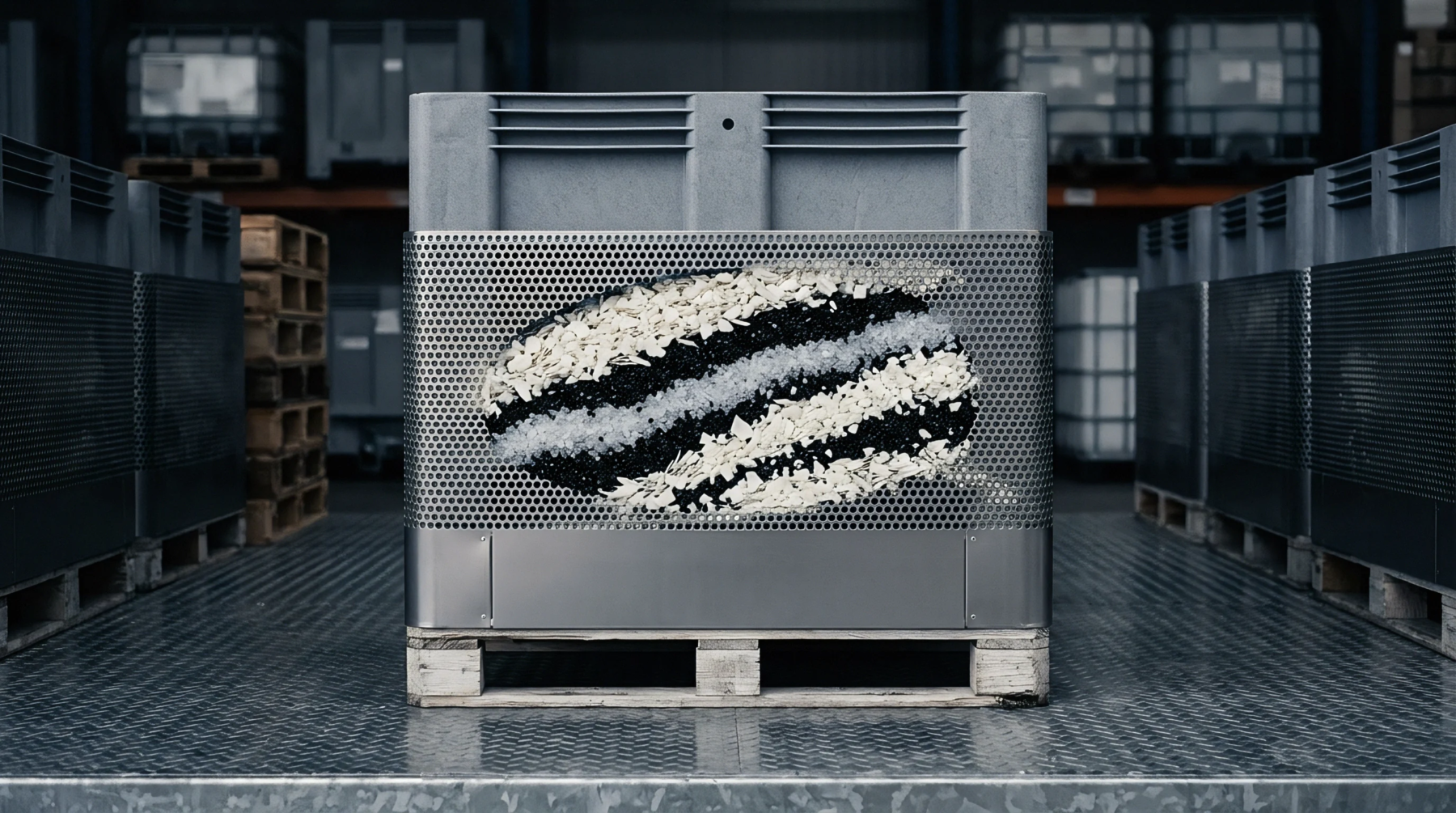
Migration testing protocols rely on Tenax food simulant to quantify mass transfer from packaging polymers into dry foodstuffs under defined thermal stress. Porous polyether oxide resin acts as the standard substitute for dry commodities possessing high surface areas, such as cereals, biscuits, and confectionery. Regulatory compliance frameworks mandate this specific surrogate because direct extraction of dry media introduces severe analytical interference during gas chromatography quantification.
Temperature conditioning routines simulate long term ambient storage or accelerated shelf life testing procedures. Regulatory bodies establish strict migration thresholds to prevent toxicologically significant compound transfer from consumer packaging.
Migration Kinetics
Polymeric packaging constituents migrate at rates dictated by molecular weight distribution and crystallinity parameters within the moulded article. Additives like slip agents, plasticizers, and low molecular weight oligomers diffuse toward the polymer boundary during thermal exposure. Tenax adsorbs these migrating volatiles efficiently due to its high specific surface area and chemical affinity for lipophilic organic compounds.
Analytical extraction of the exposed resin via solvent desorption or thermal desorption followed by gas chromatography mass spectrometry reveals total specific migration levels. Variations in polymer density alter internal free volume, which subsequently accelerates diffusion coefficients and raises total contaminant transfer.
Material Specification
Resin selection dictates the ultimate migration profile of a finished container long before processing commences on the production floor. Virgin polymer grades exhibit predictable extraction tendencies, whereas high levels of post-consumer regrind introduce unknown volatile fractions that elevate outgassing rates. Tooling designers must account for amorphous regions created by rapid cooling during injection moulding, because poorly quenched zones facilitate higher rates of molecular diffusion.
Thermal degradation occurring inside overheated barrel zones shears polymer chains into smaller fragments that migrate readily into contacting simulants. Datasheet values for raw pellets rarely match the performance of moulded parts because thermal history alters internal morphology significantly.
Process Drift
Extrusion temperature fluctuations alter the crystalline structure of the moulded part, leading to inconsistent migration test outcomes across production lots. Elevated barrel temperatures increase polymer degradation, generating volatile oligomers that compromise compliance limits during migration verification. Mould cooling efficiency dictates final crystallinity, where inadequate thermal transfer produces localized amorphous zones prone to accelerated mass transfer.
Production managers monitor melt temperature and cycle time strictly to prevent unseen morphological shifts from violating migration thresholds. Uncontrolled variations in regrind percentage introduce unpredictable chemical contaminants that skew analytical results and trigger batch rejections.