
Recycled Content Claims Priced into a Packaging Tax Line
Recycled content tax claims require lot-specific EN 15343 audit trails and migration reports to withstand customs audits and avoid retroactive landed tax liabilities.
Recycled content tax claims require lot-specific EN 15343 audit trails and migration reports to withstand customs audits and avoid retroactive landed tax liabilities.

Testing plastic food contact articles under China GB 4806 and EU Regulation 10/2011 requires harmonizing simulant choices, thresholds, and batch trace files.

Chemical compliance for plastic parts requires verified migration testing, full declaration chains, and REACH substance limits to avoid customs rejections.

Deriving polyolefin hydrocarbon hump compliance requires LC-GC-FID fraction isolation and Cramer Class derivation to set verifiable limits against migration test data.

Structure cross-border packaging contracts with statutory compliance warranties, lot-matched testing dossiers, and letter-of-credit clearance milestones.
Quantifying polyolefin oligomers relies on silver nitrate silica cleanup, epoxidation of olefins, and LC-GC-FID UCM hump integration against alkane markers.

European food contact polymer compliance mandates measuring total migration below 10 mg/dm² and specific migration limits using exact simulants and conditions.

Deriving toxicological thresholds for uncharacterized benzophenone degradants in PCR polyolefins requires gas chromatography high resolution mass spectrometry AET screening.
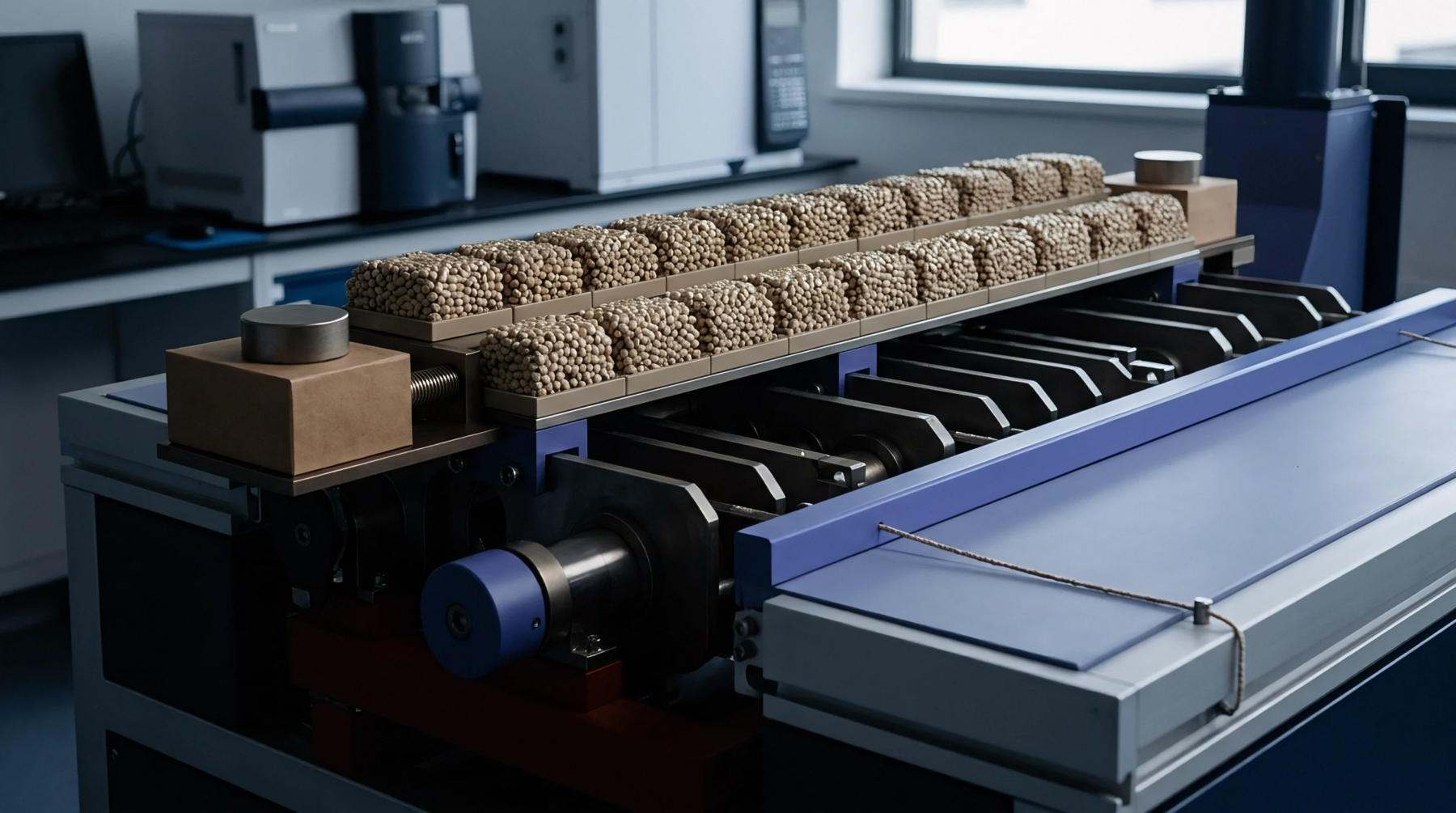
Quantifying dual-use additive migration in multicavity components requires cavity-isolated testing under worst-case shear and thermal conditions.

Converters resolve masterbatch secrecy through third party compliance trusts and standardized specific migration testing protocols.

Clearance of imported food packaging requires matching exact batch lot numbers across invoices, declarations of conformity, and ISO 17025 accredited migration test reports.

Closed loop polyolefin recycling relies on calculated purge rates and non-target screening to hold non-intentionally added substance migration under limits.
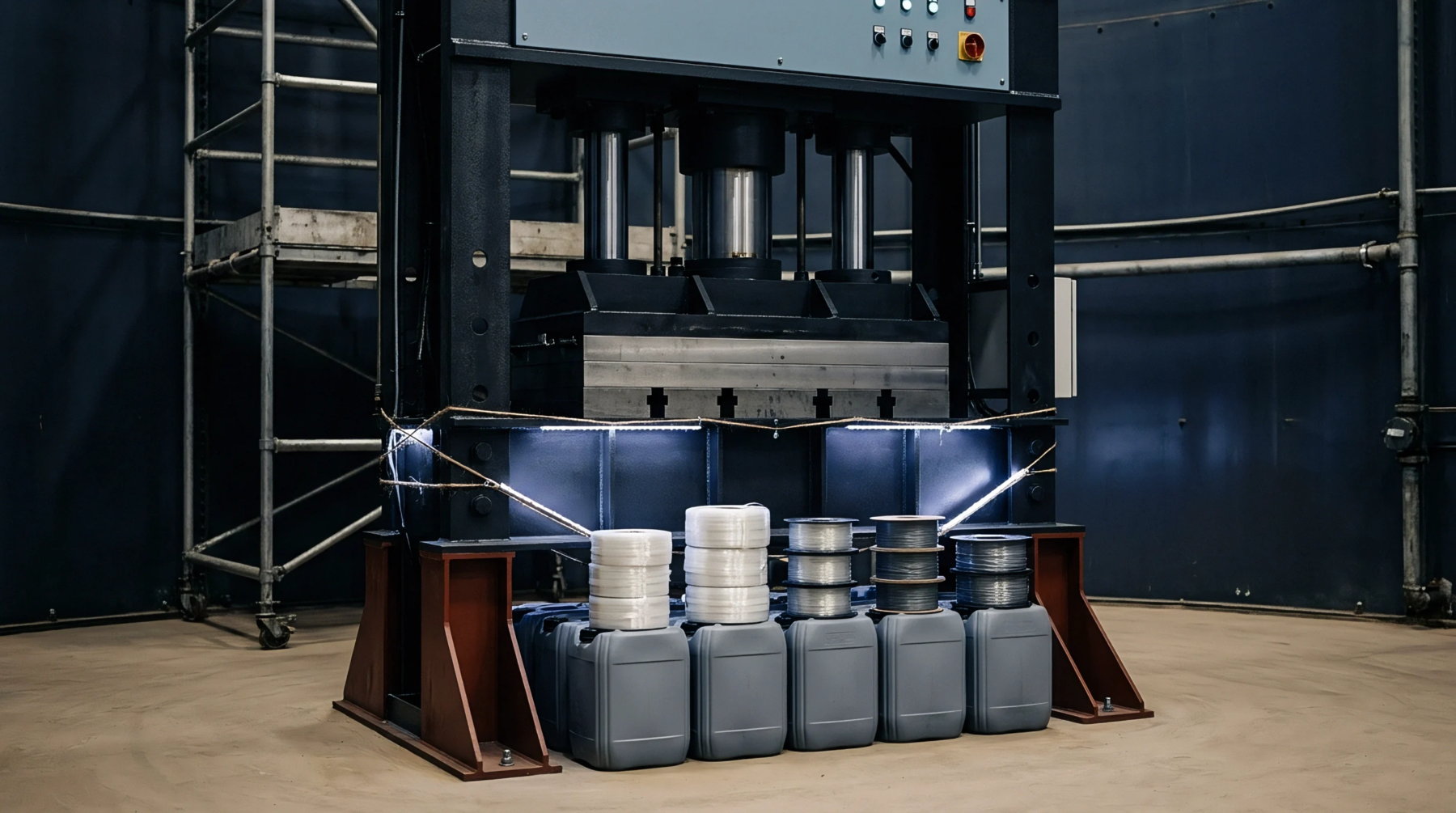
Verify photoinitiator compliance in recycled HDPE via GC-MS/MS extraction and ten-day migration testing under 10 ppb thresholds before signing declarations.

EU food simulant and condition selection requires matching food chemistry and thermal exposure to Regulation 10/2011 matrices to secure legal market access.

A migration number without its simulant and temperature is invalid; exposure medium and thermal regime dictate diffusion and verify regulatory compliance.

Dynamic transport thermal stress drives volatile non-intentionally added substance migration to polyolefin pellet surfaces, invalidating static 40°C compliance declarations at import borders.

Quantifying unresolved polyolefin oligomer humps requires baseline-subtracted GC-FID integration and epoxidation cleanup to isolate non-intentionally added substances.

Chromatographic isolation of dual-use migrants from fat matrices requires GPC or SPE lipid cleanup to prevent mass spectrometry ion suppression and false negatives.

Surrogate calibration of cyclic polyolefin oligomers requires response factor correction to prevent massive quantification errors in food simulant compliance testing.

Dock acceptance of production packaging lots relies on non-target analytical screening and strict lot-specific verification behind declarations.

Polyolefin oligomeric saturated hydrocarbon compliance demands LC-GC-FID isolation, epoxidation cleanup, and fractionated TTC thresholding backed by batch testing.

Chromatographic mass transfer characterization couples LC-GC-FID extraction with Fickian diffusion modeling to verify sub-1000 Dalton oligomers stay below 0.5 mg/kg.

Finite difference diffusion modeling provides legally accepted migration estimates for polyolefin oligomers when parameterized with conservative barrier coefficients.
Comprehensive multi-dimensional chromatography quantifies non-target polyethylene migrants down to ten parts per billion to secure food contact declarations.

Polyolefin migration compliance requires selecting food simulants based on polarity and fat content while accounting for matrix swelling and thermal limits.

Selecting substitute simulants for recycled polyolefin fatty food verification requires matching swelling kinetics to prevent over-extraction while satisfying EN 1186 rules.

Analytical verification of NIAS in multi-layer barrier films requires high-resolution mass spectrometry screening backed by toxicological threshold classification.
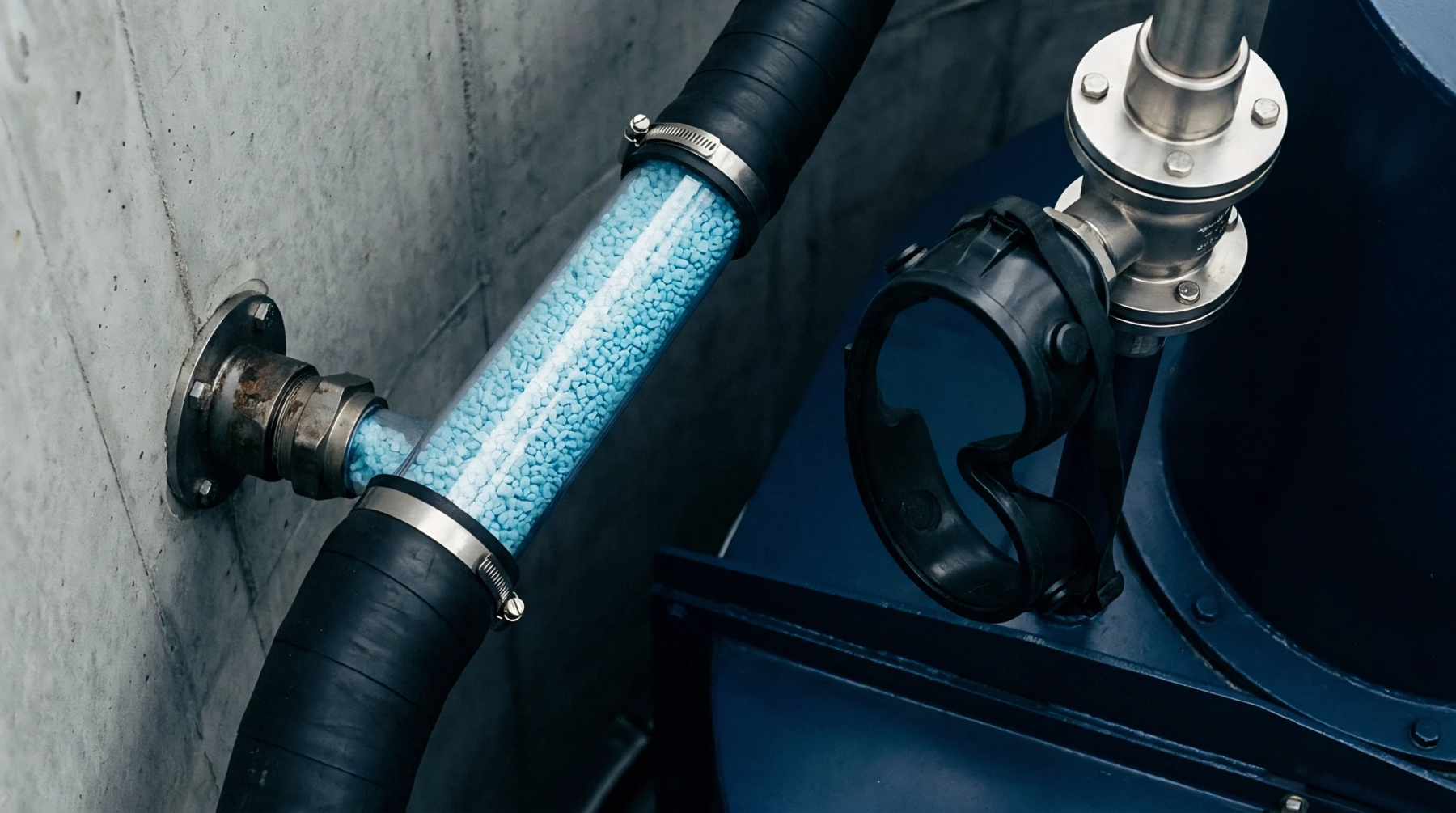
Resolve proprietary food packaging data barriers through third-party escrow clearance, functional barrier diffusion modeling, and non-targeted screening.

Reconciling masterbatch dosages with specific migration limits requires calculating active concentration, accounting for thermal loss, and verifying compliance by testing.

Preparative TREF combined with high-temperature SEC isolates and quantifies migrating sub-1000 Da polyolefin oligomers to verify food contact safety compliance.
Expertise is a utility, not a secret. sentiention™ publishes its working knowledge as open reference: intelligence layer covering the materials it sources, the markets it enters, and the reference that serves both.