
Calibrating High Temperature Food Contact Migration Parameters
Calibrating high-temperature food contact requires pressure-cell extraction in vegetable oil or Tenax to prevent phase-change model invalidation.
Calibrating high-temperature food contact requires pressure-cell extraction in vegetable oil or Tenax to prevent phase-change model invalidation.
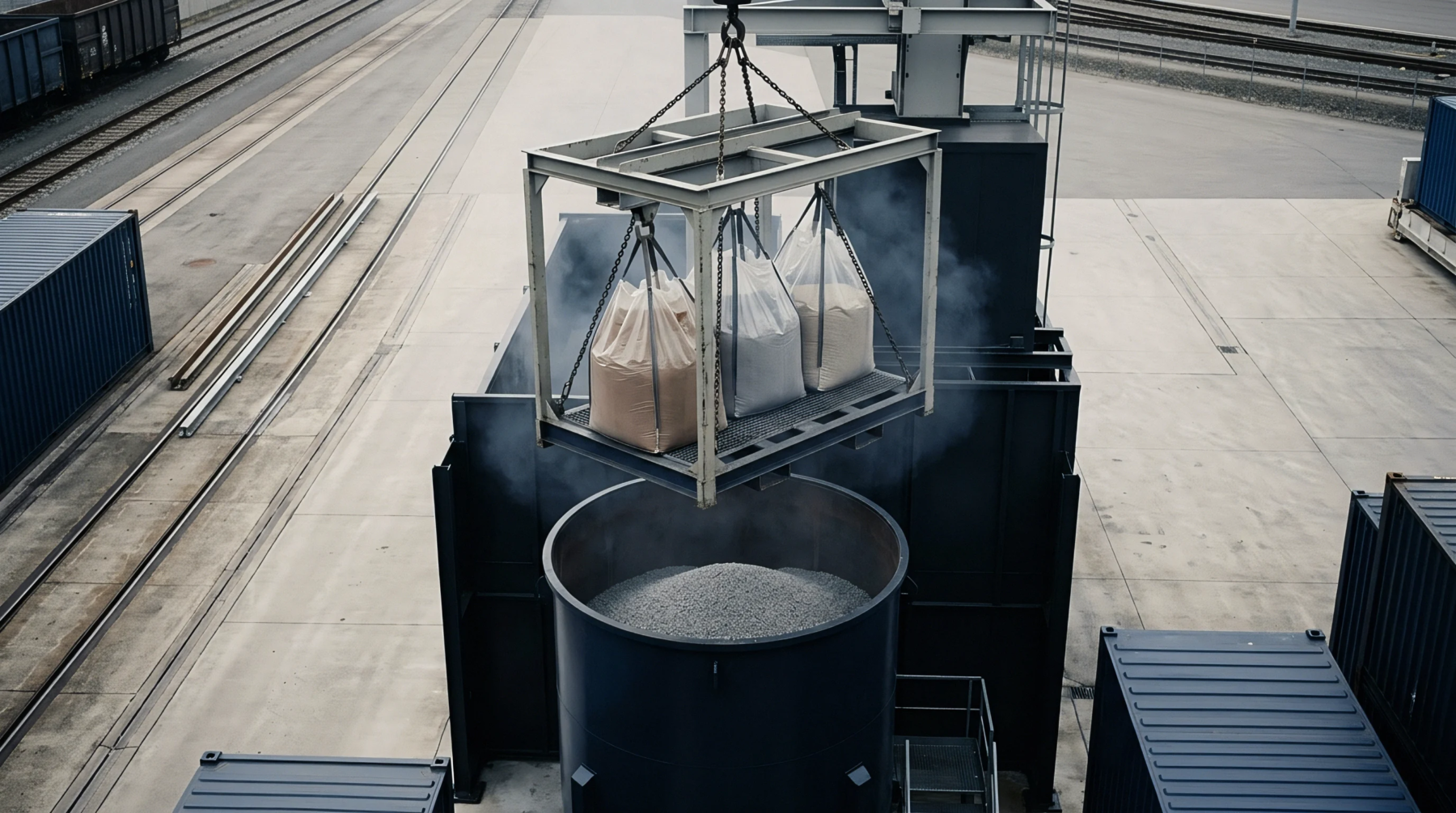
Quantifying cyclic PET oligomers in food simulants demands LC-MS/MS or HRMS to measure specific migration against toxicological threshold limits.

Dynamic freight heat spikes reaching 60 °C accelerate high weight oligomer diffusion, requiring LC-QTOF-MS testing beyond standard OM2 compliance conditions.
Recycled polyolefin food contact compliance demands verified decontamination challenge testing, targeted specific migration analysis, and lot-specific declarations.

Equatorial container shipping elevates internal hold temperatures to 65°C, accelerating plasticizer diffusion coefficients up to 74-fold and demanding high-temperature migration testing to prevent border rejections.

Analytical verification demands testing finished containers against true fill ratios with validated simulants to prove overall and specific limits under law.
Auditing food contact declarations lacking simulant exposure parameters requires demanding EN 1186 test conditions, food type assignments, and surface-to-volume proof.
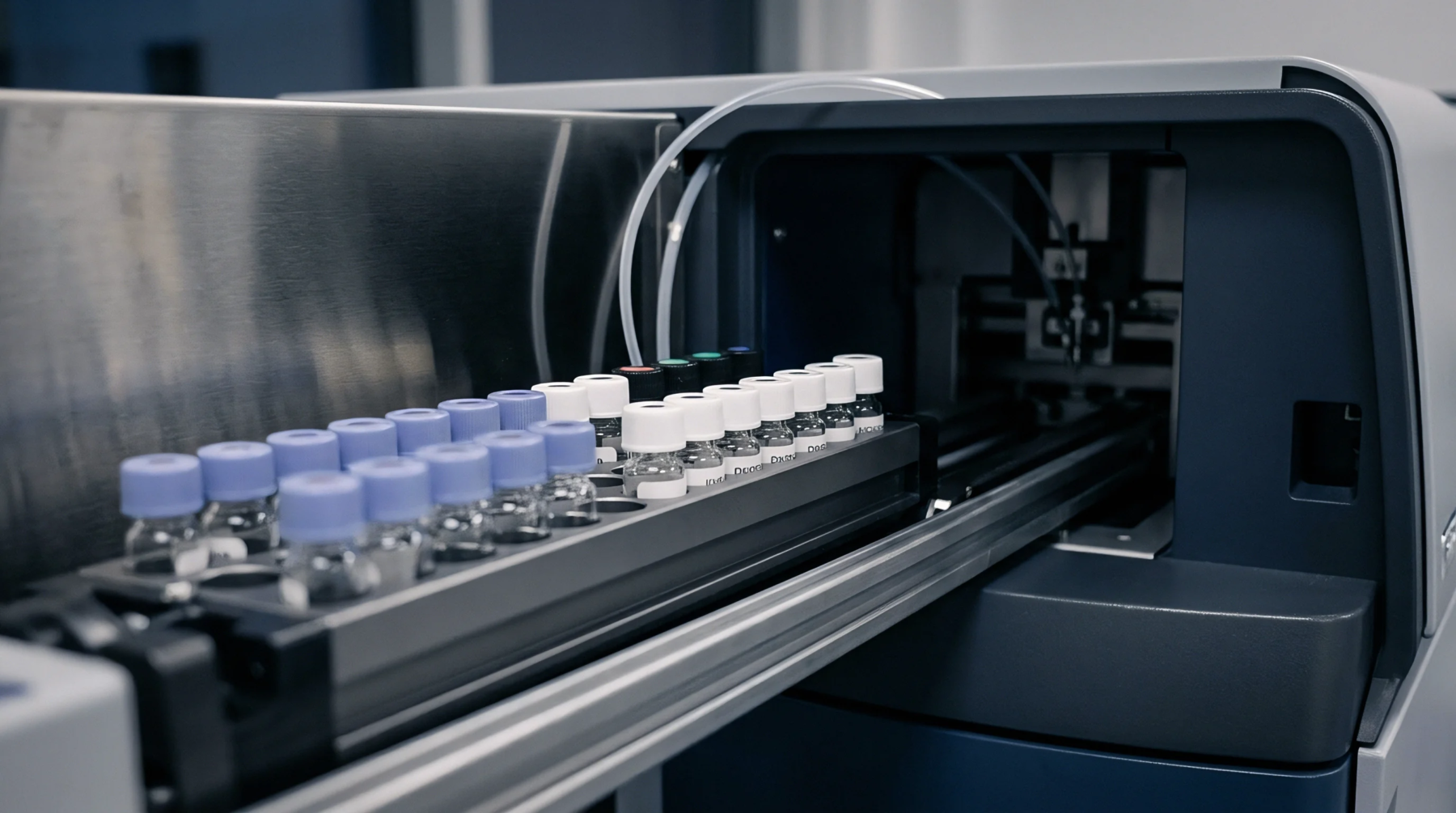
Incomplete migration reports invalidate food-contact packaging compliance; recalculate true exposure from geometry, simulant selection, and detection limits.

Polyolefin functional barriers qualify when numerical diffusion models and challenge tests confirm non-authorized migrant transfer stays below 0.01 mg/kg.

Quantifying photoinitiator set-off requires single-side cell extraction to isolate tension-driven surface contact transfer from bulk polymer migration.
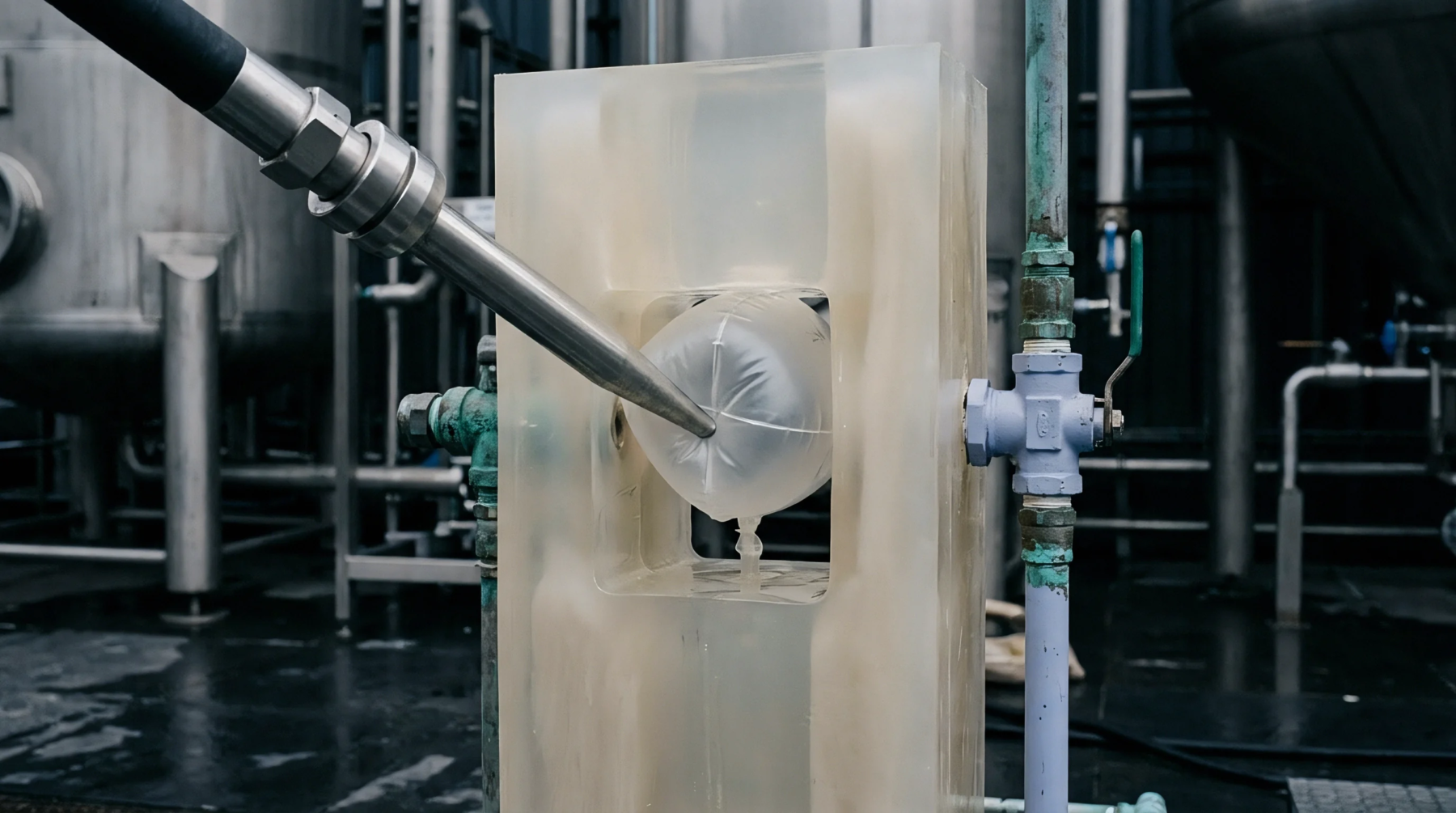
Replacing accredited food contact test reports with internal bench screening invalidates declarations of conformity and exposes importers to customs seizures.

Chemical recycling yields in polyolefin packaging require strict mass balance audits deducting fuel losses to prevent tax liabilities and compliance failures.

Response factors in non-targeted screening vary across four orders of magnitude, creating substantial quantification errors without class-matched calibrants.

Dynamic electrospray matrix suppression conceals non-target migrants in rapid resin audits, requiring mathematical baseline deconvolution to prevent false compliance.

Applying substitute fatty simulants and reduction factors demands proof of technical infeasibility, validated lipophilicity, and uncompromised matrix integrity.

Annex III assigns simulants by food chemistry, demanding vegetable oil or qualified solvent substitutes whenever plastics touch free surface fats.

Standardized MS deconvolution requires a 10:1 S/N ratio against oligomer humps to reliably clear recycled polyolefins at the 0.01 mg/kg migration limit.
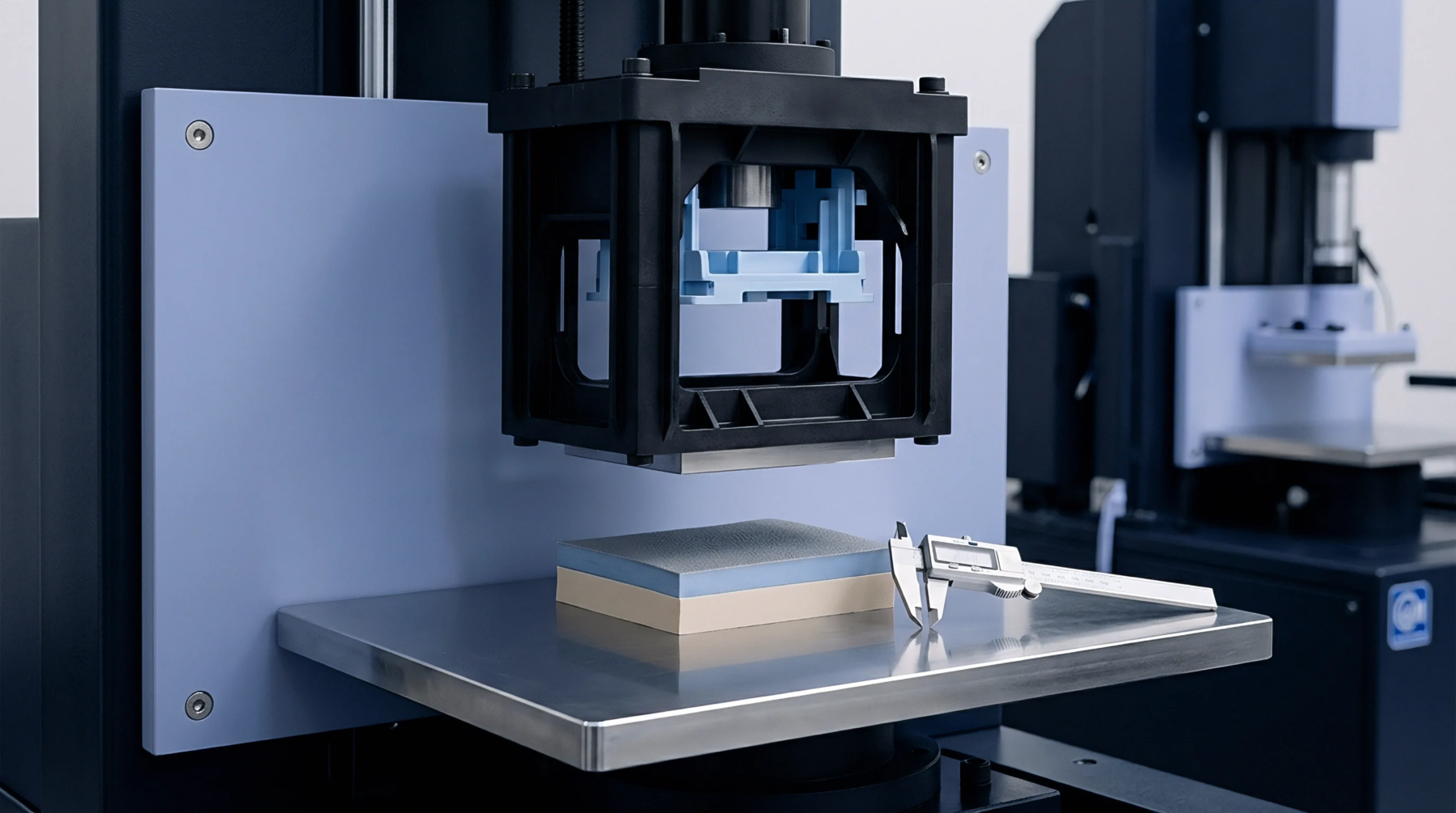
Orthogonal two-dimensional chromatography with mathematical deconvolution resolves co-eluting recyclate contaminants to prove migration compliance below 10 ppb.

Online LC-GC-FID with silver nitrate and epoxidation clean-up provides defensible quantification of MOSH and MOAH by removing interfering polymer oligomers.

Uncharacterized cyclic oligomers in rHDPE trigger conservative Cramer Class III toxicological limits that conventional single-layer packaging cannot meet.
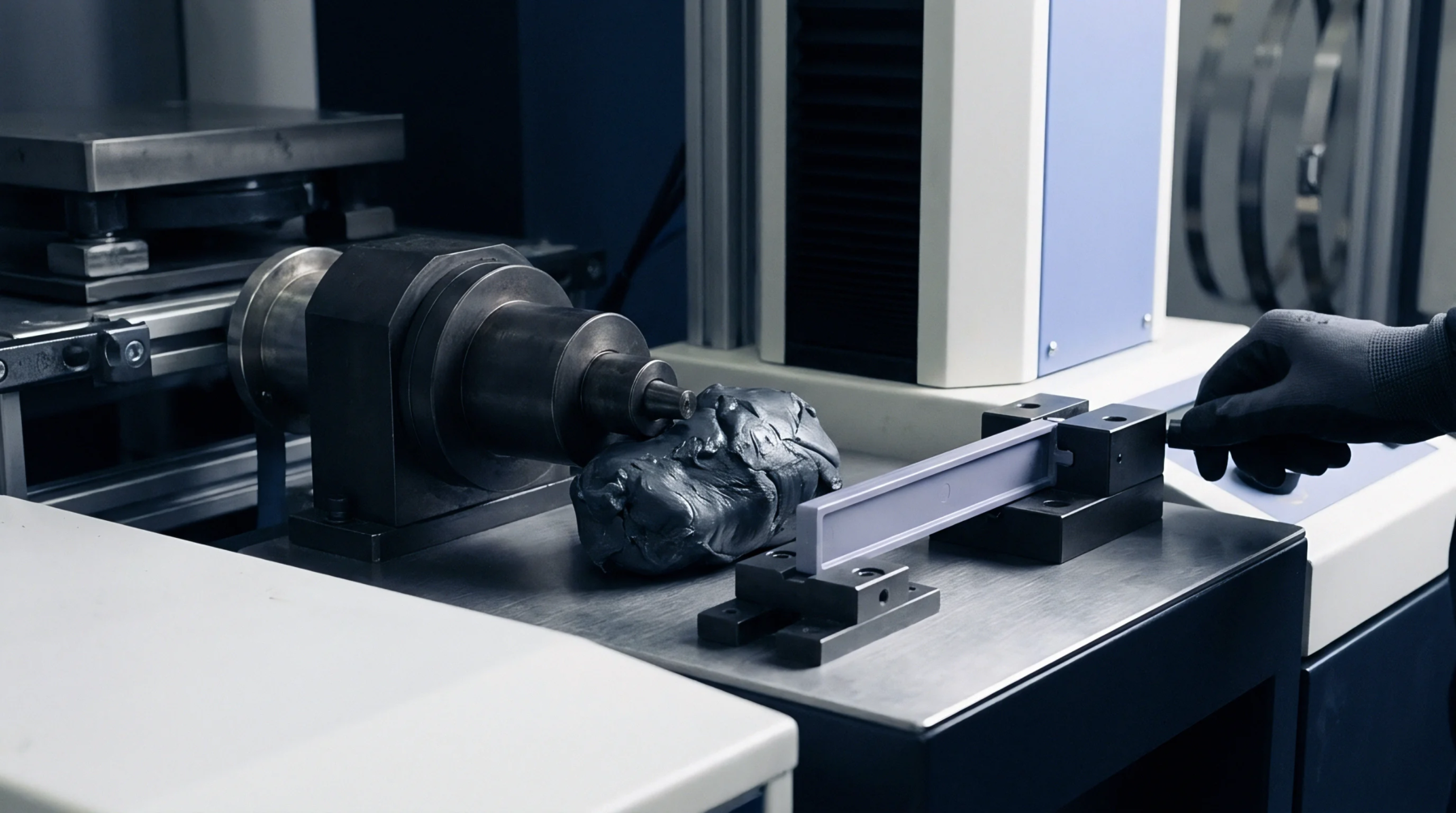
Normal-phase LC-GC-FID separates saturated POSH from aromatic POAH to prevent false-negative genotoxic evaluations below 0.01 milligrams per kilogram in food.
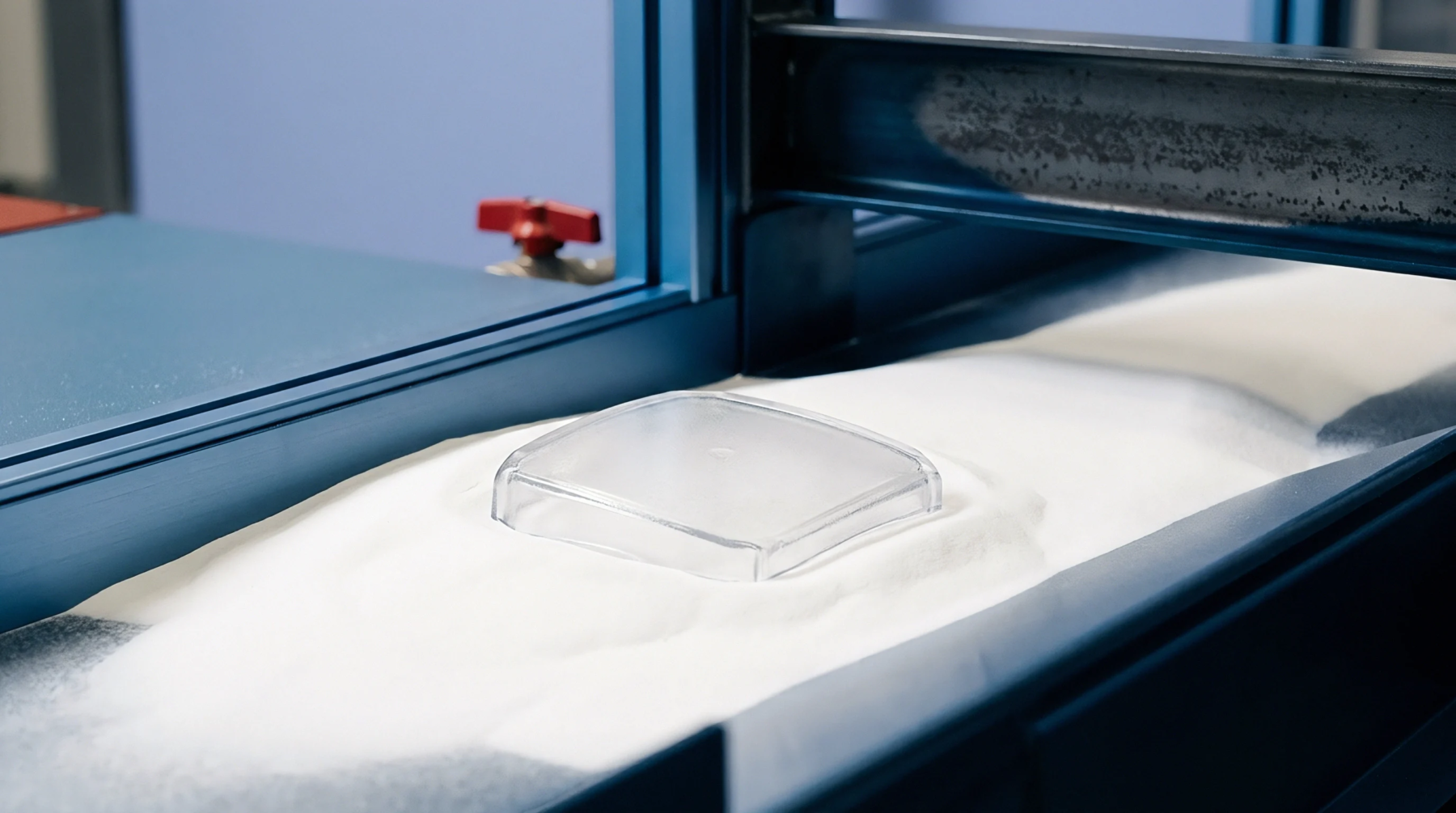
Quantifying printing ink residues in post-consumer polymers demands gas chromatography mass spectrometry to verify specific migration limits below ten parts per billion.

Testing recycled polyolefins for photoinitiator migration requires solvent extraction screening and GC-MS/MS verification against target migration limits.

True chemical recycling yields drop to 17% under proportional mass balance rules, demanding continuous batch audit trails from waste bale to resin credit.

Masterbatch additions introduce unlisted degradation products and carrier oligomers that migrate above European regulatory limits if thermal stress is unmanaged.

Polyolefin saturated hydrocarbons in HDPE film mimic mineral oils, requiring two-dimensional GC to separate native oligomers and confirm migration limits.

Representative core sampling and thermal screening prevent off-spec polyethylene import seizures before containers leave the border terminal.

Non-target screening of recycled polyester requires GC-MS and LC-HRAMS to detect and toxicologically clear volatile and oligomeric NIAS below 10 ug/kg food.

Electrospray ionization response factor variance spans up to four orders of magnitude, requiring structural descriptor models to quantify non-target migrants.
Deriving mass spectrometry screening thresholds for polyester migrants requires lowering toxicological limits by real surface-to-volume and response uncertainty factors.
Expertise is a utility, not a secret. sentiention™ publishes its working knowledge as open reference: intelligence layer covering the materials it sources, the markets it enters, and the reference that serves both.