
The Lot Loaded into the Container against the Sample Tested
Verify bulk container lots against test certificates using statistical ISO 2859-1 sampling and simulant migration screening before releasing payment.
Verify bulk container lots against test certificates using statistical ISO 2859-1 sampling and simulant migration screening before releasing payment.

Non-target mass spectrometry combined with toxicological threshold evaluation verifies that recycled plastic packaging meets mandatory food-contact safety limits.

Dual-use packaging additives demand verification against direct food additive purity and migration limits to prevent compliance failures downstream.

Deriving polyolefin hydrocarbon hump compliance requires LC-GC-FID fraction isolation and Cramer Class derivation to set verifiable limits against migration test data.

Sub-1000 Da polyolefin bioaccessibility requires preparative SEC isolation, micellar digestion extraction, GCxGC-HRMS identification, and compliance validation.

Managing recycled plastic compliance under EU waste rules requires challenge-tested decontamination, accredited migration testing, and audited traceability dossiers.

Polyolefin oligomer screening couples GC-FID envelope quantitation with diffusion modeling to clear POSH fractions against the 1.8 mg/kg food threshold.

Mandatory upstream disclosure of dual-use additive identities and migration potential enables downstream food packers to verify total food additive compliance.

End of waste validation for secondary polyolefin compounding requires batch migration testing and accredited technical dossiers to convert scrap into compliant resin.

Verifying food contact compliance for polymer granulates connects batch migration test data to resin chemistry, valid declarations, and specific end-use limits.

Quantifying trace migrant compliance in post-consumer resins requires modeling sampling heterogeneity and analytical variance to establish guardbanded decision rules.

Clearance of imported food packaging requires matching exact batch lot numbers across invoices, declarations of conformity, and ISO 17025 accredited migration test reports.
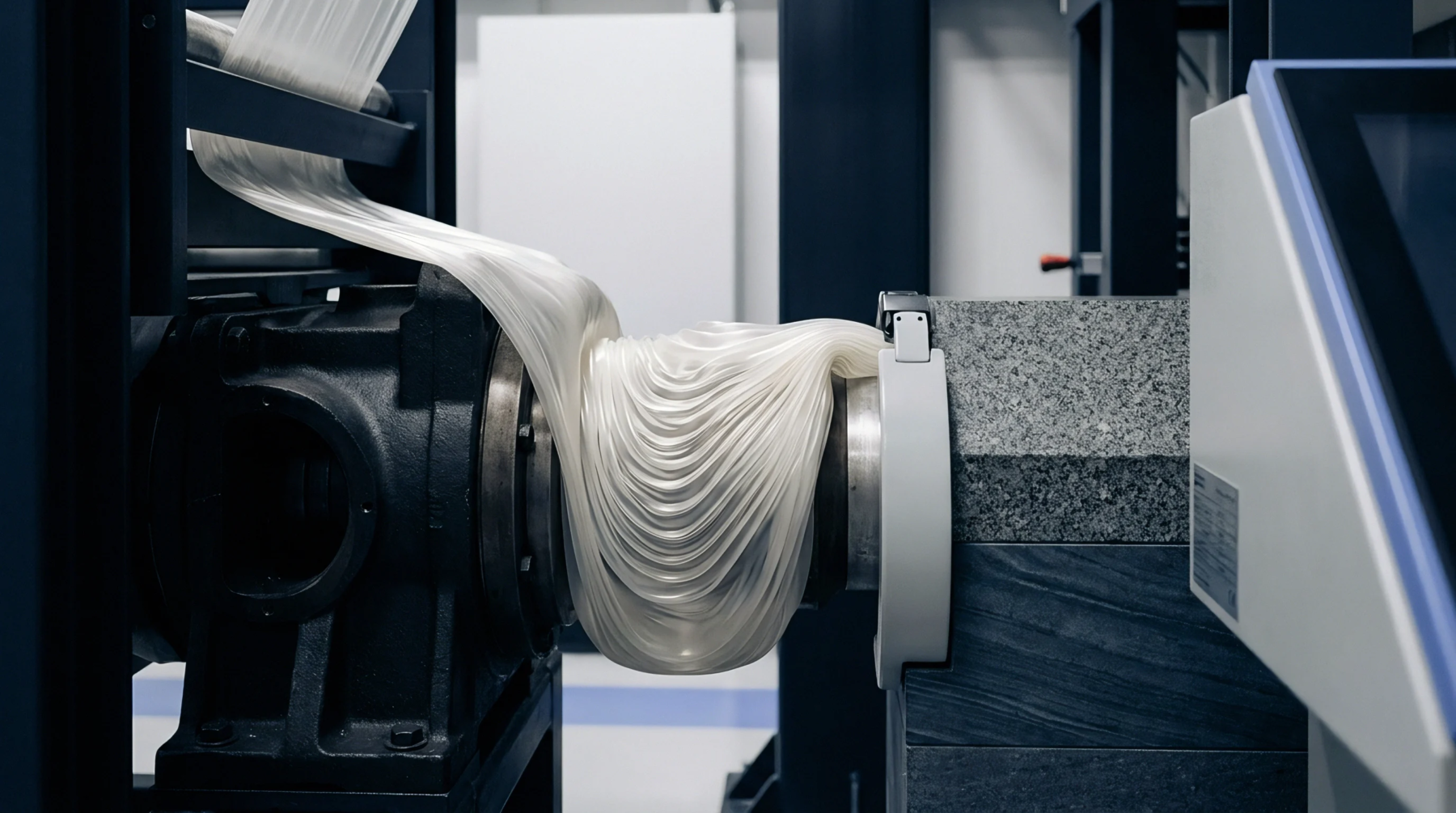
A migration number without its simulant and temperature is invalid; exposure medium and thermal regime dictate diffusion and verify regulatory compliance.

Non-targeted GC-QTOF and LC-Orbitrap screening workflows isolate and structurally identify unknown migrants in recycled plastics to ensure food contact regulatory compliance.

Standardized food simulant selection for polyolefins depends on food solubility, polymer swelling factors, and mandatory thermal contact windows.

Recycled plastic food contact compliance requires rigorous surrogate challenge testing, non-target NIAS screening, and lot-traced migration verification.

Validating food contact safety in bulk packaging relies on matching simulant test parameters to geometry and auditing chemical declarations for every additive.

Polyolefin migration compliance requires selecting food simulants based on polarity and fat content while accounting for matrix swelling and thermal limits.

Selecting substitute simulants for recycled polyolefin fatty food verification requires matching swelling kinetics to prevent over-extraction while satisfying EN 1186 rules.

Non-Fickian swelling in post-consumer polyolefins accelerates NIAS release under fatty simulant contact, requiring substitute extraction verification.
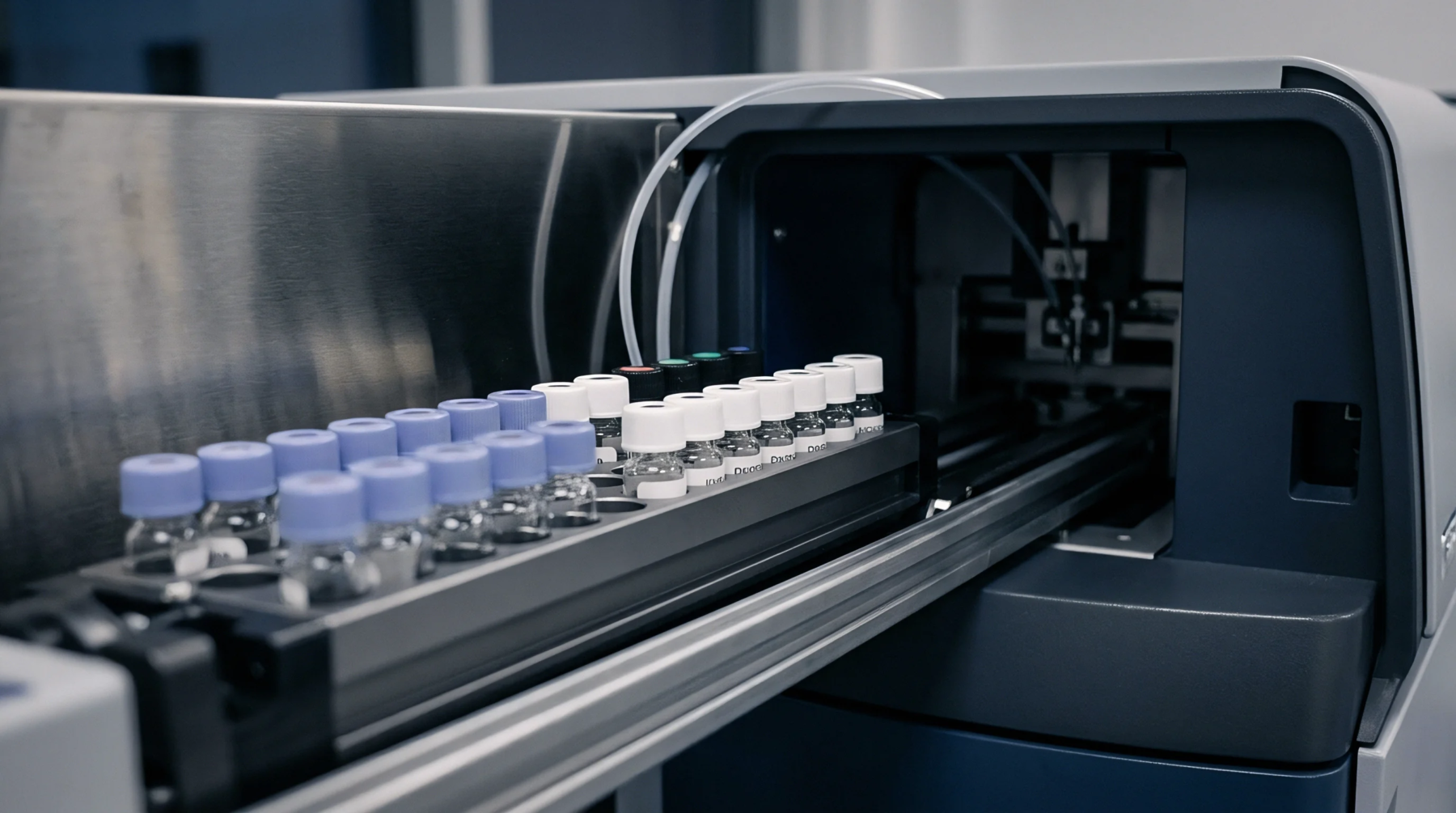
Dynamic matrix correction recalibrates uncharacterized polyolefin migrant peak areas against co-extracted simulant lipids to prevent underreporting migration limits.

Polyolefin migration compliance requires batch-specific testing for low molecular weight hydrocarbons using accredited simulants, exact temperatures, and GC-MS.

Non-intentionally added substance quantification requires high-resolution mass spectrometry screening paired with toxicological threshold evaluation for safe compliance.

Verify laminate declarations by checking finished layer chemistry, primary aromatic amine cure completion, and simulant test parameters against batch lots.

Surrogate response factors vary by four orders of magnitude in electrospray screening, requiring conservative statistical multipliers for valid risk decisions.

Trace post-consumer recycled fractions in multi-layer packaging require physical layer microtomy before pyrolysis GC-MS to verify claims below five percent.

Mass spectrometry screening quantifies non-intentionally added polyolefin migrants, converting raw chemical spectra into defensible food contact compliance dossiers.

Unidentified migrants in post-consumer resins require derivation against Cramer Class III (90 µg/day) or genotoxic thresholds (0.15 µg/day) for compliance.

Multicavity tooling induces thermal and shear gradients that skew dual-use additive blooming, demanding cavity-discrete migration testing for compliance.

Emulsion structure suppresses fat-contact migration, rendering neat oil simulants excessively aggressive and alcoholic simulants unreliably unconservative.
Expertise is a utility, not a secret. sentiention™ publishes its working knowledge as open reference: intelligence layer covering the materials it sources, the markets it enters, and the reference that serves both.