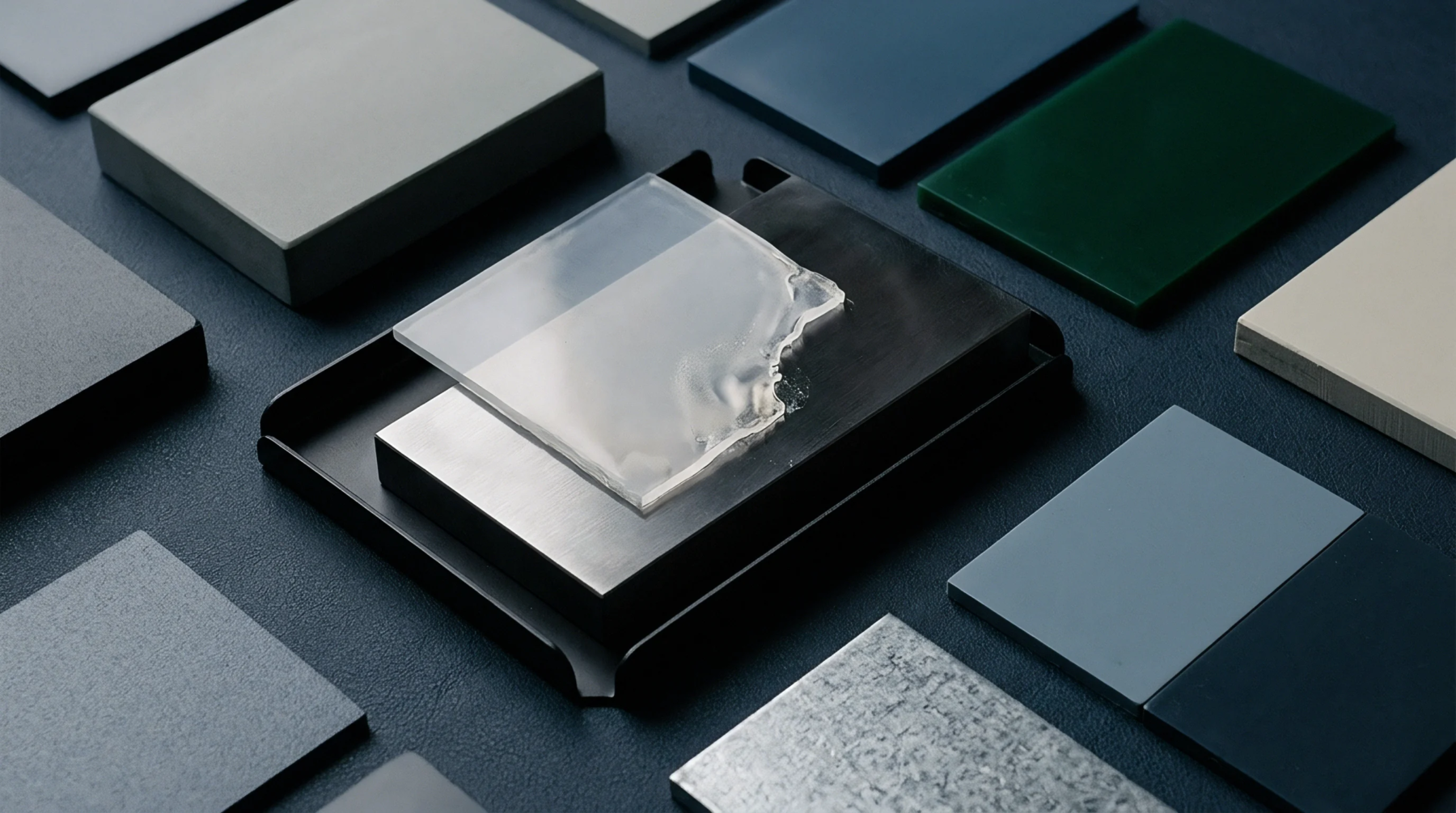
Tool Steel Waveguide Channel Micro-Machining Surface Topography Optimization
Optimizing tool steel grain homogeny and micro-milling shear kinematics yields sub-100nm Sa channel surfaces, preventing mmWave signal attenuation.
Optimizing tool steel grain homogeny and micro-milling shear kinematics yields sub-100nm Sa channel surfaces, preventing mmWave signal attenuation.
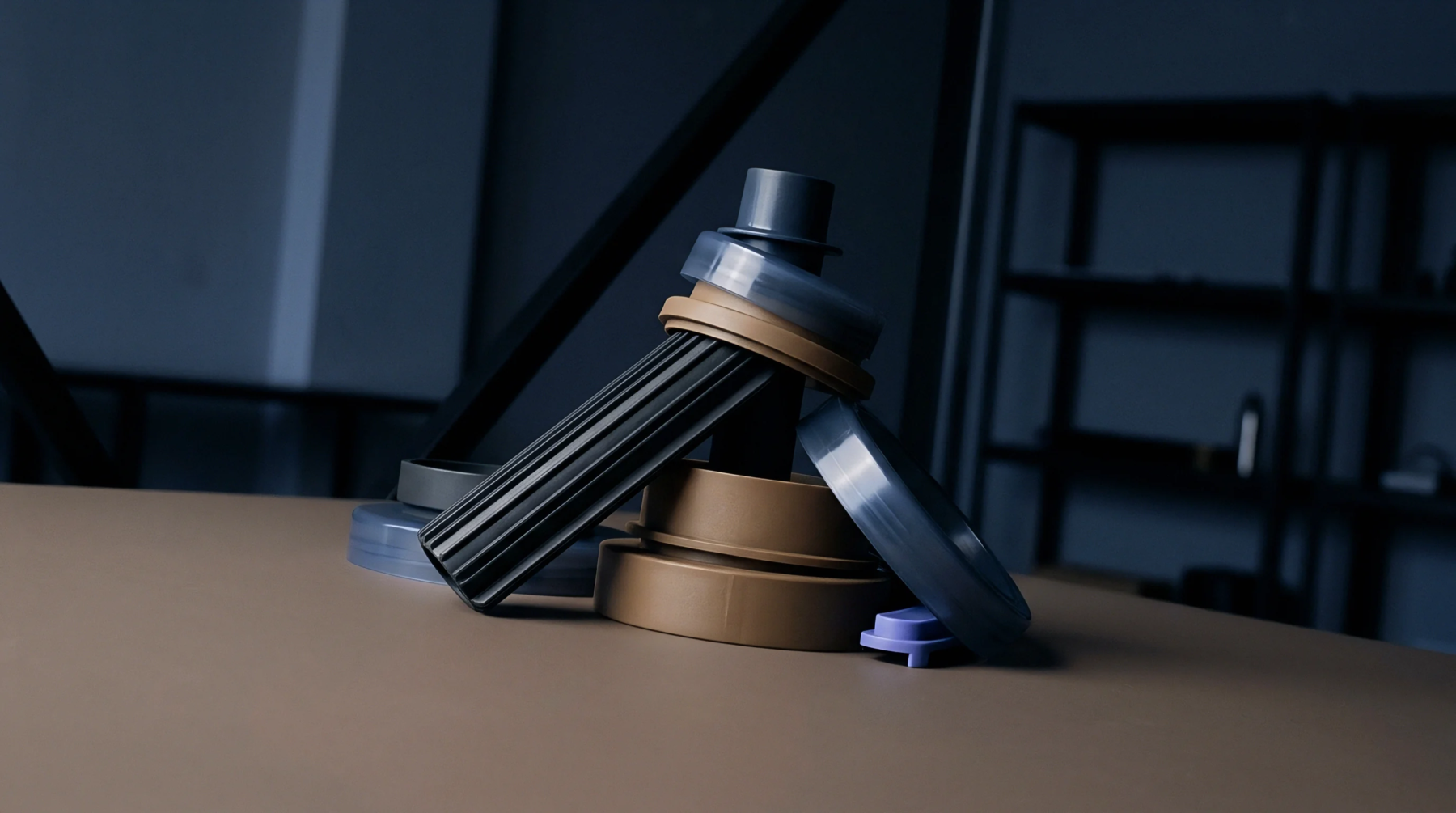
Calibrated silicone replicas combined with optical profilometry yield sub-micron tool cavity topography metrics without destructive sectioning.

Micro-mould profilometry spatial calibration requires instrument transfer function verification using chirp gratings to define spatial frequency limits in deep cavity features.
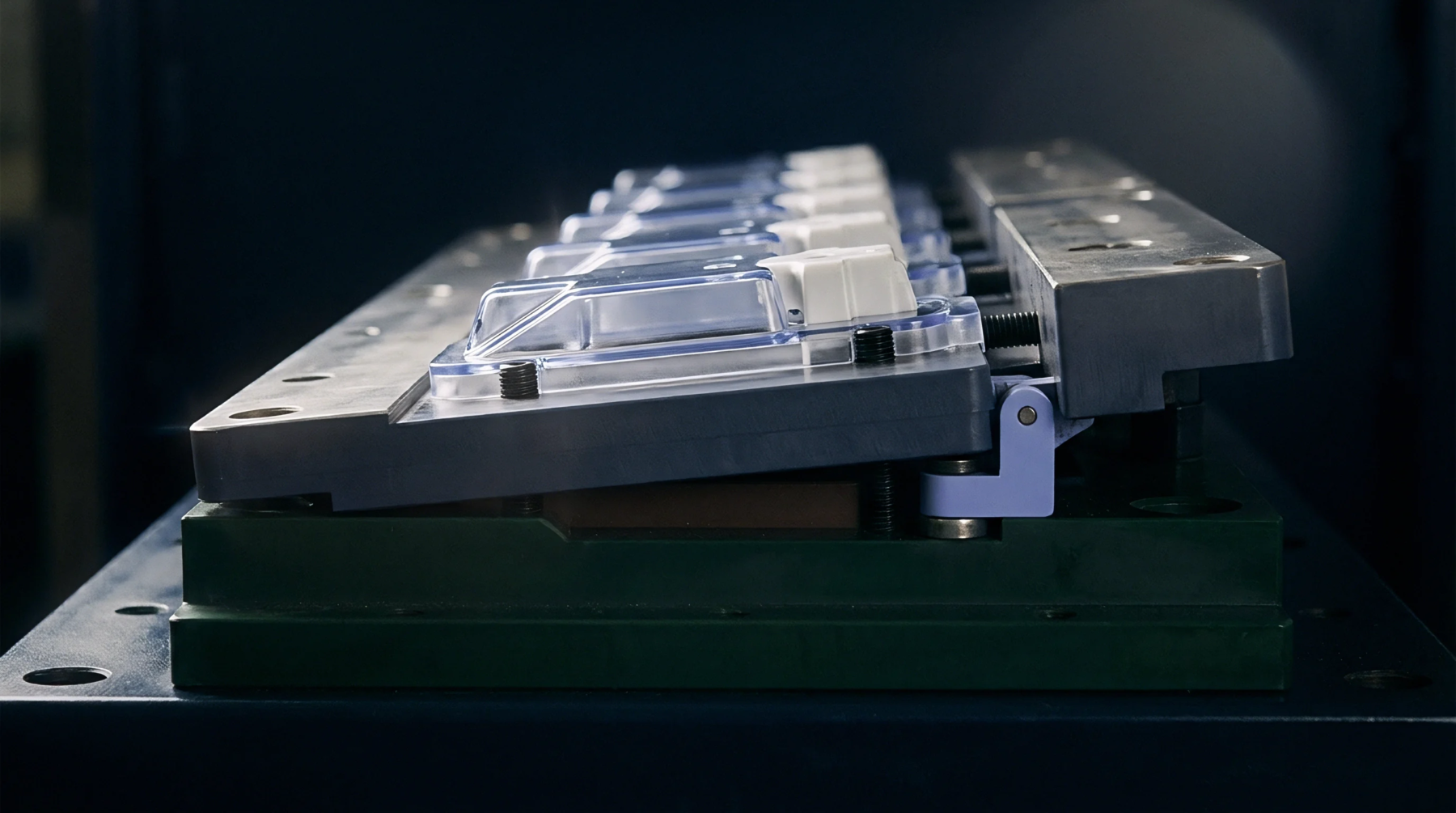
Optical profilometry non-destructively maps 3D tool cavity topography (Sa, Sz) to verify polished steel finishes and predict injection part ejection forces.
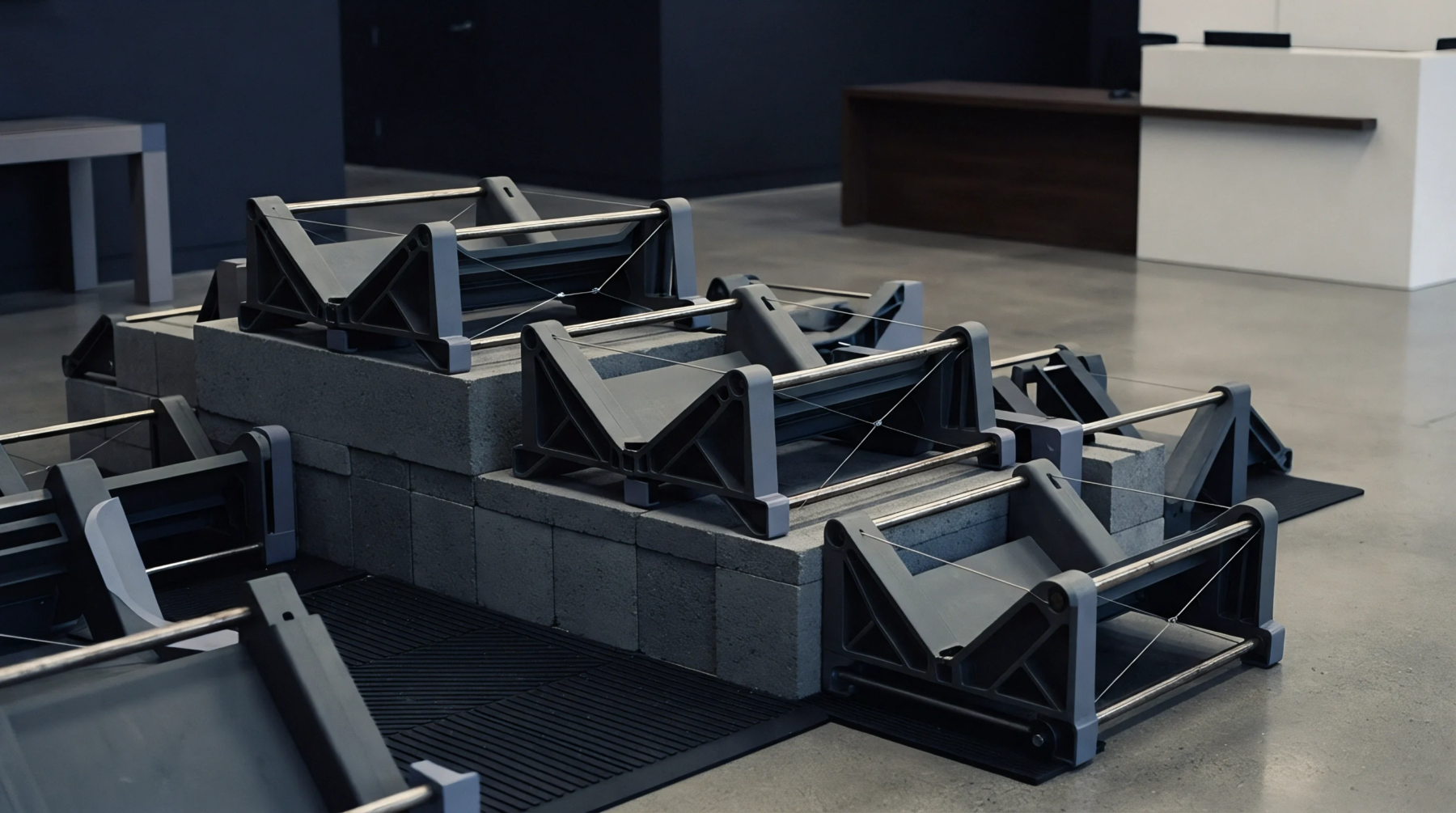
Sub-micron replication requires peak cavity pressures above 180 MPa paired with dynamic mold heating exceeding polymer Tg before melt arrival.

Volumetric areal parameters predict gate wear before profile roughness detects steel loss, preventing tool failure in glass-filled polymer injection molding.
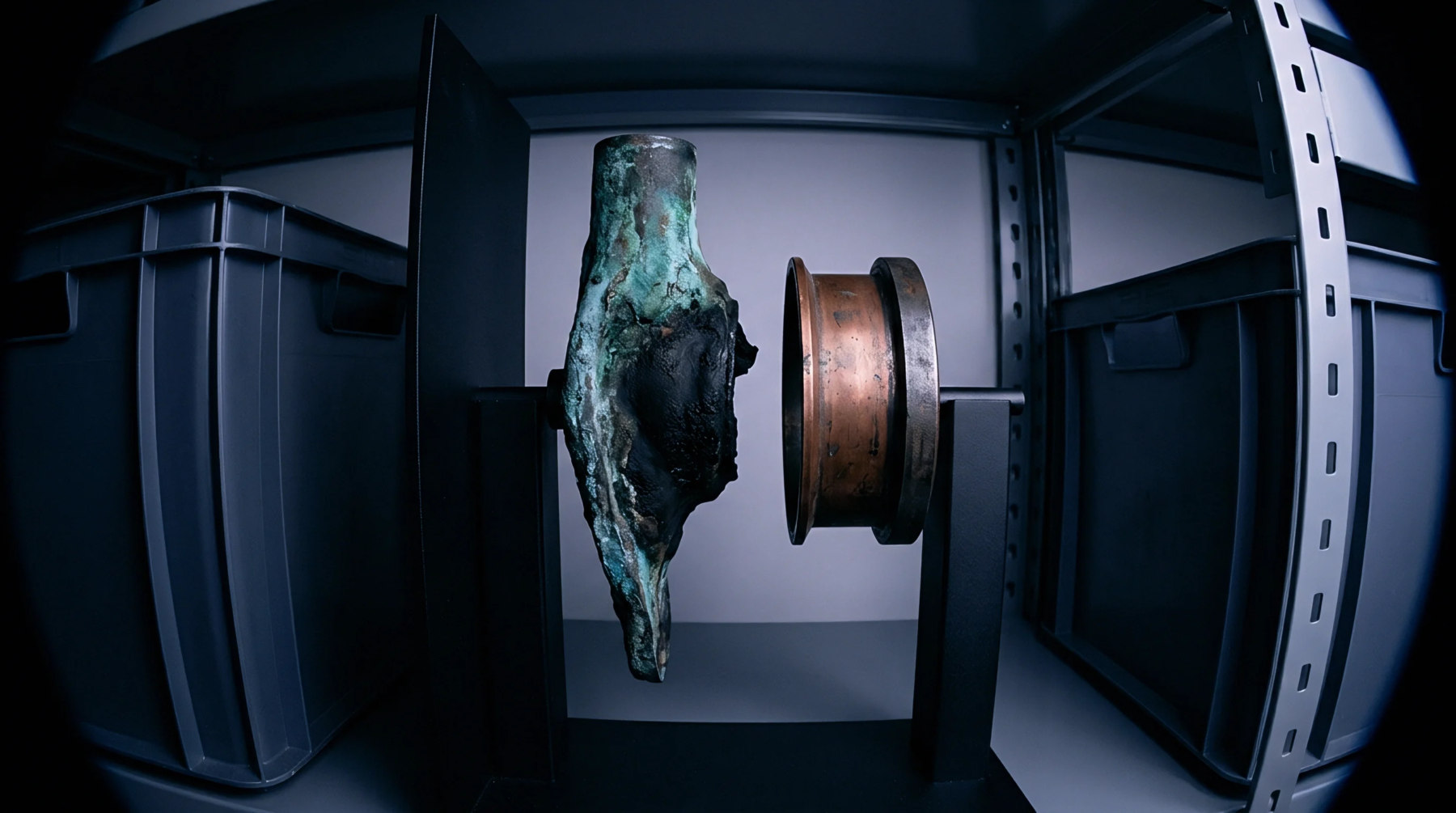
Shutoff micro hobbing occurs when localized lockup stress exceeds tool steel compressive yield strength, requiring controlled land area and high yield alloys.
Optimize wall transitions and gate freeze timing to control volumetric shrinkage, preventing skin collapse over thick thermal cores in non-uniform thermoplastic parts.
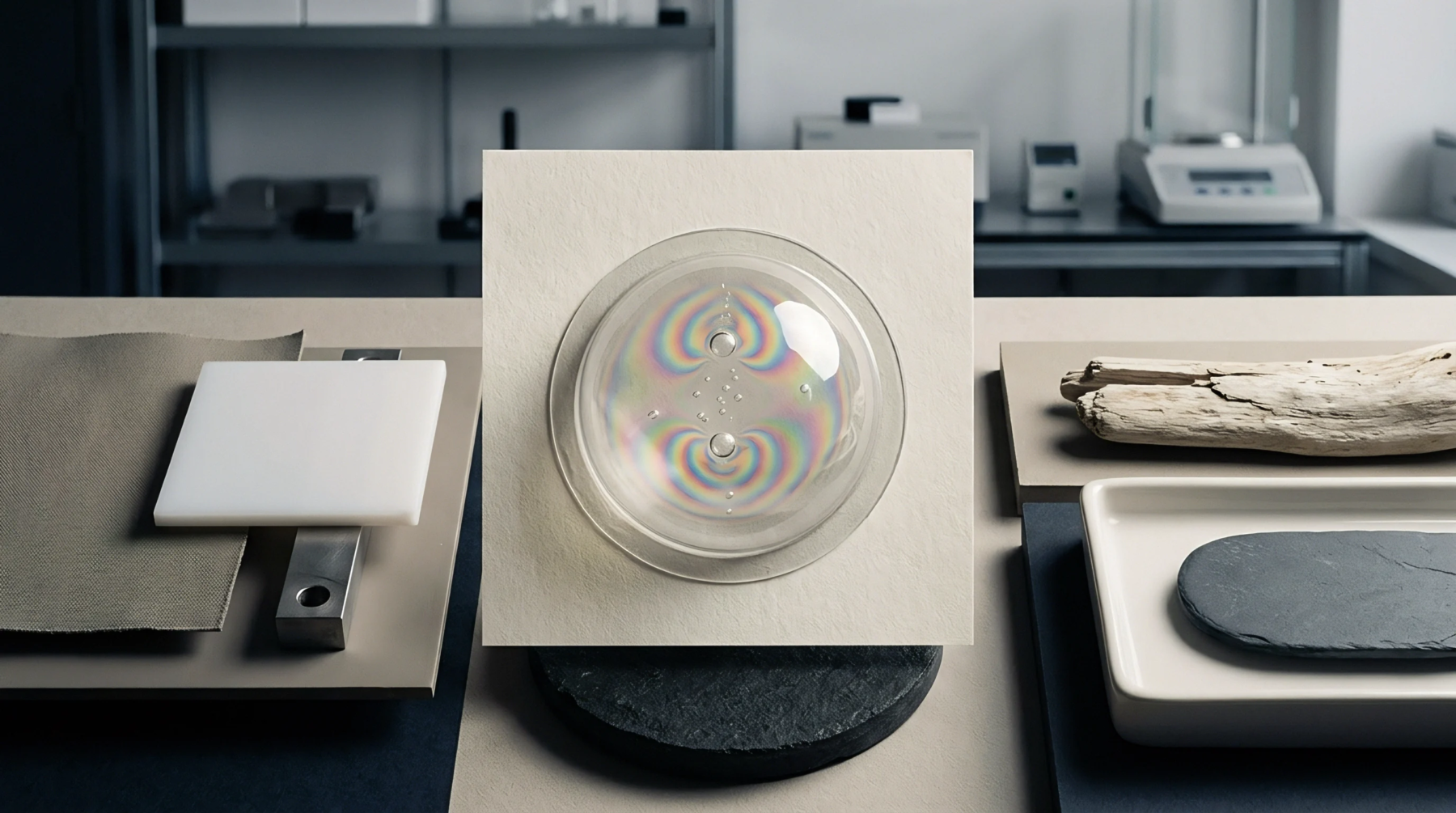
Verify hardened steel tool cavity topography using ISO 25178 areal parameters and filtered coherence scanning interferometry to guarantee polymer part release.

ISO 25178 areal optical profilometry replaces subjective 2D stylus traces with quantitative 3D parameters that accurately govern tool wear and part demoulding.
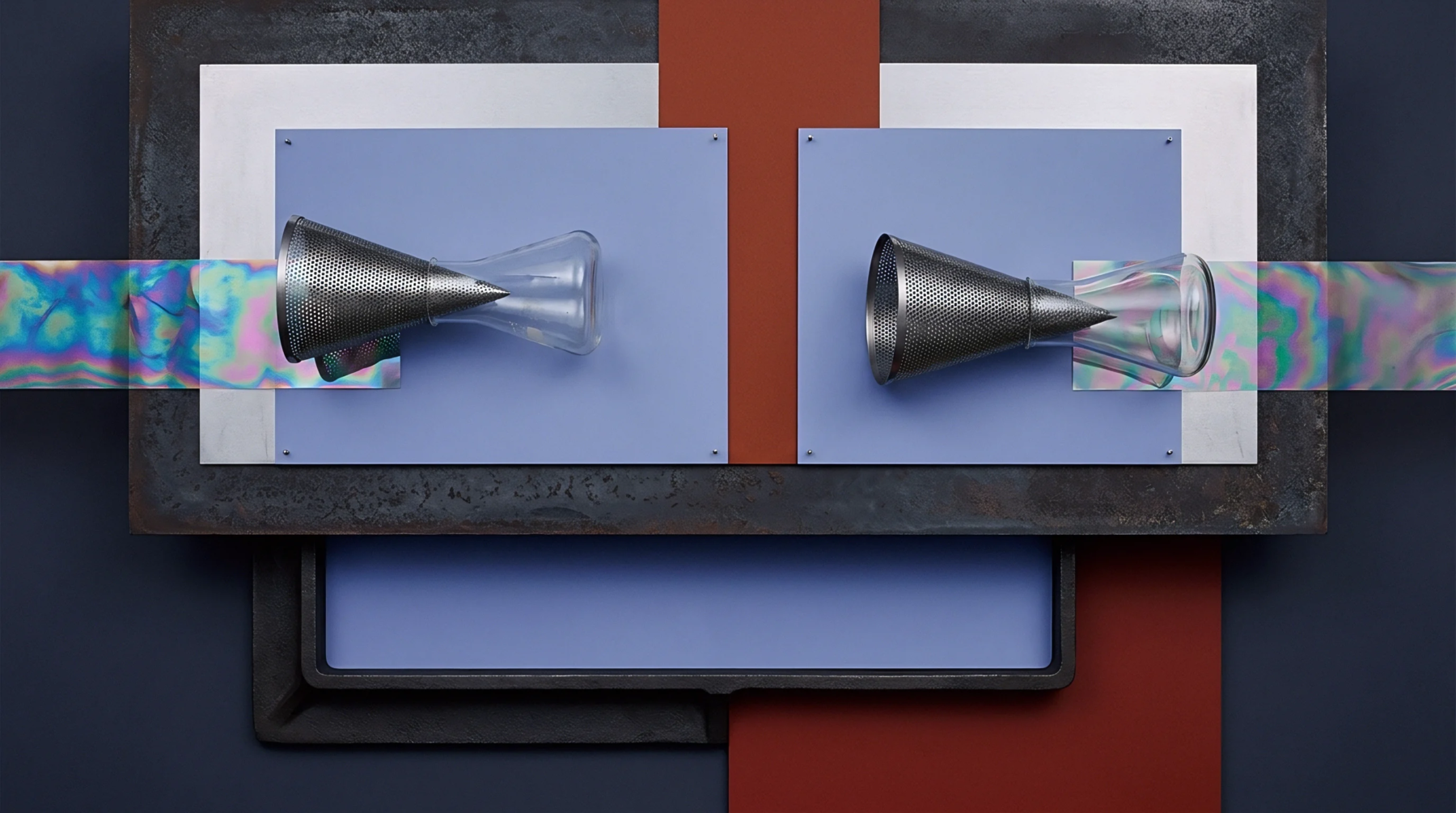
ISO 25178 areal parameters like Ssk, Sku, and Vvc measured via optical profilometry quantify cavity wear, predicting ejection failures before part dimensions drift.
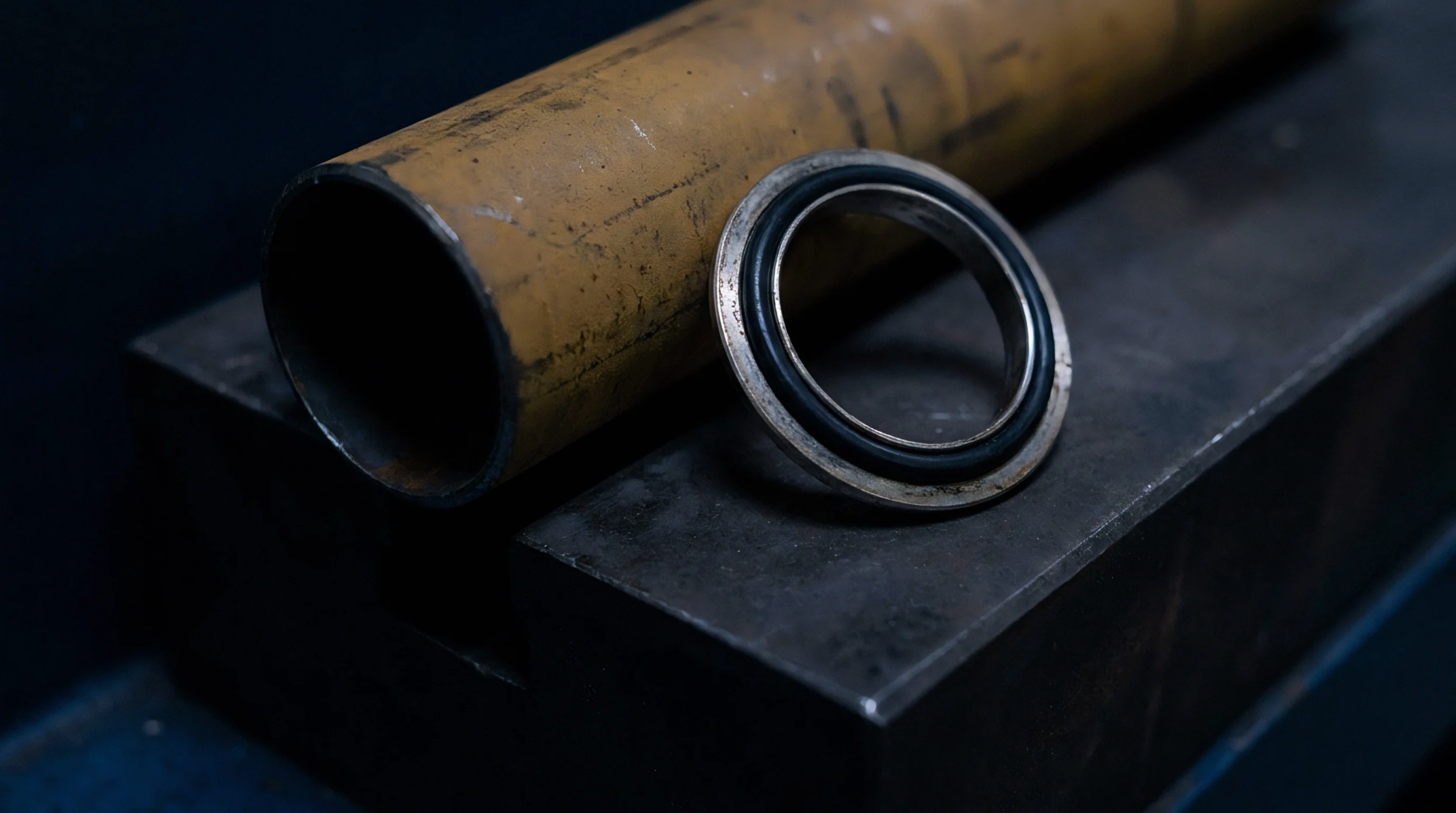
Optical profilometry replaces qualitative blueing paste with three-dimensional volume loss metrics, enabling precise mold wear tracking and flash prevention.
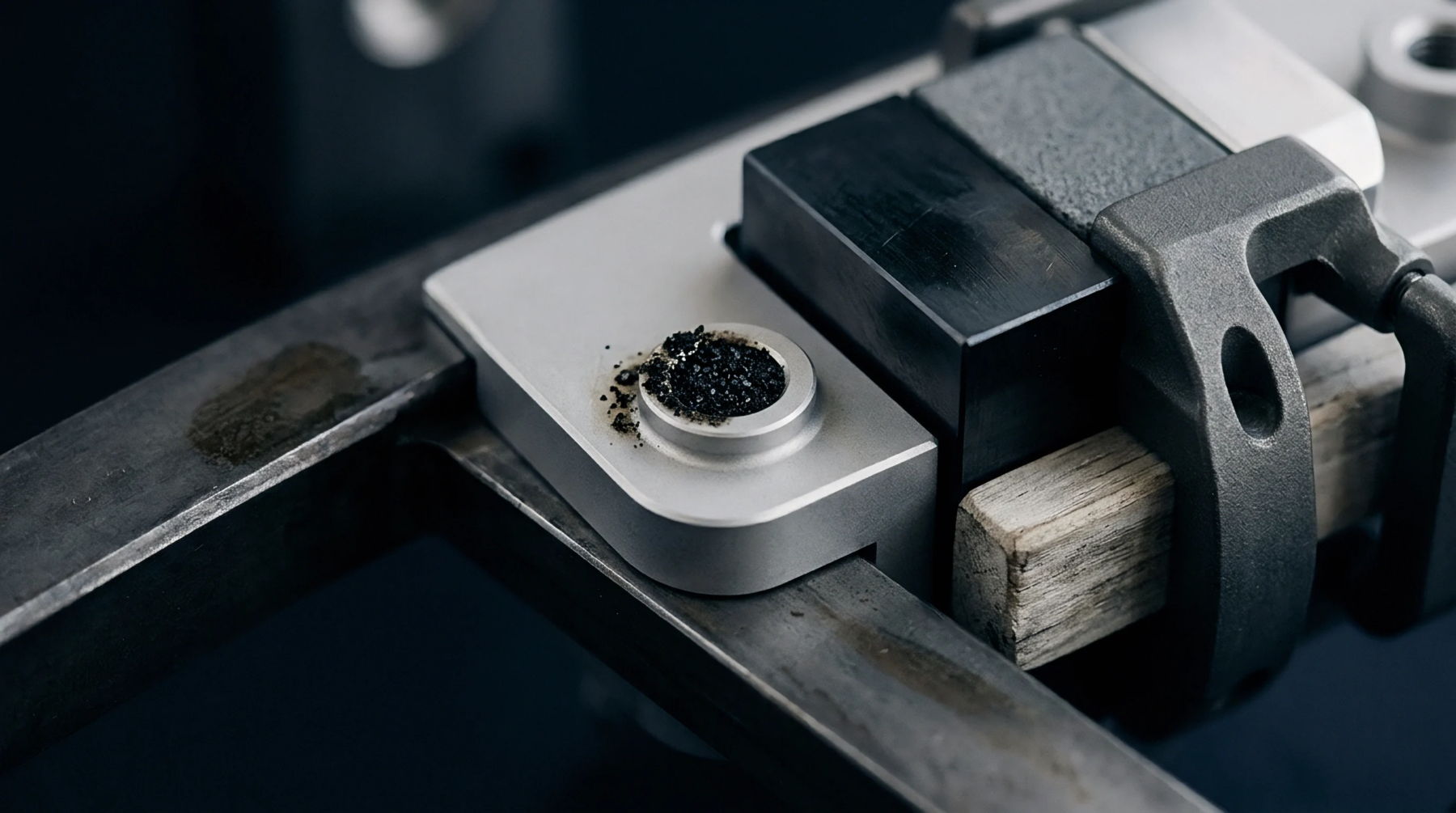
Inspect parting line wear using optical blueing and depth micrometer checks to catch shutoff hobbing before flash exceeds 0.03 mm.
Expertise is a utility, not a secret. sentiention™ publishes its working knowledge as open reference: intelligence layer covering the materials it sources, the markets it enters, and the reference that serves both.