Polyhydroxyalkanoate Thermal Degradation Mechanisms and Processing Windows
Processing polyhydroxyalkanoates within a narrow 10 C window prevents severe thermal degradation caused by random intramolecular cis-elimination reactions.
Processing polyhydroxyalkanoates within a narrow 10 C window prevents severe thermal degradation caused by random intramolecular cis-elimination reactions.

Direct vacuum extrusion eliminates desiccant energy costs but demands precise stoichiometric control to prevent melt gelation during reactive extension.
Carboxyl end group titration predicts rPET intrinsic viscosity loss during extrusion because acid protons autocatalyze ester hydrolytic scission.

Controlling rPET compounding moisture below 50 ppm prevents hydrolytic chain scission, preserving intrinsic viscosity and mechanical performance in final parts.
Caloric adsorption testing quantifies residual resin moisture to prevent hydrolytic chain scission and maintain intrinsic viscosity target during PET melt processing.
Dew point drift diagnostics require systematic temperature differential mapping, sensor cross-verification, and valve seal isolation to prevent hydrolytic resin degradation.
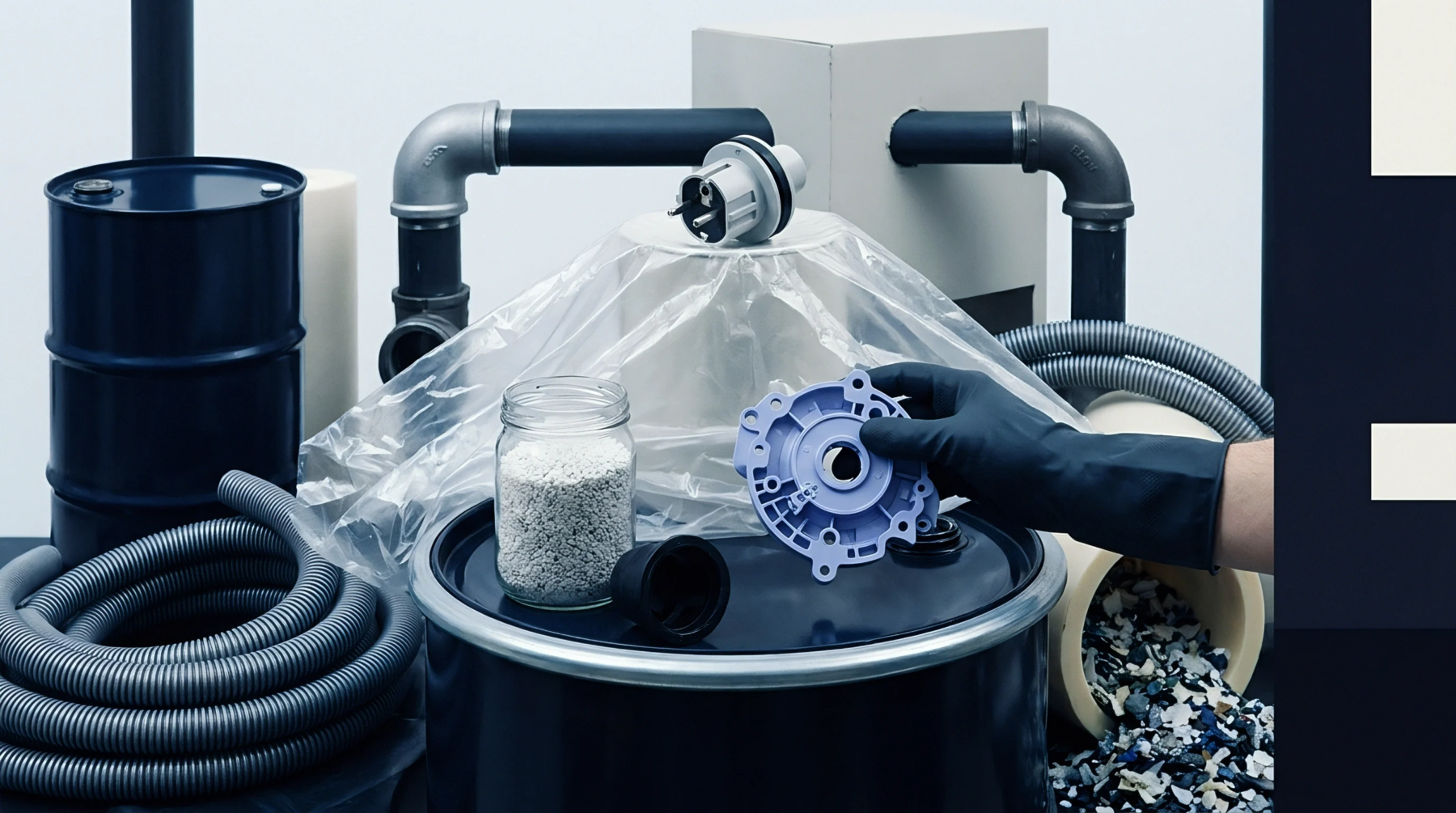
Establishing rPET intrinsic viscosity limits requires matching solvent test standards to conversion thresholds, drying flake under 50 ppm, and capping lot spread.
Maintain specific airflow between 1.8 and 3.8 m³/h per kg/h to guarantee core thermal penetration without exceeding the bed fluidization velocity threshold.
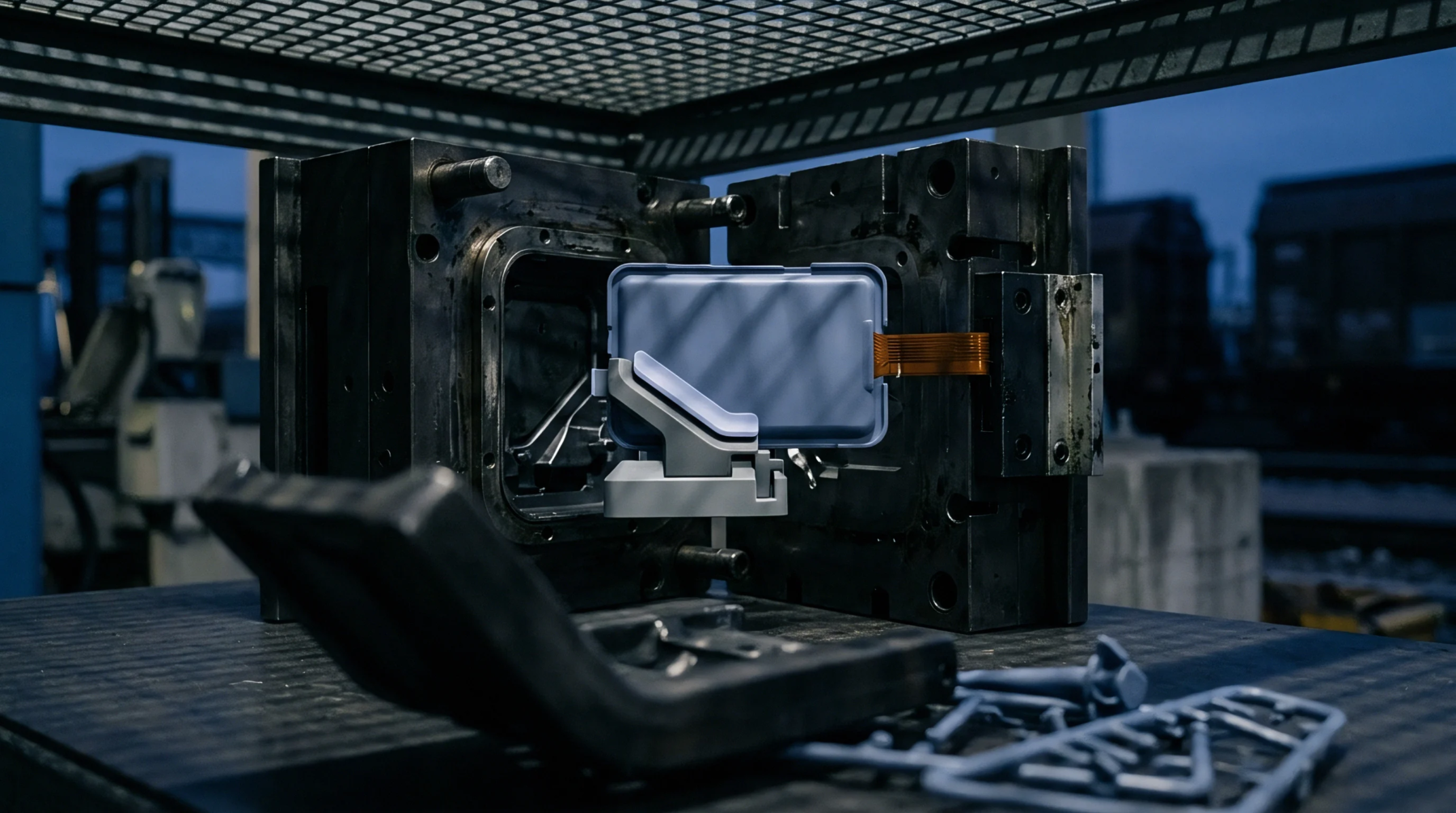
Establishing melt flow specification windows for recycled polyolefins requires matching shear-rate viscosity to mold filling limits while contracting tight lot tolerances.

High carboxyl content in degraded rPET slows solid-state intrinsic viscosity building by restricting byproduct diffusion and altering end-group stoichiometry.
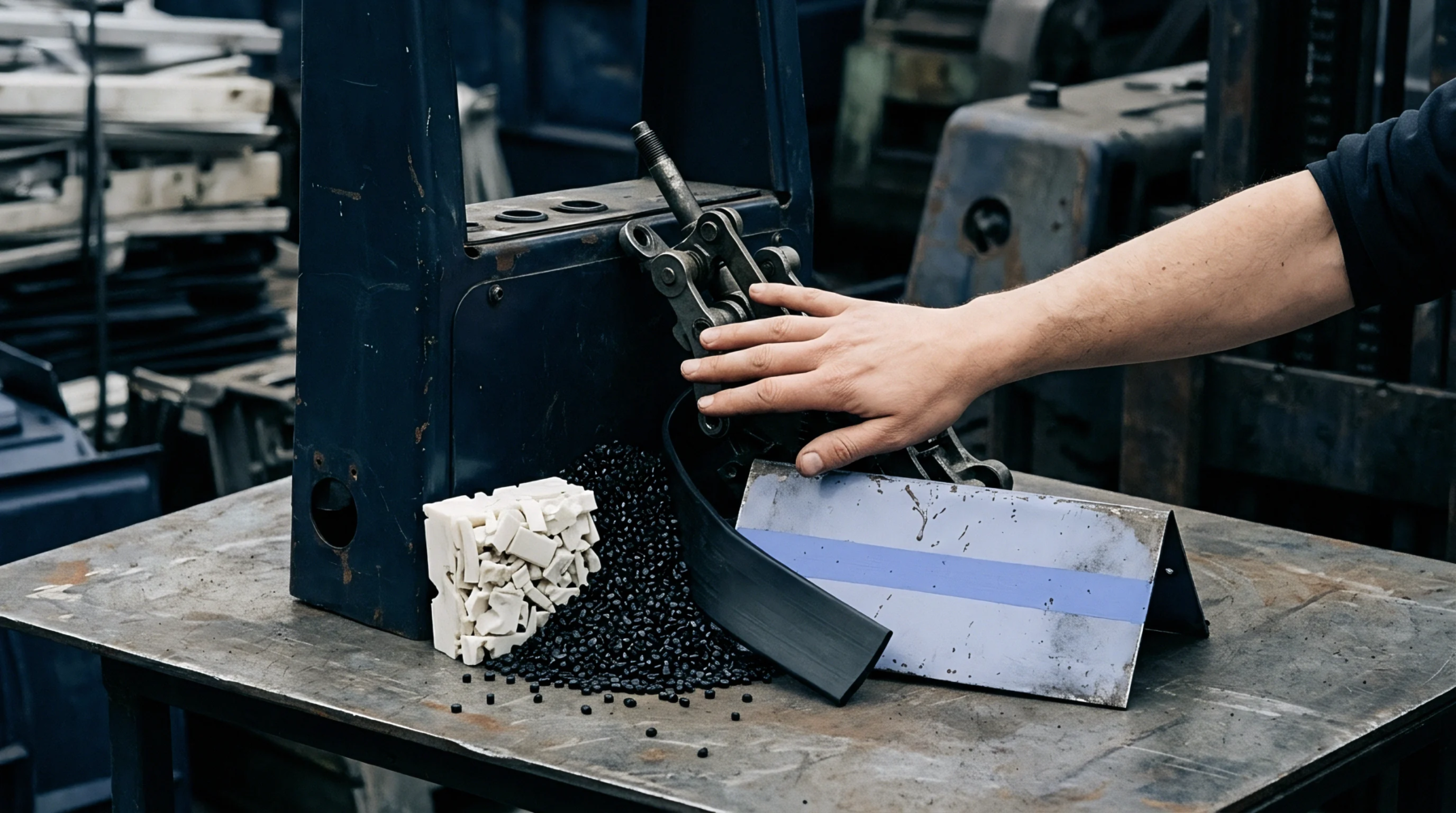
Match nitrogen sweep velocities to pellet diffusion distance while keeping reactor temperature below 215 degrees Celsius to optimize solid state polymerization.
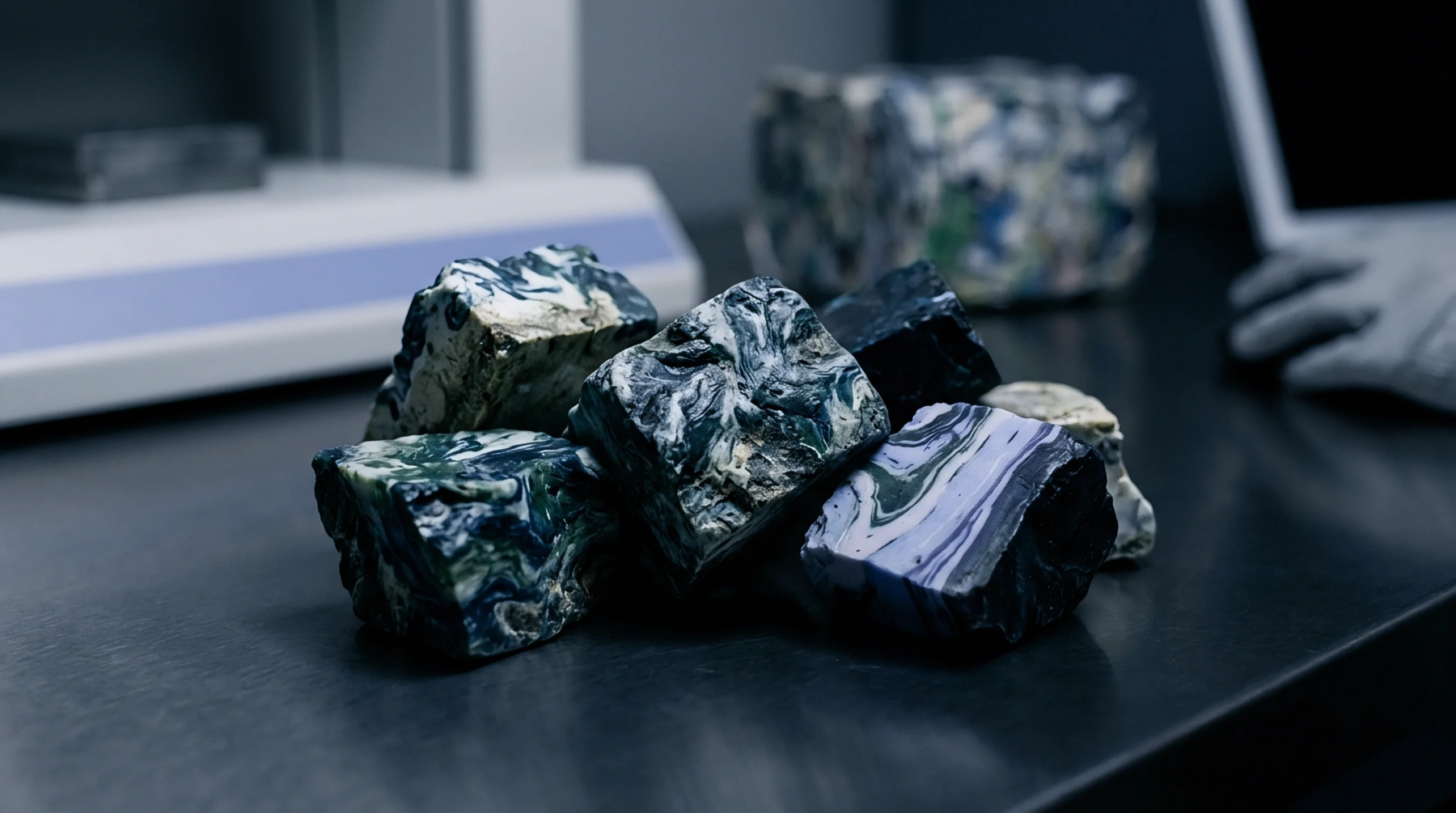
Hydrolytic scission in post-consumer PET flakes occurs when melt moisture exceeds 50 ppm, driving ester cleavage and lowering intrinsic viscosity.
Expertise is a utility, not a secret. sentiention™ publishes its working knowledge as open reference: intelligence layer covering the materials it sources, the markets it enters, and the reference that serves both.