
Tool Surface Roughness Effects on Molded Part Dimensions
Tool surface roughness alters part dimensions by creating profile offsets, changing ejection drag forces, and increasing interfacial thermal contact resistance.
Tool surface roughness alters part dimensions by creating profile offsets, changing ejection drag forces, and increasing interfacial thermal contact resistance.
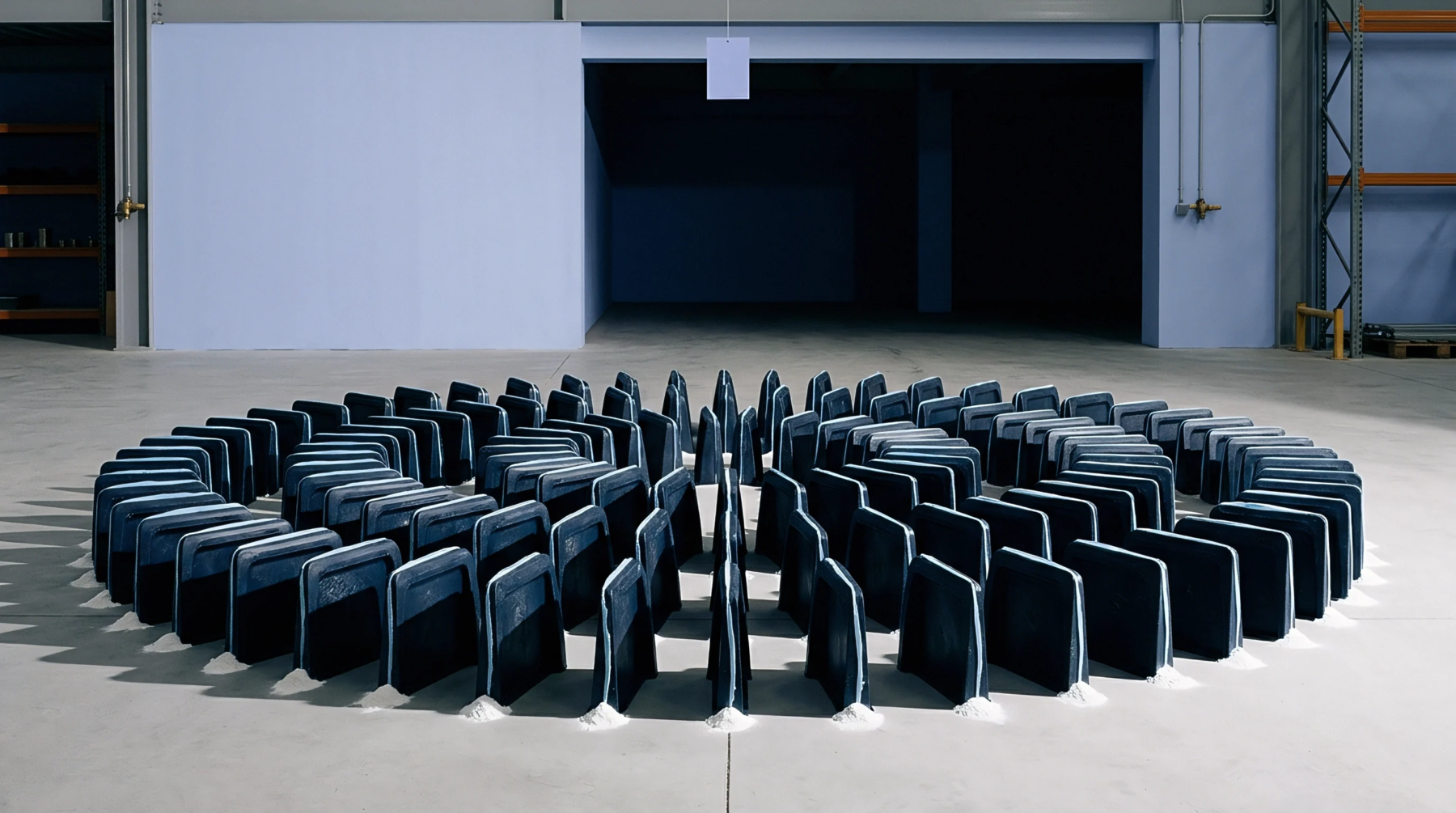
Interfacial air entrapment slashes local heat flux by eighty percent, triggering localized spherulitic expansion that drives severe dimensional warpage.

Melt flow length scales with cavity thickness raised to the third power while cycle time increases quadratically, forcing tight nominal wall control.
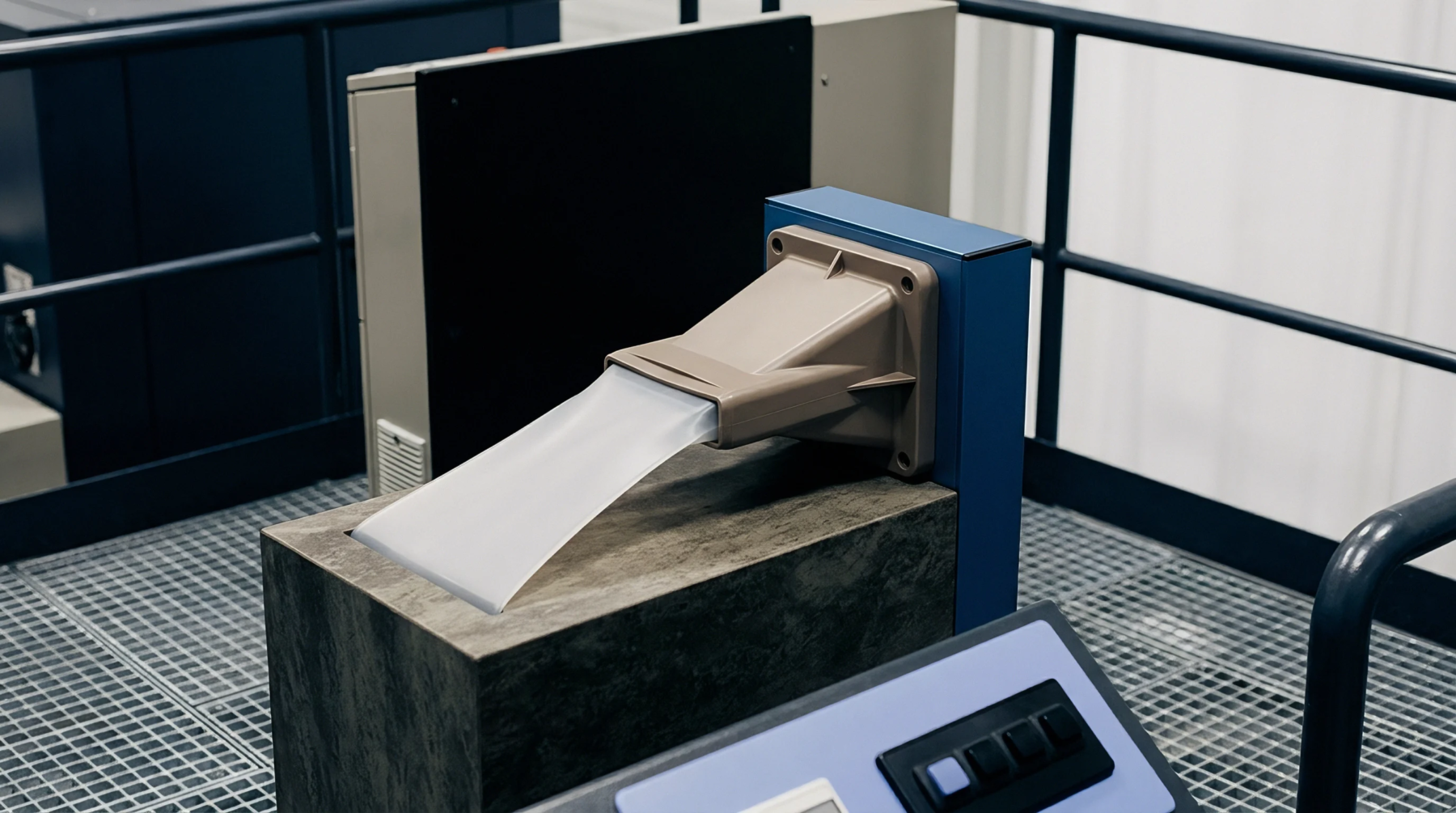
Restrained state fixtures simulate final assembly fasteners with calibrated clamps on datum targets to measure flexible plastic profiles accurately.
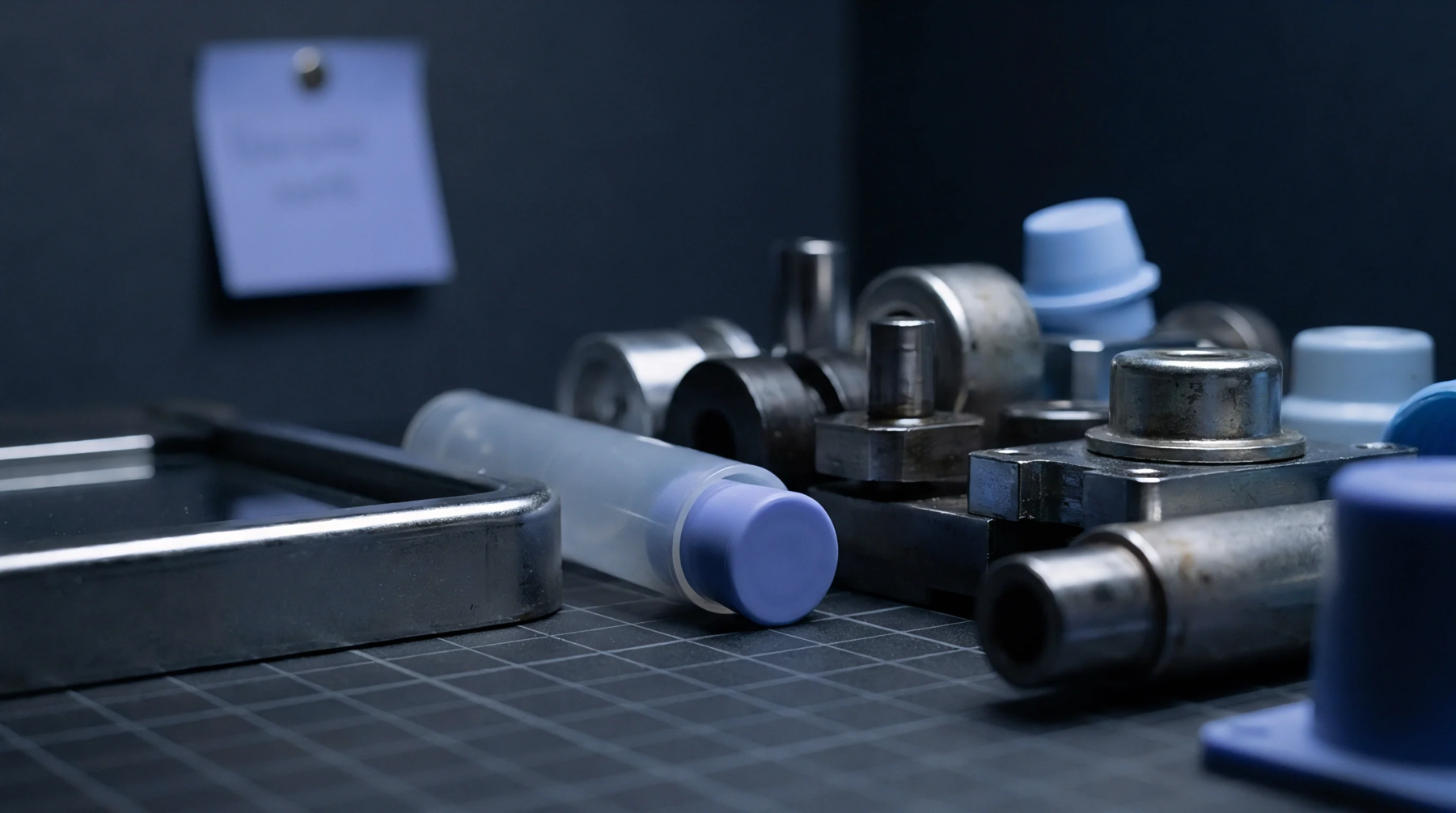
Decoupled molding isolates fill velocity from hold pressure to neutralize resin viscosity variations and hold precision tolerances across volume runs.

Increasing peak cavity pressure compresses polyamide melt during solidification, directly counteracting phase-change volumetric shrinkage and tightening component tolerances.
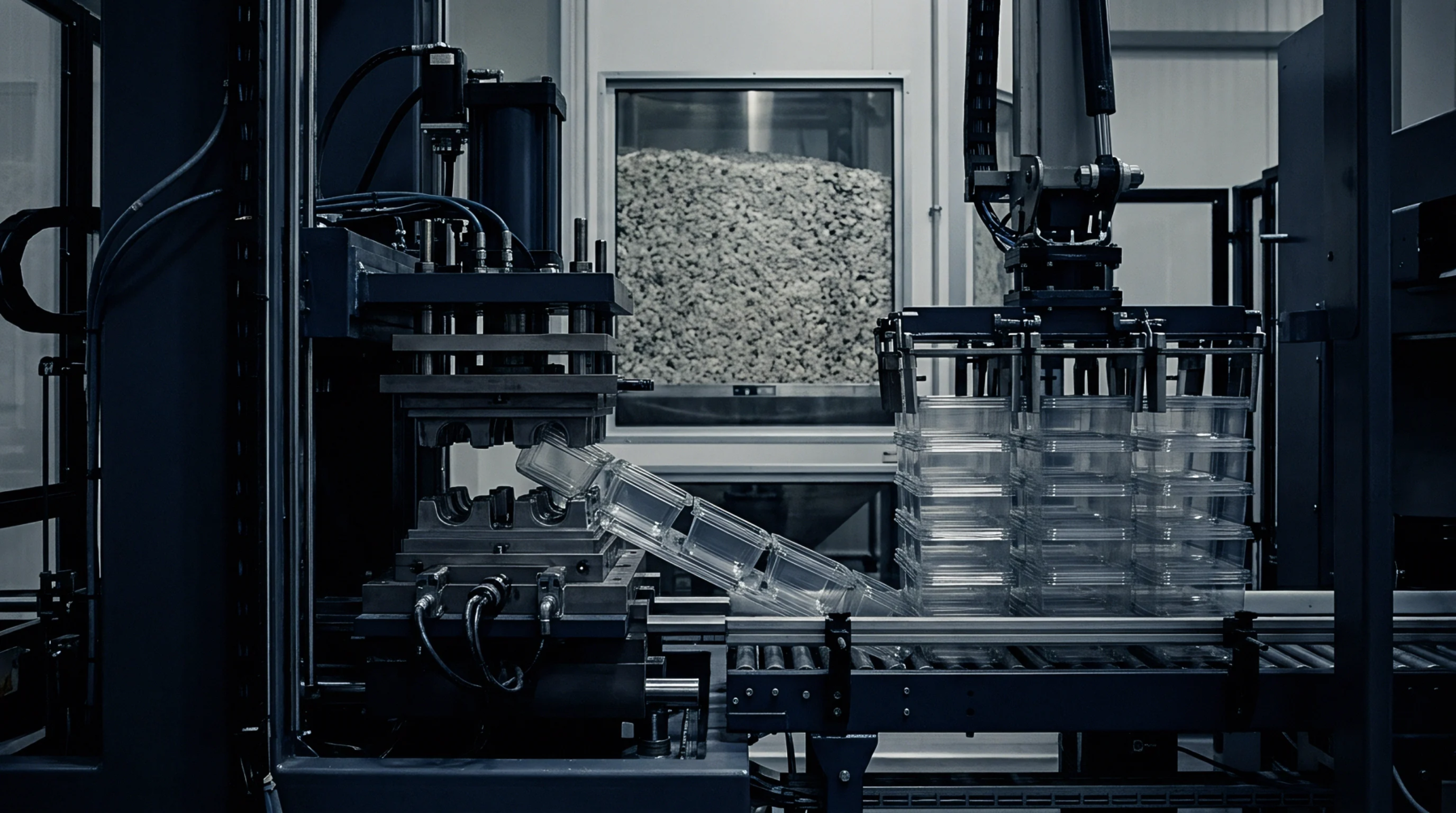
Thermoforming delivers lower total landed cost below fifteen thousand units by saving upfront tooling capital, beyond which injection piece price efficiency dominates.
Expertise is a utility, not a secret. sentiention™ publishes its working knowledge as open reference: intelligence layer covering the materials it sources, the markets it enters, and the reference that serves both.