
Analytical Techniques for Non Intentionally Added Substances in Recycled Plastics
Non-target HRMS screening combined with toxicological threshold evaluation provides the empirical basis for verifying recycled plastic safety before market entry.
Non-target HRMS screening combined with toxicological threshold evaluation provides the empirical basis for verifying recycled plastic safety before market entry.

Base polymer declarations certify monomer purity at the reactor gate but omit all converter additives, breakdown products, and finished article migration limits.

Solid-state transesterification generates parasitic water during thermal extraction; dynamic baseline deconvolution prevents false moisture rejections.

Unidentified migrants in food-contact PET above 10 ppb require structural elucidation, Cramer classification, or mutagenicity testing to establish safety.

Machine learning models correct electrospray response factors for polymeric migrants, preventing gross underestimation of NIAS concentrations in food contact compliance filings.

Deriving valid PET non-target screening thresholds requires adjusting the 10 ppb toxicological limit by an empirical mass spectrometry response uncertainty factor.

Comprehensive multi-dimensional chromatography quantifies non-target polyethylene migrants down to ten parts per billion to secure food contact declarations.

Analytical verification of NIAS in multi-layer barrier films requires high-resolution mass spectrometry screening backed by toxicological threshold classification.

Auditing converter food contact declarations requires cross-referencing batch test reports, simulant conditions, dual-use additives, and NIAS screening data.

Automated deconvolution masks co-eluting NIAS below 10 ppb, making raw ion alignment mandatory before signing food contact migration compliance declarations.

Non-intentionally added substance quantification requires high-resolution mass spectrometry screening paired with toxicological threshold evaluation for safe compliance.

High-resolution screening identifies unlisted food contact migrants to clear non-intentionally added substances below ten micrograms per kilogram.

Surrogate response factors vary by four orders of magnitude in electrospray screening, requiring conservative statistical multipliers for valid risk decisions.

Mechanical recycling creates low-molecular-weight degradation products whose migration into food simulants requires batch verification and challenge-tested barriers.

Dynamic temperature spikes during thermoforming and hot-fill accelerate NIAS diffusion by thinning functional barriers and increasing polymer chain mobility.

Volatile desorption in recycled PET melt is governed by thermodynamic phase equilibria and diffusion limits, requiring deep vacuum and rapid surface renewal.

High-tension roll winding generates multi-megapascal radial stress that accelerates solid-state NIAS diffusion across polymer contacts, peaking near the core.

Accurate HRMS oligomer quantification in recycled polyolefins requires class-matched surrogate calibrants to achieve the 10 ppb food contact threshold.

Non-linear simulant swelling invalidates standard Fickian migration models at elevated temperatures, requiring direct vegetable oil testing over solvent screening.
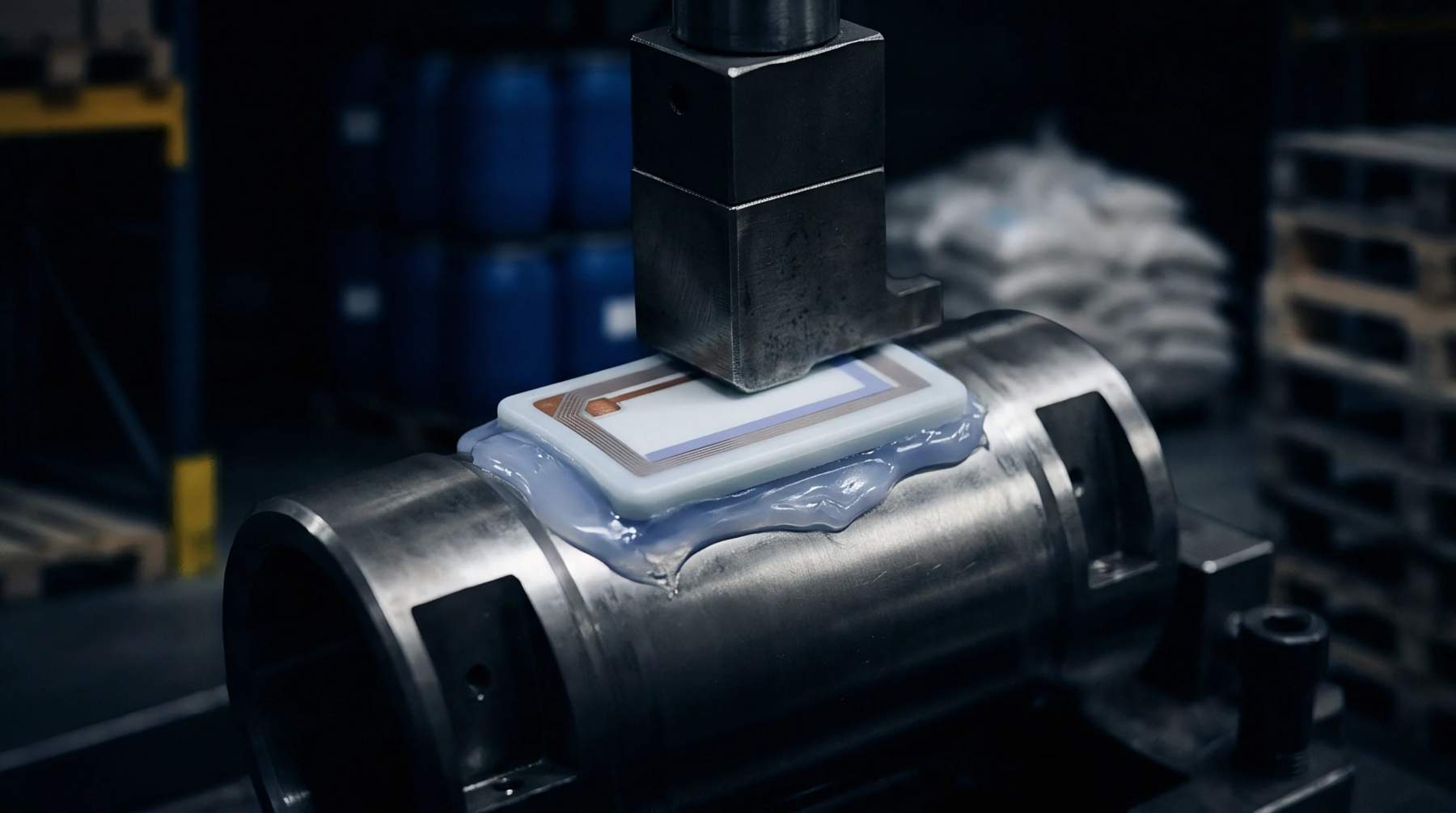
High-resolution mass spectrometry elucidates migrating cyclic adhesive oligomers in recycled laminates to verify structural safety against toxicological limits.
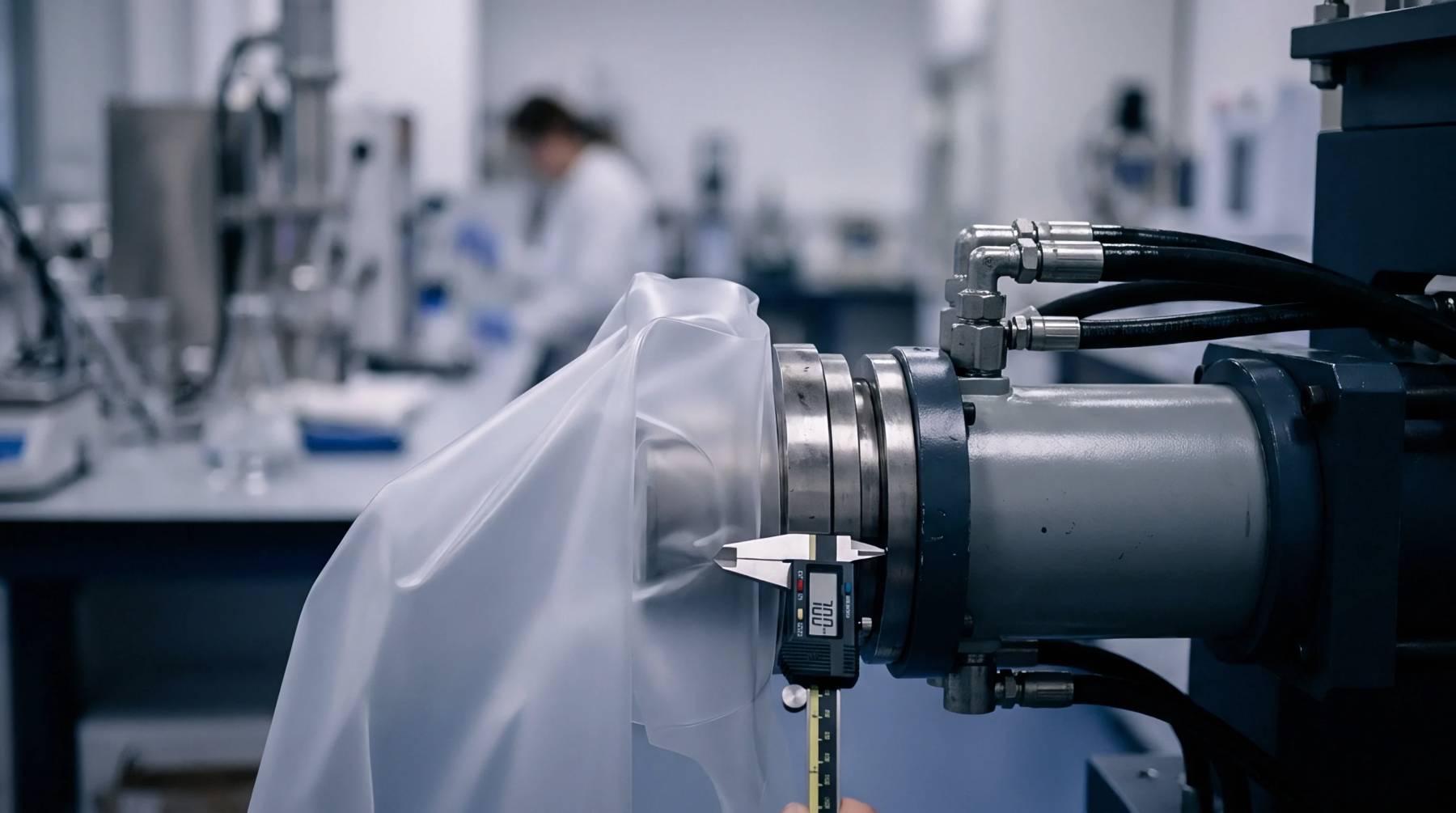
Machine learning response factor calibration converts uncalibrated non-target mass spectrometry peaks into defensible migration values for compliance screening.
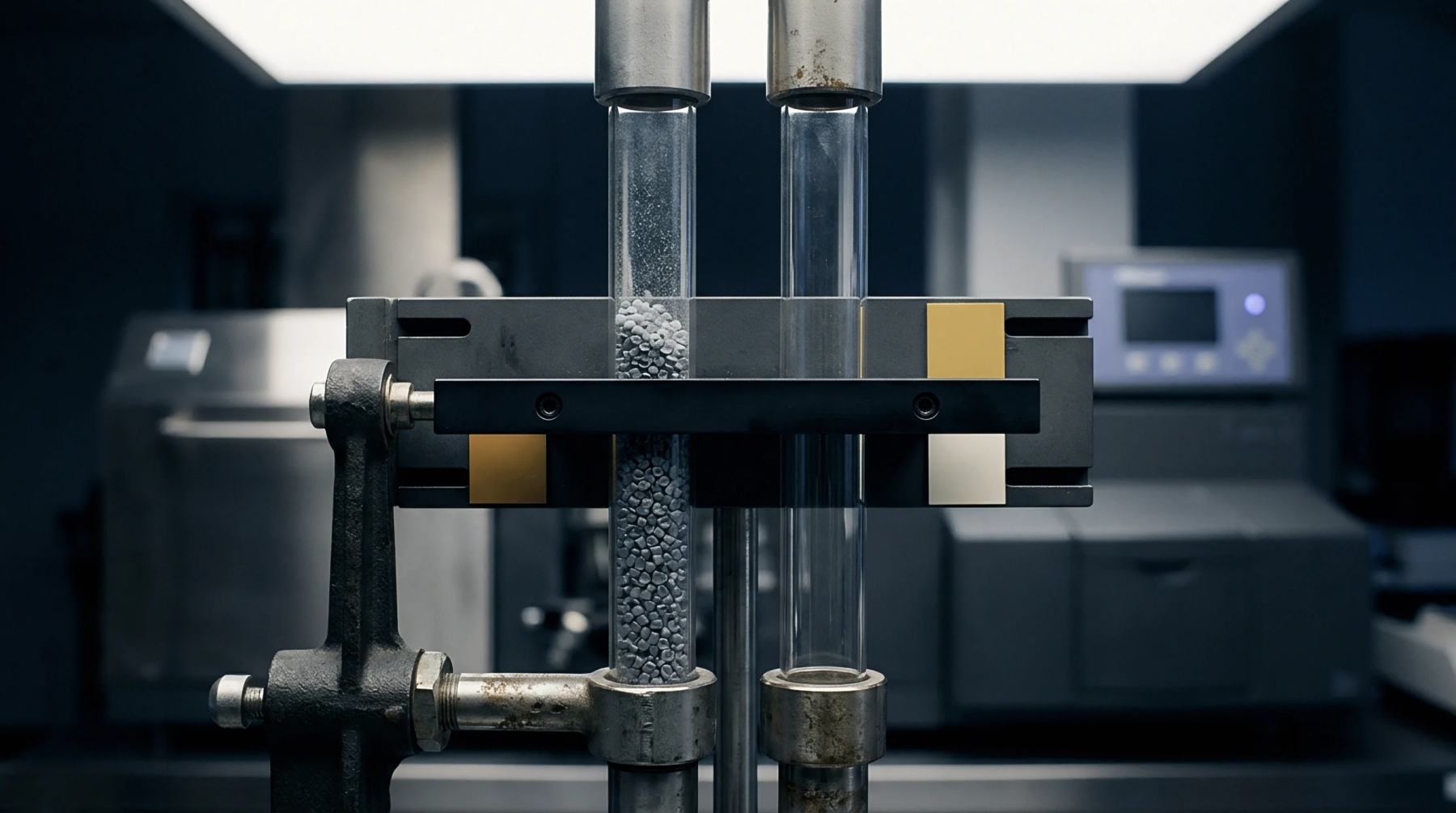
Transferable machine learning quantification across mass spectrometers requires domain-adapted anchor calibrants to prevent border clearance failures.

Non-target screening of recycled polyester requires GC-MS and LC-HRAMS to detect and toxicologically clear volatile and oligomeric NIAS below 10 ug/kg food.

High-resolution GC-QTOF and Orbitrap workflows quantify non-intentionally added substances down to toxicological thresholds to clear recycled plastics for food contact.

Accelerated contact testing induces polymer swelling and phase shifts that distort migration rates, demanding multi-temperature kinetic validation.

Analytical verification demands testing finished containers against true fill ratios with validated simulants to prove overall and specific limits under law.

Dynamic freight heat spikes reaching 60 °C accelerate high weight oligomer diffusion, requiring LC-QTOF-MS testing beyond standard OM2 compliance conditions.
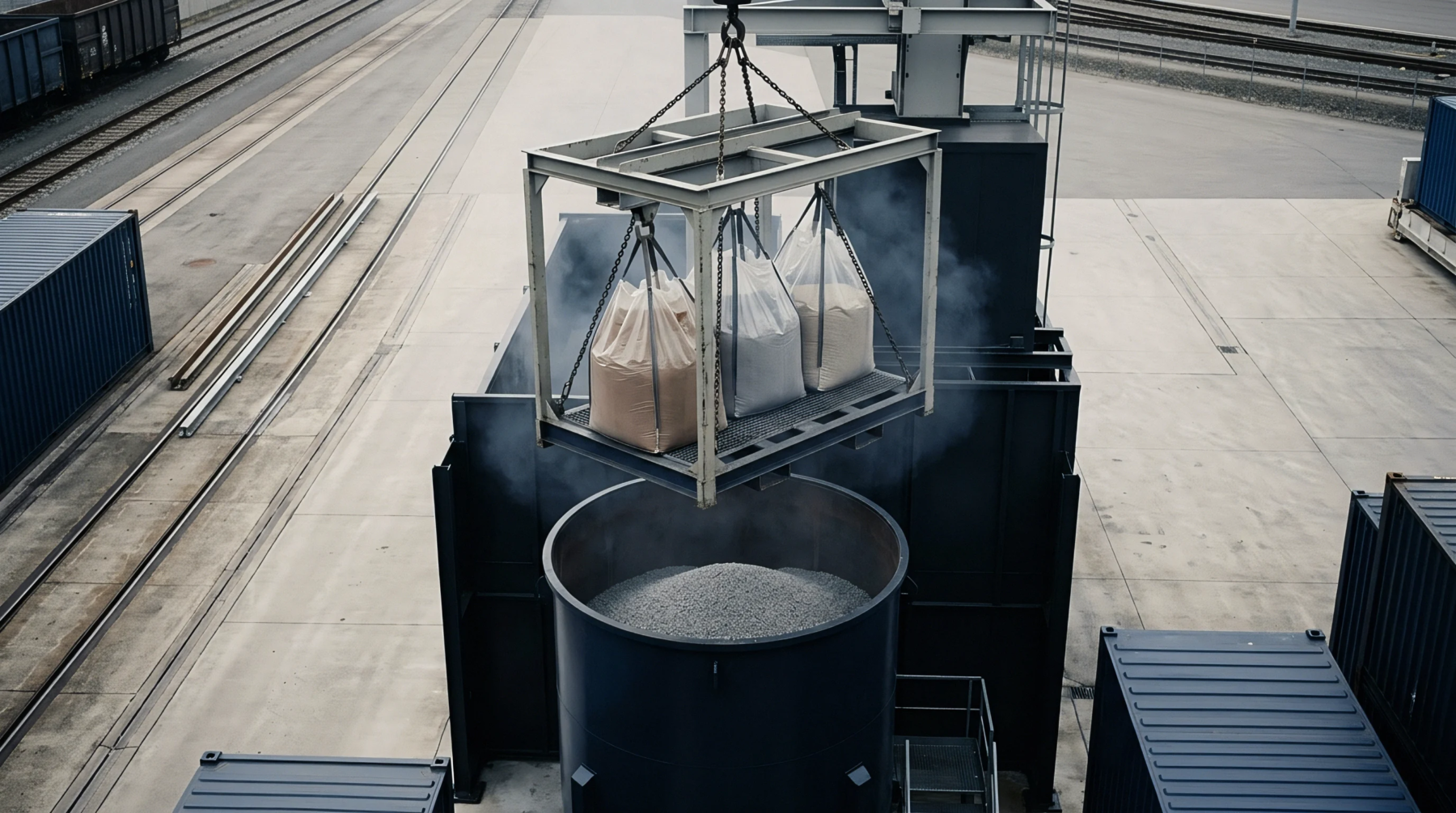
Quantifying cyclic PET oligomers in food simulants demands LC-MS/MS or HRMS to measure specific migration against toxicological threshold limits.

Calibrating high-temperature food contact requires pressure-cell extraction in vegetable oil or Tenax to prevent phase-change model invalidation.
Mass transport limits in amorphous polyester solid state transesterification dictate conversion rates, requiring thin flakes to prevent severe sintering.
Expertise is a utility, not a secret. sentiention™ publishes its working knowledge as open reference: intelligence layer covering the materials it sources, the markets it enters, and the reference that serves both.