Meaning
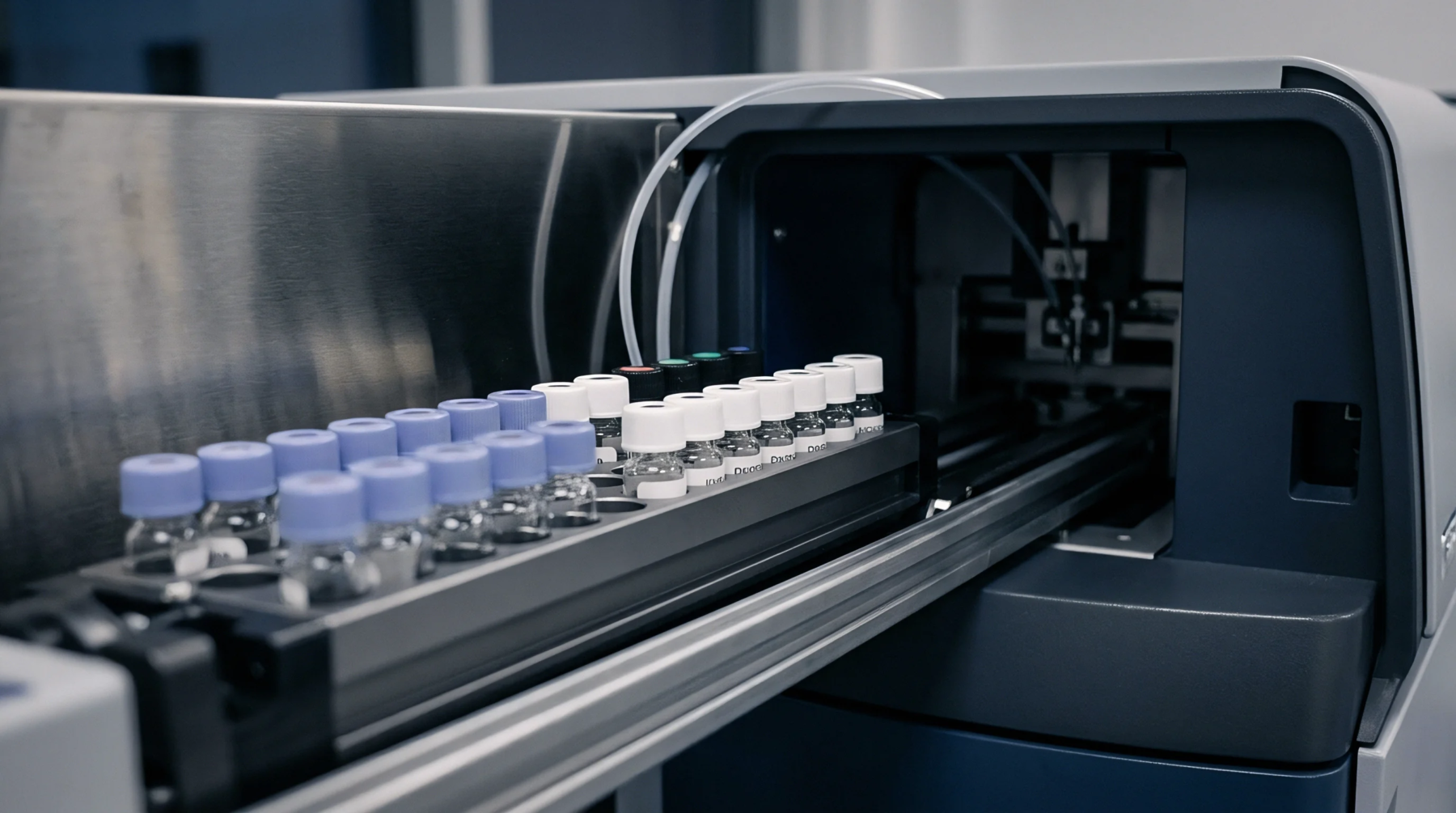
Polymer testing defines an analytical evaluation threshold as the minimum detection limit where signal noise separates from the constituent signature during gas chromatography or mass spectrometry. This analytical evaluation threshold establishes the baseline stability required for validating raw material purity before the moulding process begins. Laboratories apply this measurement to determine if trace contamination in high performance polycarbonates exceeds permissible quality parameters.
Calibration curves shift when the signal intensity drops below this boundary, causing potential inaccuracy in quantitative output.
Calibration Metric
Instrument sensitivity governs how closely a technician can measure additive migration within a polymer matrix. An analytical evaluation threshold functions as the gatekeeper for rejecting batches that contain unreacted monomers beyond the parts per million limit. Variability in sensor performance during continuous operation forces a recalibration of the equipment to maintain consistent data.
Processing Baseline
Melt indexers and thermal gravimetric analysers rely on this fixed numerical marker to prevent erroneous data logging during heat soak cycles. When the analytical evaluation threshold remains constant throughout a production campaign, the factory avoids inconsistent viscosity readings linked to volatile organic compound presence. Lowering the limit allows for faster inspection cycles but increases the risk of false positives caused by background interference in the testing chamber.
Economic Consequence
Raw material certification depends upon the verifiable distance between the analytical evaluation threshold and the legal specification for restricted substances. Discrepancies between datasheet figures and actual laboratory findings lead to the rejection of entire shipments of imported regrind. Maintaining a rigorous buffer above the sensitivity floor reduces the frequency of secondary testing and ensures that the final moulded components meet rigid safety standards.