
Border Rejection Notifications Read as Supplier Screening Data
Border rejection notifications provide empirical chemical failure data to screen foreign packaging suppliers, update lot sampling rates, and enforce contract indemnities.
Border rejection notifications provide empirical chemical failure data to screen foreign packaging suppliers, update lot sampling rates, and enforce contract indemnities.

Verify bulk container lots against test certificates using statistical ISO 2859-1 sampling and simulant migration screening before releasing payment.

Food contact declarations for custom molded plastics require finished part migration testing to cover processing degradation and additive changes beyond raw resin certificates.

Verify bulk plastic packaging against pre-production certificates using lot-specific AQL dock sampling, ATR-FTIR screening, and full DoC dossier traceability.

Mandatory upstream disclosure of dual-use additive identities and migration potential enables downstream food packers to verify total food additive compliance.

Auditing converter additive disclosures against container migration limits requires screening recipe dosages against diffusion kinetics and analytical test results.

European food contact polymer compliance mandates measuring total migration below 10 mg/dm² and specific migration limits using exact simulants and conditions.

Dual-use additives migrating from plastic packaging into food must satisfy both packaging specific migration limits and direct food additive maximum levels.

Verifying food contact compliance for polymer granulates connects batch migration test data to resin chemistry, valid declarations, and specific end-use limits.
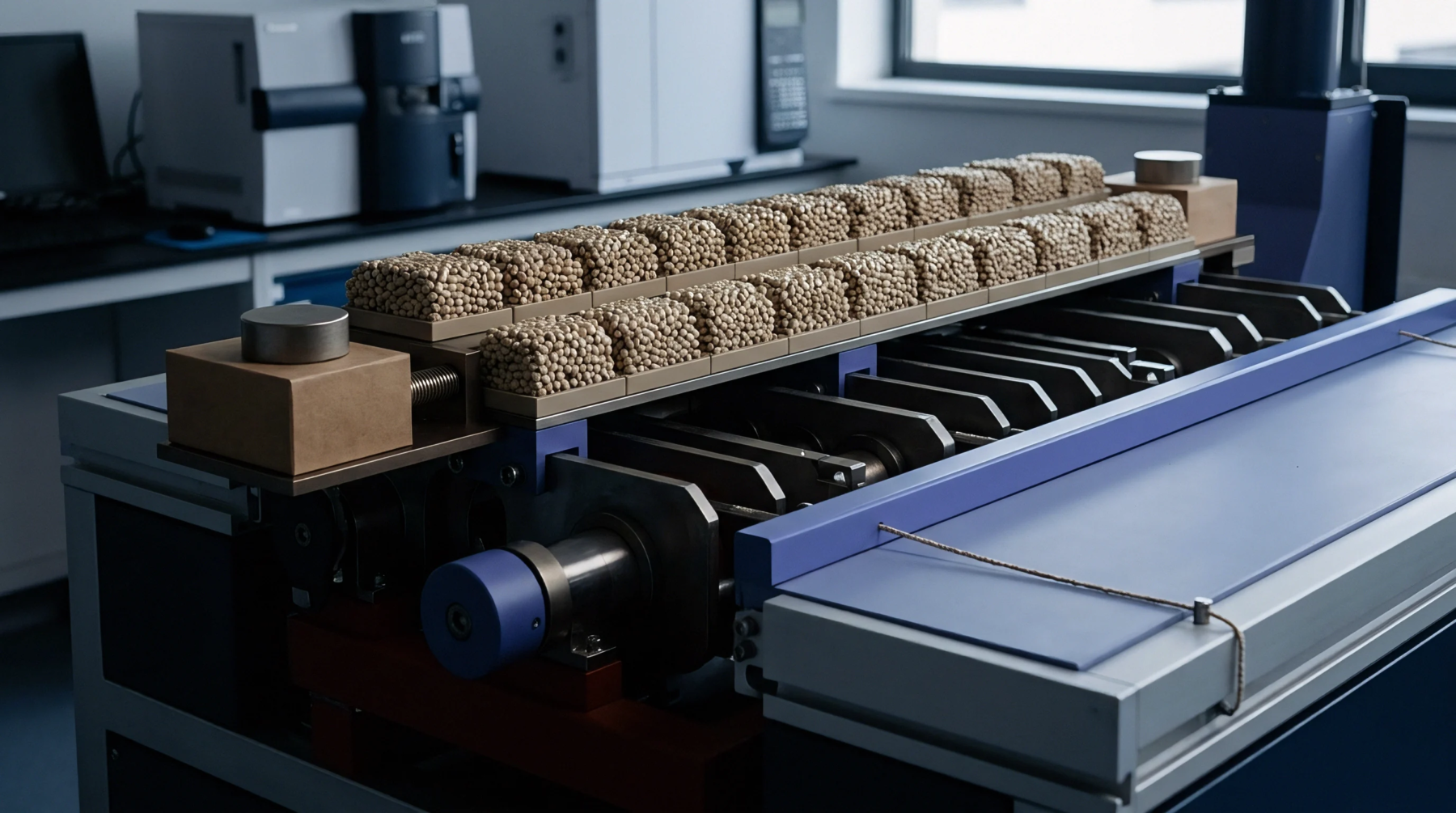
Quantifying dual-use additive migration in multicavity components requires cavity-isolated testing under worst-case shear and thermal conditions.

Converters resolve masterbatch secrecy through third party compliance trusts and standardized specific migration testing protocols.

Clearance of imported food packaging requires matching exact batch lot numbers across invoices, declarations of conformity, and ISO 17025 accredited migration test reports.

Analytical screening of HDPE consignments requires solvent extractions, GC-MS profiling, and diffusion modeling to verify food contact compliance before release.

Verify migration compliance using finished container single-sided cell tests, worst-case simulant conditions, and batch-matched documentation.

Dynamic transport thermal stress drives volatile non-intentionally added substance migration to polyolefin pellet surfaces, invalidating static 40°C compliance declarations at import borders.

Chinese food contact plastic declaration files require accredited GB standard migration reports, complete additive SML tracking, and strict lot traceability.

Resolving jurisdictional divergence in additive carrier definitions requires harmonizing HS code classifications, melt flow rates, and chemical registration limits.

Verifying food contact reports against resin specifications requires matching batch numbers, validating simulants, and recalculating surface contact ratios.

Validating food contact safety in bulk packaging relies on matching simulant test parameters to geometry and auditing chemical declarations for every additive.

Dual use additive management demands specific identity flow from resin compounders to food packers to satisfy direct food additive maximum limits.
Compliance files require measuring migration against specific limits, adjusting for dual-use direct food additive allowances, and verifying raw material data.

Auditing converter food contact declarations requires cross-referencing batch test reports, simulant conditions, dual-use additives, and NIAS screening data.

Reconciling masterbatch dosages with specific migration limits requires calculating active concentration, accounting for thermal loss, and verifying compliance by testing.
European food contact compliance requires validating overall and specific migration limits using designated simulants, geometric ratios, and traceable dossiers.

Verify laminate declarations by checking finished layer chemistry, primary aromatic amine cure completion, and simulant test parameters against batch lots.

Analytical screening validates supplier disclosures by identifying degradation products and non-intentionally added substances before market placement.

Tightly wound printed polymer rolls transfer photoinitiators through physical set-off, requiring pressure-aware diffusion modeling and batch-specific testing to verify compliance.

Additive shifts from migration combine polymer diffusion models with food recipe assays to prevent statutory threshold breaches at destination ports.

Extracting lipophilic simulants requires size-exclusion cleanup to prevent mass spectrometry matrix suppression during dual-use additive migration quantification.

Converters must secure precise masterbatch additive identities, specific limits, and dual-use statuses to verify food contact migration compliance legally.
Expertise is a utility, not a secret. sentiention™ publishes its working knowledge as open reference: intelligence layer covering the materials it sources, the markets it enters, and the reference that serves both.