High Shear Rate Capillary Rheometry Calibration Standards for Multimodal Polyethylene Grade Acceptance Protocols
High shear rate capillary rheometry isolates multimodal polyethylene lot anomalies through calibrated pressure transducers, Bagley corrections, and tight shear sweeps.


Piston
Accurate drive control in high-shear capillary rheometry relies on electromechanical force systems operating at barrel temperatures between 190 and 230 degrees Celsius. Standard low-shear melt flow indexers miss the rheological signature of high molecular weight fractions in multimodal polyethylene during rapid extrusion. Electromechanical actuators maintain constant piston speeds, displacing molten polymer through tungsten carbide or diamond-polished capillary dies at set volumetric flow rates.
Holding the barrel temperature uniform within 0.1 degree Celsius prevents thermal gradient errors from distorting viscosity calculations across multiple decades of shear rate.
Mechanical alignment between the driving plunger and nitrided steel barrel prevents side-wall friction from artificially inflating force transducer readings. Barrel pressure loss calculations assume a centered plunger path; any deviation introduces non-linear friction that can swamp low-end melt pressure signals, especially when testing high molecular weight pipe grades at low shear rates. Tooling specifications mandate die orifice tolerances within positive or negative 0.002 millimeters to maintain tight shear rate control.

Barrel Thermal Zones and Drive Velocity Control
Uniform temperature across the melt reservoir ensures consistent volumetric flow throughout a run. Polyethylene melts act thermorheologically simple at low shear rates, but high-shear testing of multimodal architectures reveals thermal sensitivity caused by viscous dissipation. Multi-zone electric heaters regulated by proportional-integral-derivative controllers keep temperatures stable along the entire bore length.
Pre-heating must last at least 600 seconds after pellet loading to achieve thermal equilibrium across the 9.550 millimeter diameter reservoir before starting a test.
Thermal fluctuations exceeding 0.3 degrees Celsius along the test chamber alter the apparent viscosity of bimodal high density polyethylene by up to 4.2 percent at a shear rate of 1000 reciprocal seconds.
Piston velocity control requires an encoder resolution capable of smooth crosshead displacement down to 0.01 millimeters per minute. High-shear testing calls for rapid acceleration up to crosshead speeds of 500 millimeters per minute without overshoot. Any speed variation directly corrupts the apparent wall shear rate, which is derived directly from volumetric flow through the capillary die.
Prior to initiating high shear testing protocols for multimodal grade acceptance, laboratory operators execute a physical instrument preparation sequence to eliminate baseline mechanical noise:
- Transducer thermal zeroing occurs at the target operating temperature of 190 degrees Celsius with an empty barrel to eliminate thermal drift in low-pressure signals.
- Capillary entrance inspection uses microscopic optical examination to check that the entry angle ~ typically a 90 or 180 degree flat entrance ~ remains free of carbonized resin deposits.
- Barrel wall cleanliness verification requires a thorough solvent wipe and brass-brush purge at elevated temperature to eliminate cross-contamination from prior batches.
- Drive velocity tachometer check confirms linear crosshead speed across five calibrated reference setpoints before baseline data collection.
Proper orifice alignment prevents force offsets. Modern high-shear capillary rheometers position load cells directly above the drive shaft and place melt pressure transducers immediately upstream of the capillary entrance die. Measuring melt pressure right at the die entry isolates fluid extrusion forces from piston-barrel friction.


Pressure
Transducer performance dictates data accuracy when measuring strain forces inside narrow capillary orifices. Piezoresistive and strain-gauge pressure transducers mounted flush with the upper die entry channel measure the total pressure drop required to push multimodal polyethylene through the die land. Accuracy within plus or minus 0.5 percent of full scale is necessary to resolve subtle lot-to-lot viscosity differences in blow-molding resins.
Signal amplification electronics must filter electrical noise from heater switching without dampening high-frequency pressure oscillations caused by flow instability.
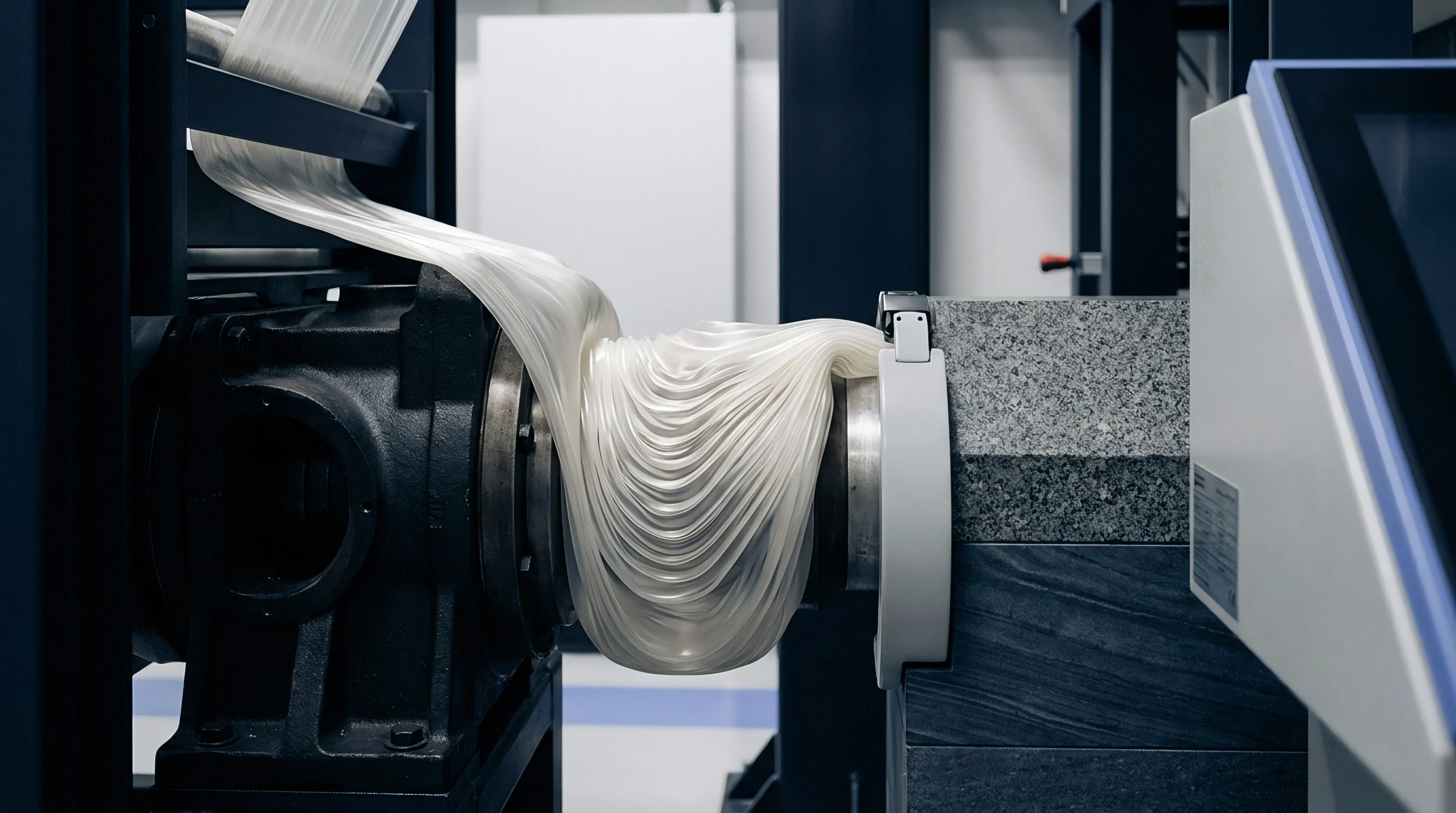
Bagley Entry Corrections and Rabinowitsch Fluid Velocity Profiling
Raw force readings taken at die entrances reflect kinetic losses alongside fully developed shear fields. Polymer chains converging from a 9.550 millimeter barrel into a 1.0 millimeter die orifice undergo severe extensional deformation. This extensional flow creates a substantial entrance pressure drop that must be subtracted from the total measured pressure to determine true wall shear stress.
Bagley entry corrections require testing resin through two or three dies of identical orifice diameter but different length-to-diameter ratios, such as 10 to 1, 20 to 1, and 30 to 1.
ISO 11443 Annex A dictates dual capillary measurements with length to diameter ratios of 10 to 1 and 30 to 1 to purge end effect distortions from high shear acceptance curves.
Extrapolating total pressure drop against length-to-diameter ratio back to zero length gives the end pressure correction. Because multimodal polyethylene melts are strongly non-Newtonian, they exhibit pronounced shear thinning. The velocity profile across the capillary diameter deviates from a standard Newtonian parabola, flattening near the center and steepening toward the die wall.
The Rabinowitsch-Mooney correction adjusts the apparent shear rate to find the true wall shear rate, using the slope of a log plot of true shear stress against apparent shear rate.
| Correction Method | Physical Mechanism Targeted | Required Die Geometries | Impact on Apparent Viscosity Value | Standard Tolerance Limit |
|---|---|---|---|---|
| Data compiled from standard capillary testing of bimodal high density polyethylene at 190 degrees Celsius under nitrogen purging. | ||||
Applying both Bagley and Rabinowitsch-Mooney corrections converts raw instrument readings into true shear viscosity functions. Omitting Bagley corrections artificially inflates melt viscosity, which can hide excessive high-molecular-weight branching or contamination in incoming shipments. ASTM D3835 Section 9.2 requires dynamic multi-point calibration of transducer diaphragms across the operational load range to eliminate baseline drift in lot dispute filings.


Tail
High molecular weight fractions exceeding 500,000 grams per mole dictate melt strength and shear response in multimodal polyethylene. Produced in cascade reactors using metallocene or Ziegler-Natta catalysts, these resins combine a low molecular weight matrix for processability with a high molecular weight tail for environmental stress crack resistance and long-term hydrostatic strength. This architecture creates complex rheological transitions under high shear rates that low-shear laboratory tests miss.

Which Capillary Geometry Isolates Wall Slip from High Molecular Weight Relaxation?
Varying the capillary die diameter while holding the length-to-diameter ratio constant reveals boundary layer displacement under high shear. Multimodal polyethylene chains with high entanglement densities disentangle near the polished metal wall of the die. Comparing apparent wall shear rates across three die diameters ~ 0.5, 1.0, and 2.0 millimeters ~ at identical length-to-diameter ratios isolates the onset of slip.
When plotted against true wall shear stress, matching shear rates across diameters confirm true fluid flow, while divergent curves show wall slip velocity.
Resins exhibiting sudden wall slip transitions at lower shear rates generate unstable parison extrusions during high speed blow molding operations.
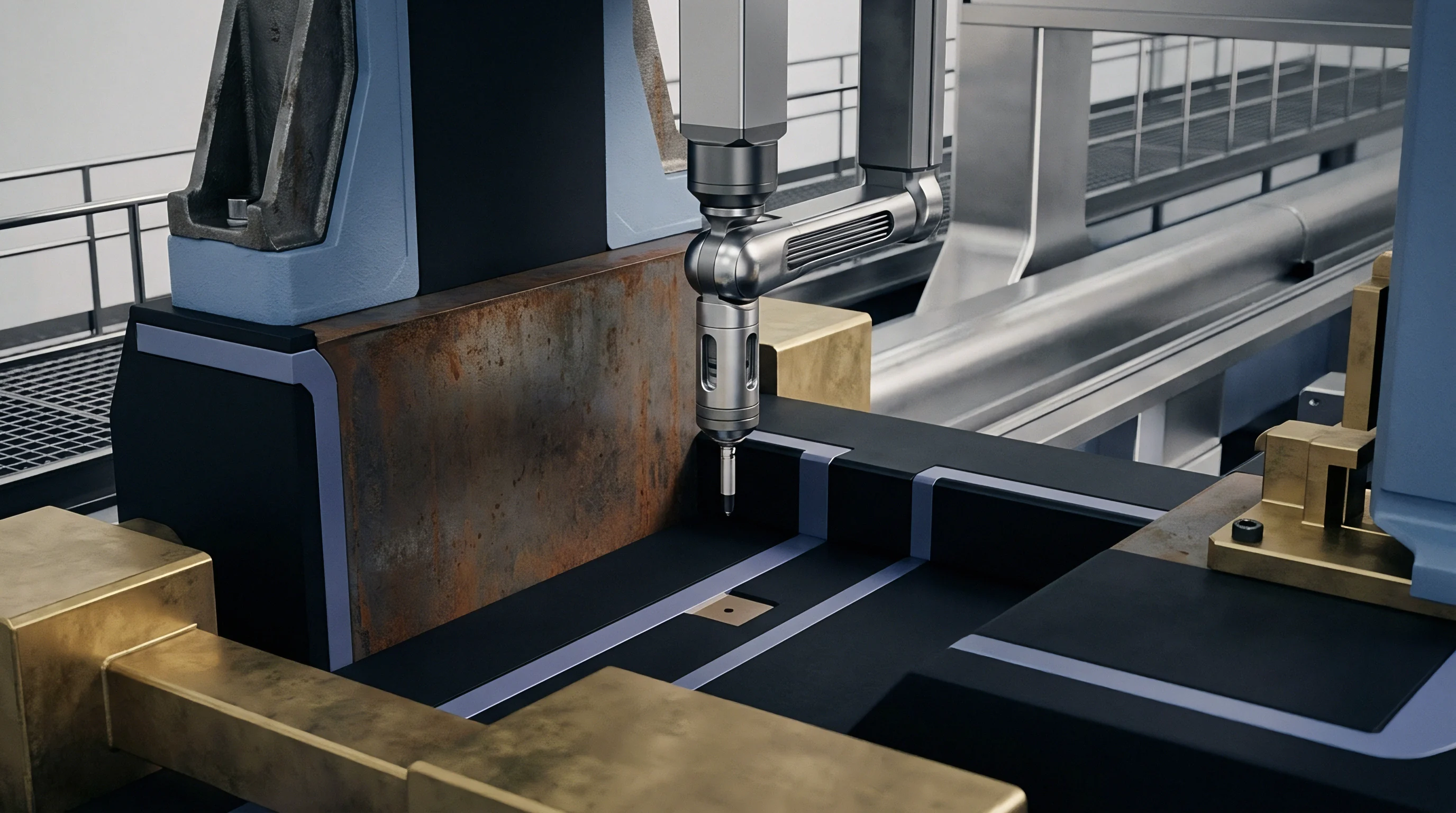
Melt Fracture Phenomena and Shear Induced Discontinuity
Surface sharkskin begins when tensile stresses at the die exit exceed the cohesive limits of the polymer network. As outer melt leaves the capillary orifice, rapid acceleration from a parabolic velocity profile to free-surface flow creates intense localized stretching. In multimodal high-density polyethylene, the high molecular weight tail concentrates stress at the die exit, producing fine periodic surface ridging at shear stresses beyond 0.1 to 0.15 Megapascals.
High shear rate testing of multimodal polyethylenes reveals distinct rheological instabilities that directly threaten processing yields:
- High-molecular-weight tail segregation creates localized viscosity gradients in the barrel, causing erratic pressure oscillations during constant-speed extrusion runs.
- Stick-slip flow oscillation produces periodic pressure drops alongside alternating smooth and rough extrudate bands when shear stress exceeds 0.3 Megapascals.
- Melt swelling asymmetry occurs at the exit of short capillary dies from delayed elastic recoil of ultra-high molecular weight entanglements.
- Shear-induced chain scission degrades molecular weight distribution when shear rates exceed 15,000 reciprocal seconds in narrow capillary entrances.
Increasing the shear rate further causes gross melt fracture, distorting the extrudate into helical or chaotic shapes. Pinpointing the shear stress threshold for stick-slip transitions establishes a firm benchmark for raw material qualification. It remains uncertain whether wall slip velocity scales predictably from laboratory capillary dies to industrial blown film dies.
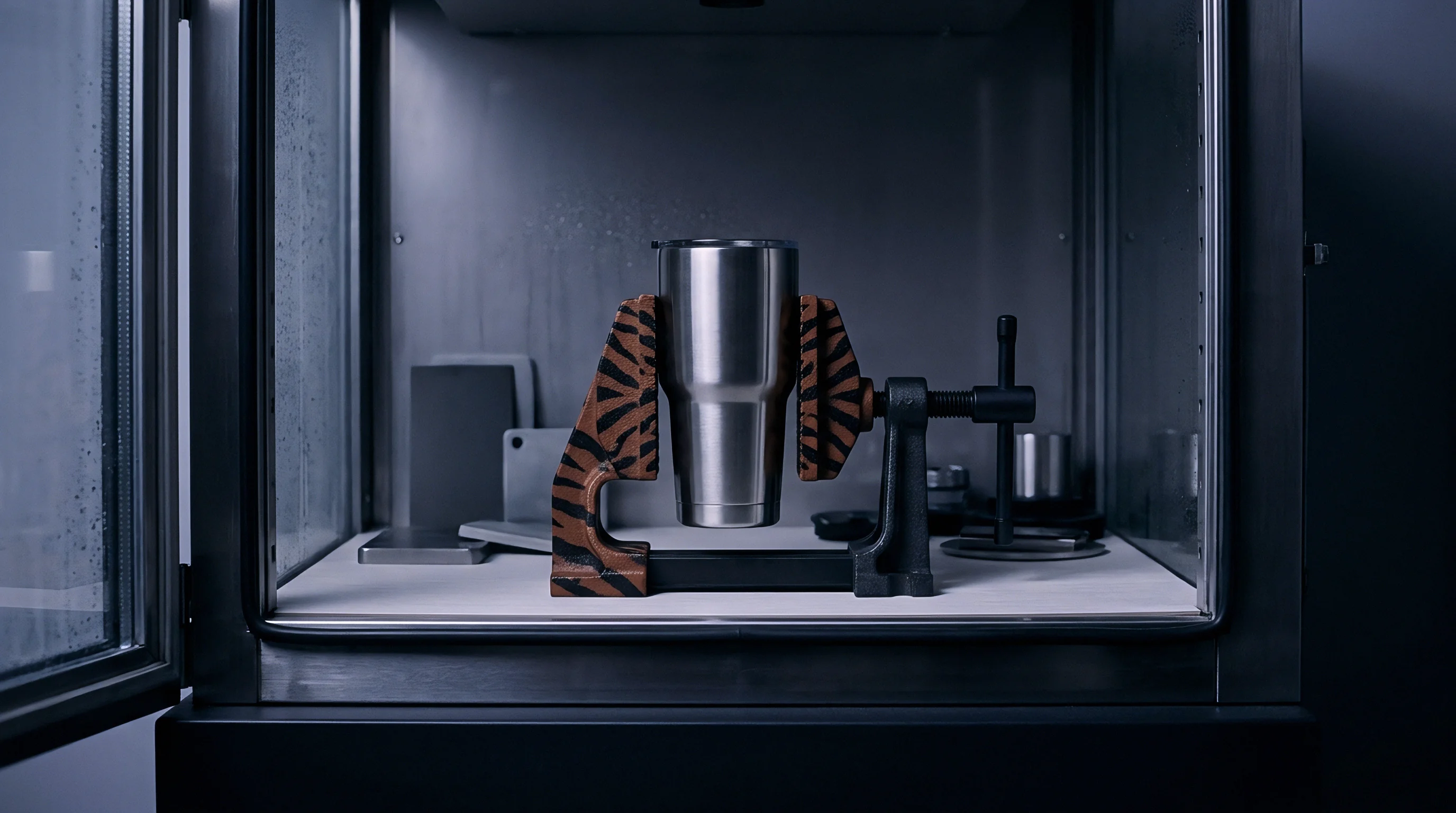

Bench
Quality control laboratories evaluate railcar shipments against strict viscosity windows across four shear rate decades. A single-point melt flow index test at 190 degrees Celsius under a 2.16 kilogram load reveals nothing about high-shear processing behavior in thin-wall injection molding or high-speed film lines. Multimodal polyethylene lots with identical melt flow index values can vary in viscosity by more than 25 percent at shear rates above 1000 reciprocal seconds, driven by minor shifts in catalyst selectivity or reactor branching ratios.

High Shear Rate Sweep Qualification Protocol
Single-load melt flow index measurements fail to expose variations in molecular weight distribution. A thorough acceptance protocol measures true melt shear viscosity across a multi-point profile ~ specifically 100, 500, 1000, and 5000 reciprocal seconds at 190 degrees Celsius.
Receiving inspection teams execute a structured four-stage bench procedure before authorizing material transfer into main storage silos:
- Collect representative pellet samples from top, middle, and bottom railcar ports per ISO 11648 standards.
- Dry the sample at 80 degrees Celsius for 120 minutes in a vacuum oven to remove surface moisture and volatiles.
- Run four-point apparent shear rate sweeps at 100, 500, 1000, and 5000 reciprocal seconds at 190 degrees Celsius using a die with a 30 to 1 length-to-diameter ratio.
- Apply Bagley and Rabinowitsch corrections to raw force data and compare true viscosity values against contract limits.

Multimodal HDPE Lot Acceptance Worked Sensitivity Model
Consider a 50 metric tonne lot of bimodal pipe-grade resin tested at 190 degrees Celsius from 100 to 5000 reciprocal seconds. The master purchase contract sets a true shear viscosity target of 320 Pascal-seconds plus or minus 15 Pascal-seconds at 1000 reciprocal seconds. Testing the sample with an uncalibrated pressure transducer showing a plus 3 percent offset produces an apparent viscosity of 338 Pascal-seconds, falsely flagging an acceptable lot as out of spec and triggering unwarranted rejection fees.
| Polyethylene Grade Target | Shear Rate (s^-1) | Target Viscosity (Pa·s) | Lower Limit (-5%) | Upper Limit (+5%) | Critical Failure Mode Triggered |
|---|---|---|---|---|---|
Conversely, omitting the Bagley correction when evaluating a resin with a broad high molecular weight tail understates the true shear rate, letting off-spec material slip into production. Processing resin with uncorrected high viscosity increases extruder drive torque by up to 14 percent, driving up melt temperature by 12 degrees Celsius and degrading thermo-oxidative stabilizers before the melt hits the die. Accepting railcars on low-shear melt flow index alone risks severe melt fracture, high scrap rates, and lost extrusion efficiency.

Contract
Commercial specifications for multimodal polyethylene tie resin producers to dynamic capillary rheometry tolerances alongside standard density and melt index figures. Depending solely on the producer’s Certificate of Analysis leaves processing plants exposed to lot-to-lot variations. Modern supply contracts set explicit high-shear viscosity limits under ASTM D3835 or ISO 11443 standards, detailing exact die geometries, operating temperatures, pre-heat durations, and required correction algorithms for acceptance testing.

Rheological Specification Clauses in Commercial Purchase Orders
Procurement agreements should include explicit viscosity windows at shear rates of 1000 and 5000 reciprocal seconds. Dual-point shear rate limits eliminate the ambiguity of single-point melt index numbers. Documentation should also define sampling frequency, such as testing one sample per 25 metric tonne compartment of a hopper railcar.
A five percent shift in high shear viscosity alters extruder power consumption and head pressure by predictable increments.
Contract terms set claim windows and financial liability when incoming resin fails bench testing. Buyers hold non-compliant railcars on sidings without demurrage while referee testing takes place at an independent laboratory. Resolution protocols require the referee lab to use the capillary dimensions, transducer calibration curves, and Bagley correction procedures specified in the master contract.
If testing confirms the viscosity falls outside contracted limits, the producer pays all freight, re-consignment, and laboratory fees. Tight specifications protect processing margins only if verification happens before unloading resin into primary silos.