
Preparative TREF and Size Exclusion Characterization of Olefin Oligomers
Preparative TREF combined with high-temperature SEC isolates and quantifies migrating sub-1000 Da polyolefin oligomers to verify food contact safety compliance.
Preparative TREF combined with high-temperature SEC isolates and quantifies migrating sub-1000 Da polyolefin oligomers to verify food contact safety compliance.

Compressive jaw pressure forces secondary amides to co-crystallize with metallocene polyethylene, locking slip additives and elevating post-seal friction.

Calculating polyolefin landed arbitrage viability demands evaluating cracker co-product yield spreads against comonomer properties and freight tariffs.

Bimodal HDPE shear thinning variations alter die swelling and sag resistance, forcing wall thickness adjustments and increasing landed pipe cost.

Infrared and thermal fingerprinting verifies polyolefin blend composition, oxidation levels, and phase contamination to enforce supplier compliance and landed part cost.

Low-frequency storage modulus and creep recovery accurately quantify ultra-high molecular weight tails in bimodal resins, ensuring stress crack resistance.

Melt flow index and density metrics must be verified together under exact standard loads to control polyolefin processability and field crack resistance.
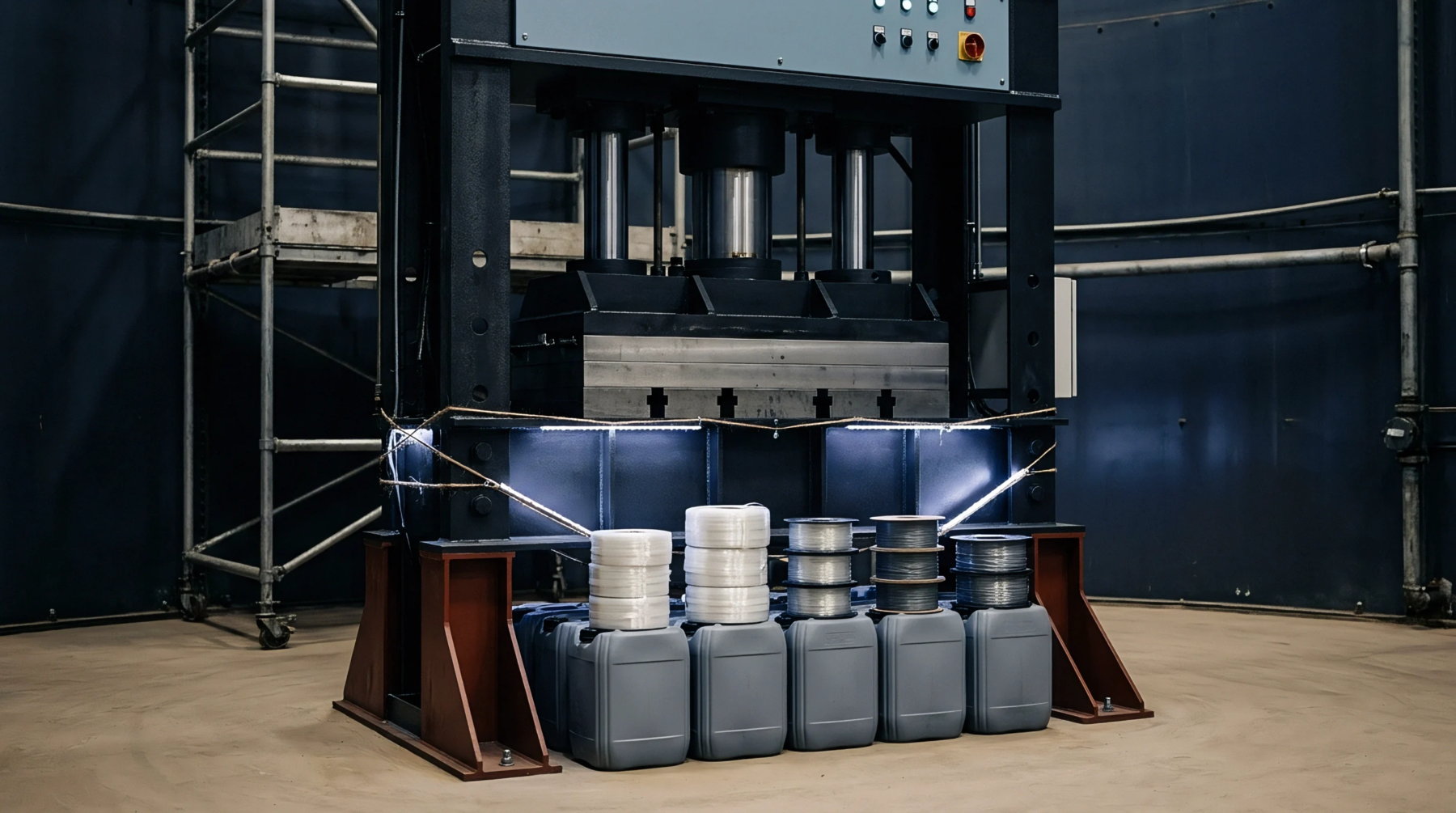
Polymer grade selection fixes mechanical properties, tool shrinkage, cycle time, compliance limits, and final landed part cost across production runs.
Expertise is a utility, not a secret. sentiention™ publishes its working knowledge as open reference: intelligence layer covering the materials it sources, the markets it enters, and the reference that serves both.