Meaning
A functional barrier is a polymer layer engineered within a multilayer packaging structure to restrict the migration of specific low molecular weight chemical compounds from outer layers or external environments into the packaged product. This specialized film layer prevents contaminant diffusion by exploiting differences in molecular packing density and crystallinity among incompatible polymer families such as polyolefins and polyamides. Production parameters during blown film extrusion establish the thickness and orientation of the functional barrier, and pressure fluctuations along the extruder barrel create thickness variations that compromise chemical resistance.
Performance testing evaluates migration rates under standardized temperature profiles using food simulants or solvent gas chromatography, and failure occurs when concentration thresholds exceed regulatory limits for contact materials.
Polymer Selection
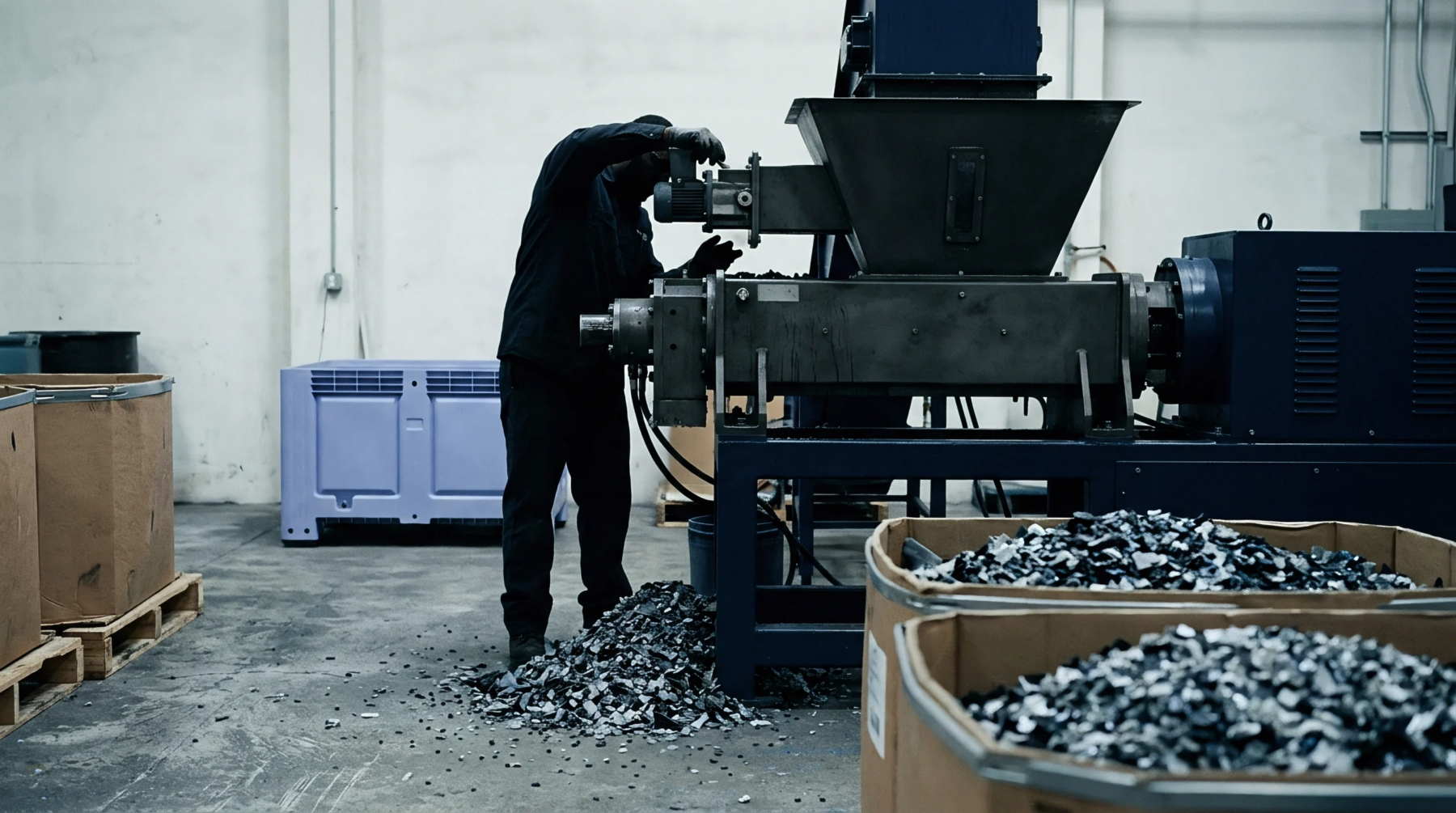
Selecting the correct resin for a functional barrier demands careful balancing of moisture permeability and gas transmission rates against processing temperatures. High density polyethylene offers moisture resistance while ethylene vinyl alcohol provides oxygen defense, and combining these resins requires tie layers to prevent delamination during cooling phases. Virgin material guarantees predictable melt flow indices and uniform crystallization kinetics, whereas regrind introduces thermal degradation history and residual volatiles that degrade barrier integrity over long storage periods.
Compounders must match the melt viscosity of the barrier resin to the structural carrier layers to avoid interfacial instability and uneven thickness distribution across the bubble.
Tooling Geometry
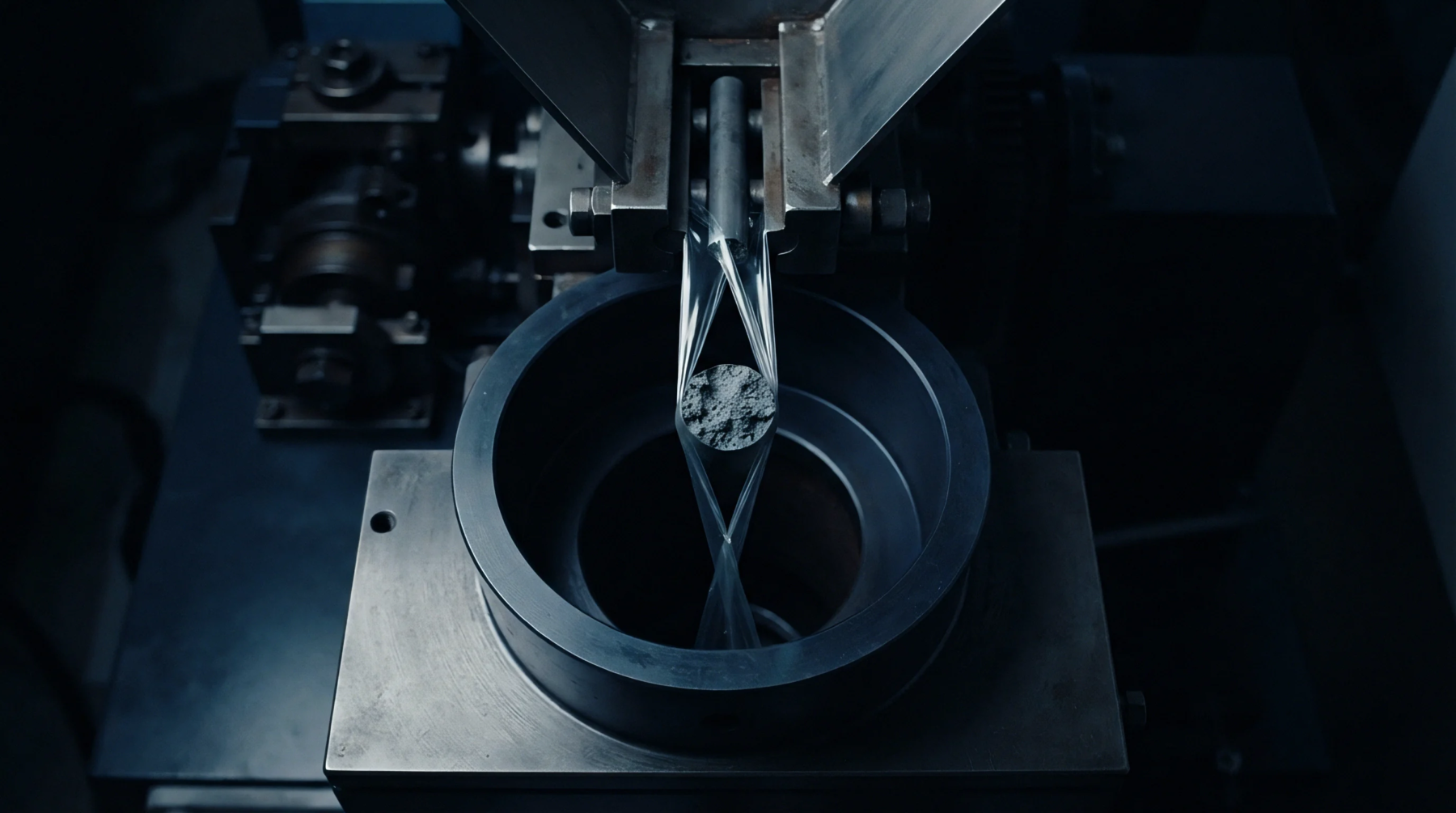
Die design dictates the concentricity and distribution of the functional barrier within a multilayer annular die setup during film production. Melt channels must maintain laminar flow and steady residence time to prevent thermal degradation of temperature sensitive barrier polymers prior to exit. Gap spacing at the die lips determines the initial gauge before stretching forces take over during bubble inflation and drawdown operations.
Uneven heating bands along the outer die body generate thermal gradients that thin the barrier locally, leading to premature migration leakage during final application use.
Cost Balance
Economic pressures frequently push compounders to reduce the thickness of expensive functional barrier resins to minimize per kilogram material expenditures across large production runs. Thinner layers reduce material costs but narrow the processing window, turning minor temperature fluctuations on the shop floor into major defects like pinholes or optical haze in the finished film. Processors must balance expensive resin optimization against the financial liability of batch rejection caused by contaminant migration during shelf life testing.
Machine operators verify these trade offs by measuring actual barrier thickness against datasheet projections on every extruded master roll.