Meaning
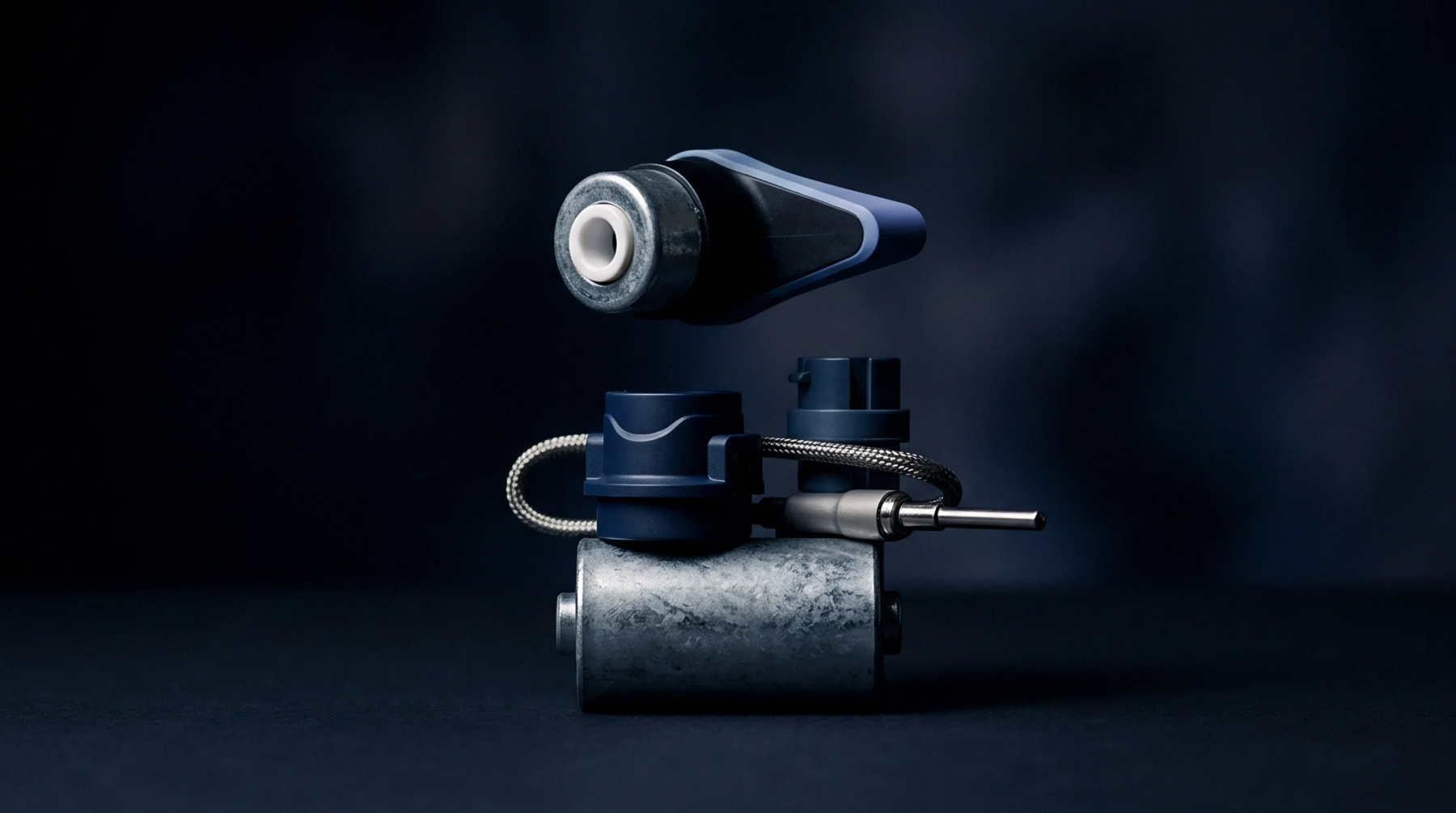
Piezoelectric force transducers built directly into moving cavity pins capture cavity pressure profiles during the packing and cooling phases. An ejector pin sensor detects peak pressure, dynamic switchover timing, and clamp force distribution without requiring additional holes drilled into cavity walls. Process monitoring systems rely on this data to adjust hold pressure profiles dynamically.
Signal drift occurs if mechanical binding along the pin shaft introduces frictional force offsets. Proper thermal compensation filters out baseline drift caused by cavity wall heating during continuous production.
Transducer Calibration
Mechanical alignment along the pin bore prevents side loading that corrupts force readings during high-speed injection. Installing an ejector pin sensor requires precise axial clearance to ensure the pin transfers full cavity load directly to the piezoelectric crystal. Pre-load forces must be set according to manufacturer specifications using calibrated torque keys.
Signal amplification converts charge output into standard zero to ten volt process telemetry.
Signal Integrity
Dynamic pressure curves reflect melt viscosity changes and gate freeze timing across consecutive moulding cycles. Sensor noise increases when electrical grounding across the tool base suffers from grease accumulation or thermal oxidation. Cable routing through mould plates demands strain relief channels to prevent conductor shear during high-frequency ejection cycles.
Process Optimization
Automated part sorting relies on peak cavity pressure thresholds captured during the holding cycle. Sub-standard packed parts trigger automated reject gates when measured force falls outside set boundaries. Moulders reduce cycle time by triggering pin withdrawal immediately after gate seal verification.
Tool wear around the pin tip creates flash that dampens sensor responsiveness over extended production runs.