
Zero Shear Viscosity Correlation with Molecular Weight in Polyolefins
Zero shear viscosity scales to the 3.4 power of molecular weight in linear polyolefins, providing definitive quality control where melt flow index fails.
Zero shear viscosity scales to the 3.4 power of molecular weight in linear polyolefins, providing definitive quality control where melt flow index fails.

Dynamic frequency sweeps reveal true molecular weight distribution and melt strength, preventing conversion line failures hidden by single-point melt flow rates.
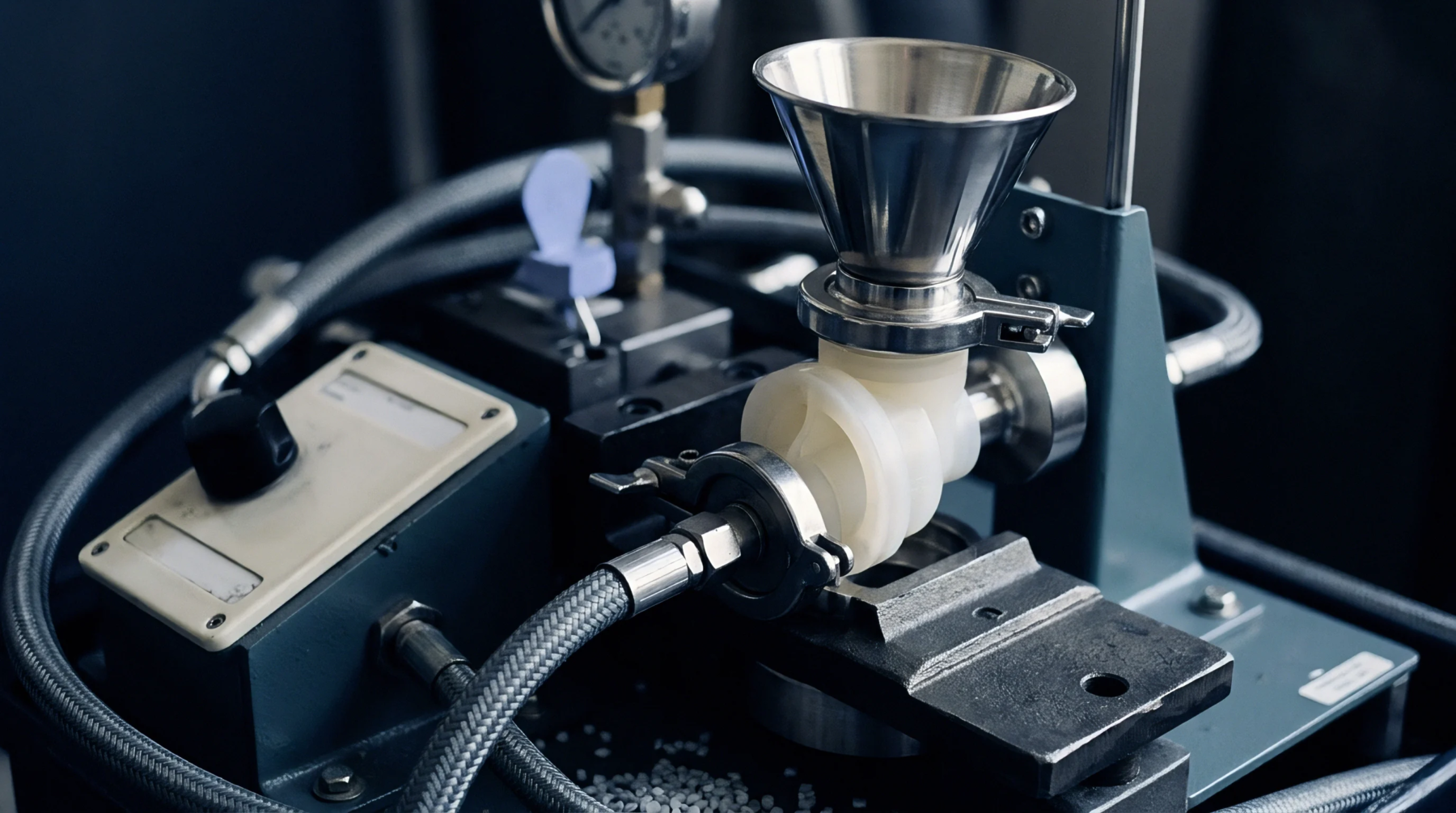
Melt flow rate increases nonlinearly as intrinsic viscosity drops; establishing zero-shear viscosity calibrations converts high-shear extrusion data reliably.

Dynamic oscillatory melt rheology isolates polyolefin branching and molecular weight distributions that single-point melt flow index tests fail to capture.

Match high-shear viscosity profiles and elasticity ratios rather than plastometer values to prevent phase separation and ensure complete additive dispersion.

Single-point melt index fails to predict processability; high-shear capillary and dynamic oscillatory testing prevent costly tooling scrap and cycle delays.

Dynamic shear viscosity thresholds across operational shear rates prevent extruder surging and wall fracture where single melt flow figures fail.

Dynamic frequency sweeps isolate polyolefin molecular weight distribution and branching where melt index fails, fixing processability and reject thresholds.

Quantifying shear sensitivity in degraded polyamide reclaim via capillary rheometry prevents processing flash and eliminates hidden costs from MFR misreadings.

Low-frequency storage modulus and creep recovery accurately quantify ultra-high molecular weight tails in bimodal resins, ensuring stress crack resistance.
Expertise is a utility, not a secret. sentiention™ publishes its working knowledge as open reference: intelligence layer covering the materials it sources, the markets it enters, and the reference that serves both.