
Analytical Metrology and Restabilization Procedures for Post-Consumer Flake
Stabilizing post-consumer flake requires baseline infrared oxidation metrology paired with balanced phenolic-phosphite packages to prevent melt chain scission.
Stabilizing post-consumer flake requires baseline infrared oxidation metrology paired with balanced phenolic-phosphite packages to prevent melt chain scission.
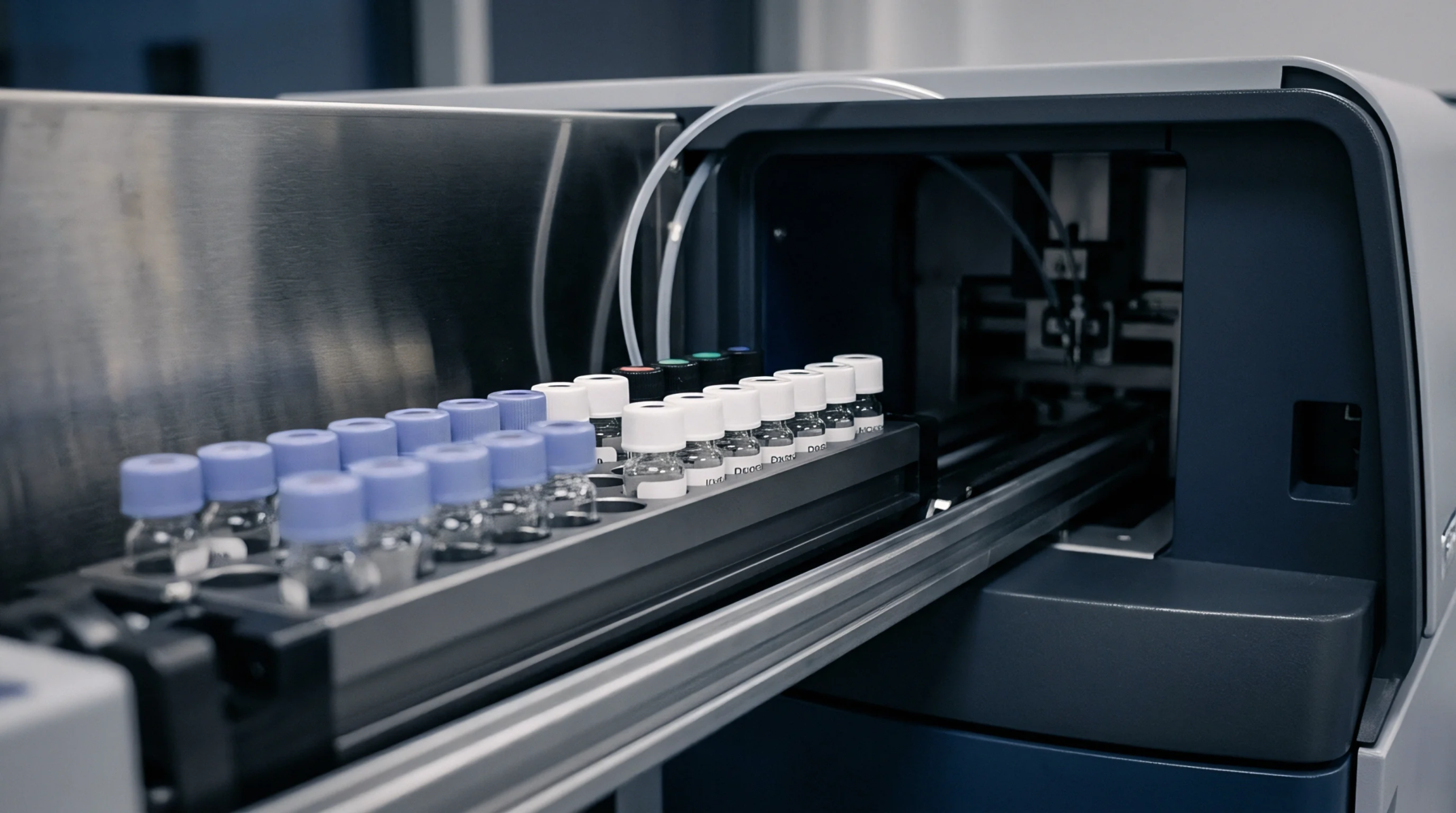
Cross-border recyclate contracts fail when test protocols omit equipment calibration, sample preparation, and moisture-proof sampling methods across jurisdictions.

House blending recycled resins causes melt viscosity drift and crosslinked gel contamination that disrupts mold filling and degrades part mechanical strength.
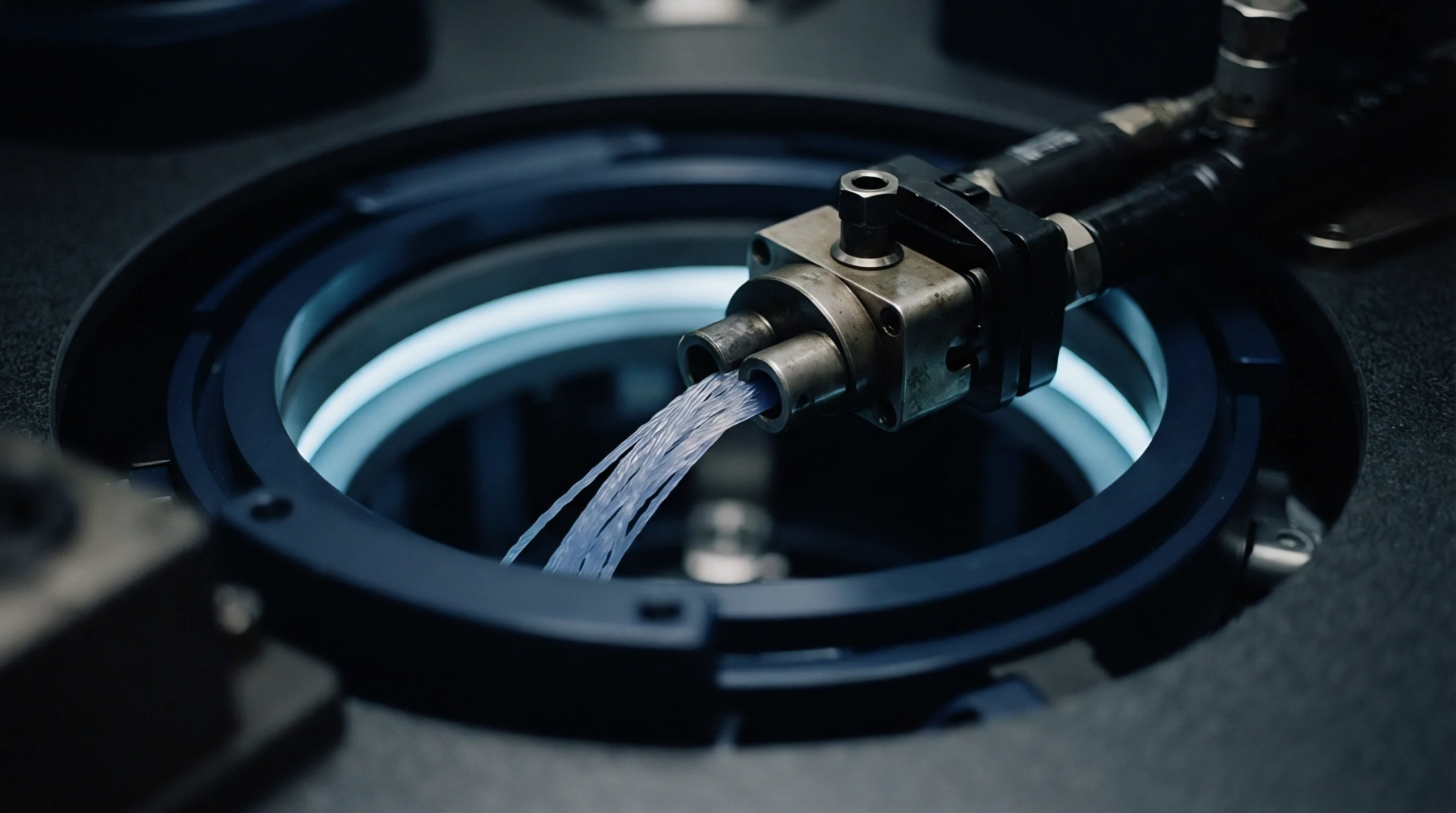
Zero-shear viscosity drops exponentially before MFR shifts, providing an early indicator of antioxidant depletion in recycled polypropylene.

Polyolefin degradation evaluation requires coupling multi-load melt flow testing and OIT analysis to quantify chain scission and restabilize flake lots.

Predicting long-term tensile creep modulus drop requires combining ISO 899-1 creep data with time-temperature superposition and fiber orientation tensor modeling.
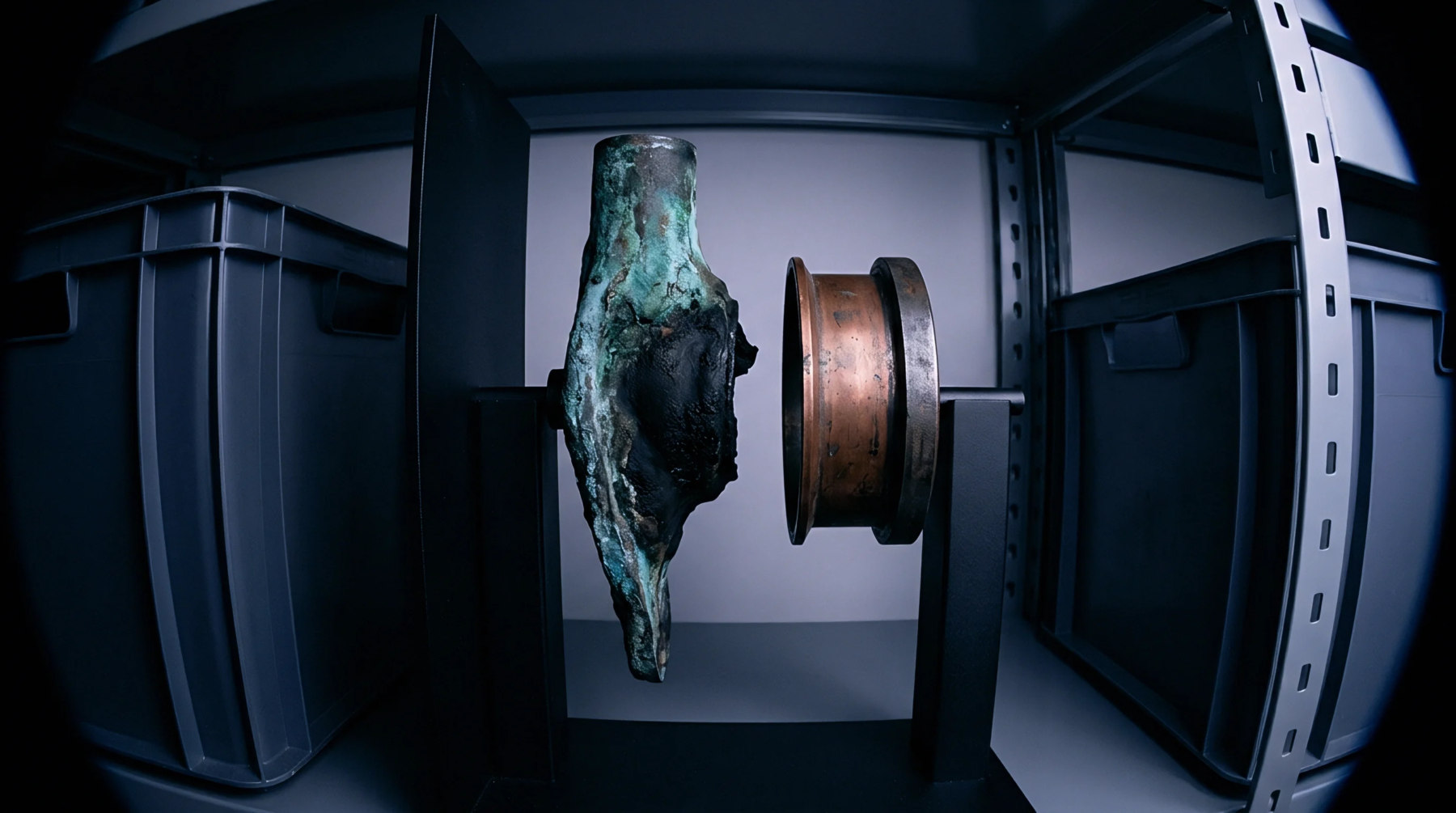
Optimal thermal oxidation stabilizer letdown ratios for post-consumer polyethylene balance melt shear degradation with active antioxidant dosing to minimize landed part cost.

Verify recycled polyolefin food contact clearance by combining LC-GC-FID quantification of C10-C50 oligomers with toxicological screening under Cramer Class thresholds.

Tracking melt flow changes and oxidation time prevents part failure from degraded recycled polyolefin resins.
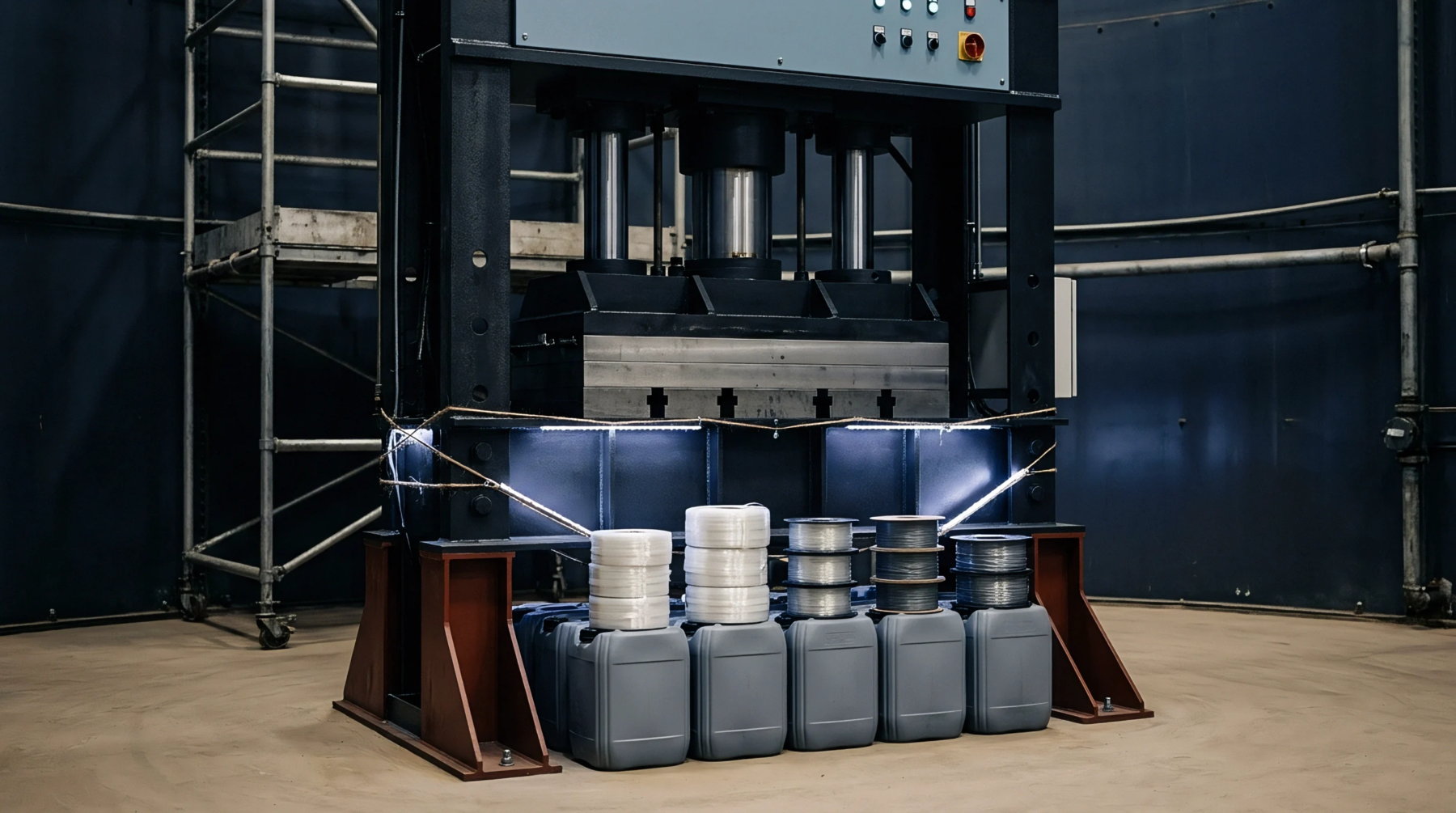
Polymer grade selection fixes mechanical properties, tool shrinkage, cycle time, compliance limits, and final landed part cost across production runs.
Expertise is a utility, not a secret. sentiention™ publishes its working knowledge as open reference: intelligence layer covering the materials it sources, the markets it enters, and the reference that serves both.