
Capillary Rheometry Correlation with Molecular Weight Loss in Recycled Bio Polyester Blends
Capillary rheometry tracks bio polyester molecular weight loss by isolating true shear viscosity and entrance pressure drops across processing shear rates.
Capillary rheometry tracks bio polyester molecular weight loss by isolating true shear viscosity and entrance pressure drops across processing shear rates.

Optimize continuous reactors by matching rotor surface renewal frequency to boundary layer diffusion limits rather than extending residence time.

Intrinsic viscosity accumulation limits in rPET are governed by end-group stoichiometry, byproduct diffusion rates, and contaminant-induced chain scission.

Untargeted mass spectrometry screening of recycled polymer degradation requires 0.4 Da isolation windows and toxicological cutoffs down to 0.01 µg/g.

Quantifying cyclic PET oligomers in food simulants demands LC-MS/MS or HRMS to measure specific migration against toxicological threshold limits.

Verify antioxidant retention in recycled polyethylene lots using ASTM D3895 oxidation induction times and liquid chromatography to prevent field failures.
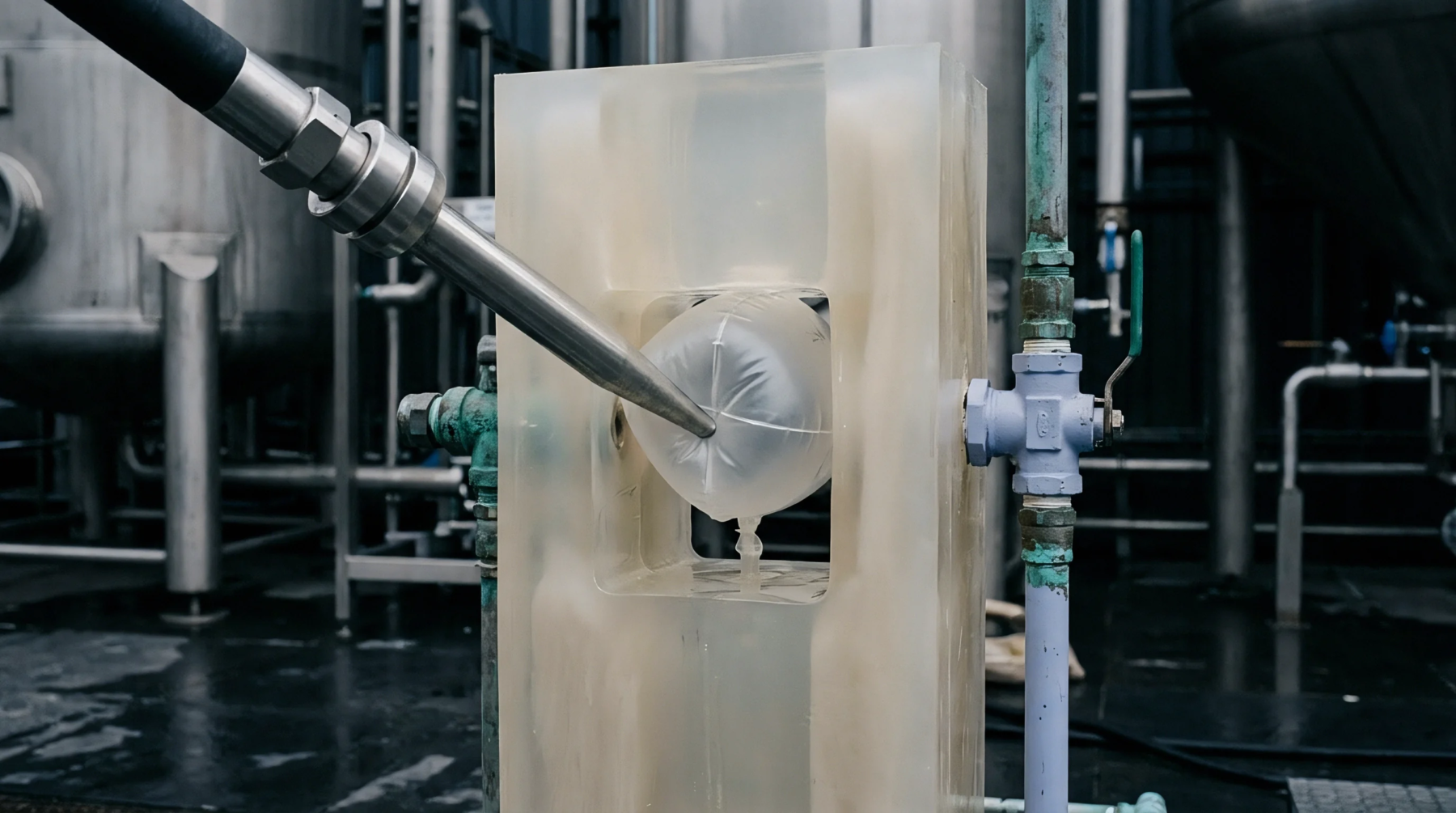
Replacing accredited food contact test reports with internal bench screening invalidates declarations of conformity and exposes importers to customs seizures.

Rigorous incoming quality control for recycled polyolefins requires pairing strict melt flow rate and ash test parameters with enforceable contract rejection terms.

Analytical calibration boundaries in high-temperature elution fractionation must isolate rubber fractions at 35°C to avoid severe impact modifier dosing errors.

Dual-load melt flow testing verifies shear thinning and molecular weight spread, catching recycled resin lot variation before it causes scrap.
Expertise is a utility, not a secret. sentiention™ publishes its working knowledge as open reference: intelligence layer covering the materials it sources, the markets it enters, and the reference that serves both.