
Capillary Rheometry Analysis of Multi-Pass Extrusion Polypropylene Degradation
Multi-pass PP degradation causes beta-scission that standard MFR misses; capillary rheometry isolates high-shear viscosity decay to protect tool yields.
Multi-pass PP degradation causes beta-scission that standard MFR misses; capillary rheometry isolates high-shear viscosity decay to protect tool yields.
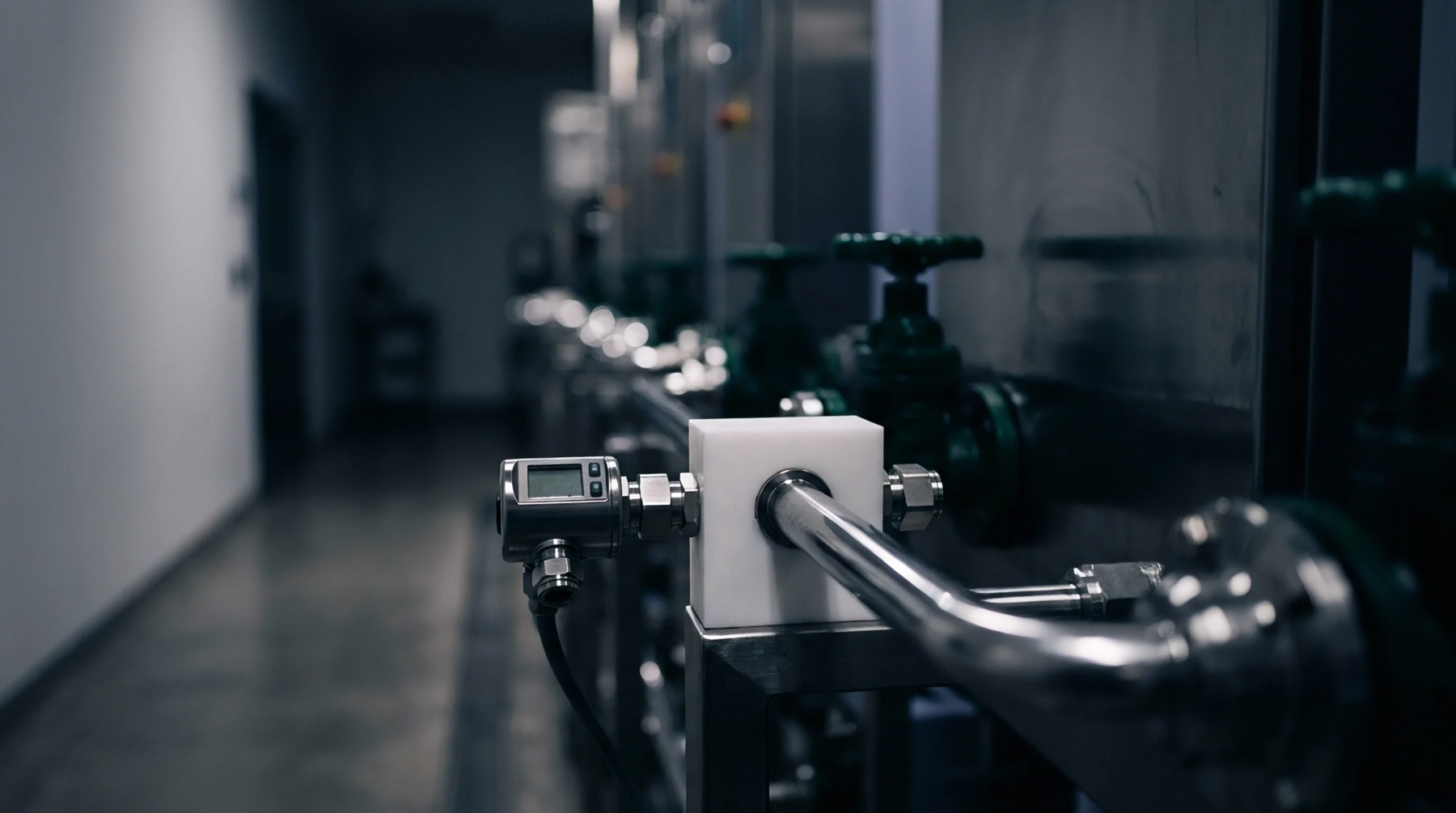
Polyolefin melt flow shifts under shear stem from chain scission or crosslinking, requiring high-shear capillary rheometry to prevent tool fill failure.

Fine dispersion of polypropylene inclusions below one micron in recycled polyethylene compounds recovers impact strength without sacrificing tensile modulus.

Verify polyolefin phase boundaries using differential scanning calorimetry and infrared spectroscopy before compounding to prevent brittle field failures and price deductions.
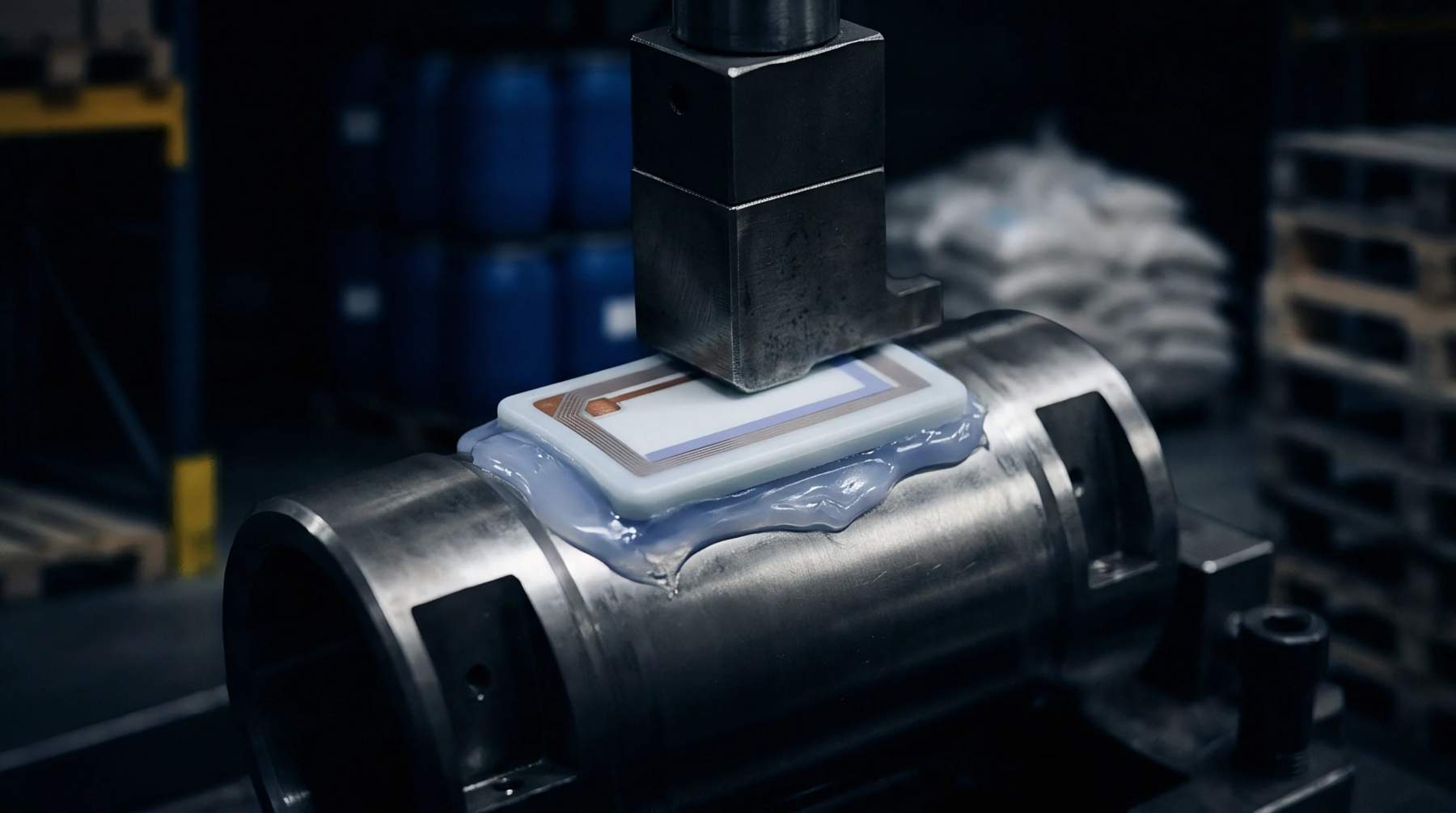
Latent hydroperoxides in re-stabilized polyolefin flake drive post-compounding chain scission, dropping impact strength by forty percent if unquenched.
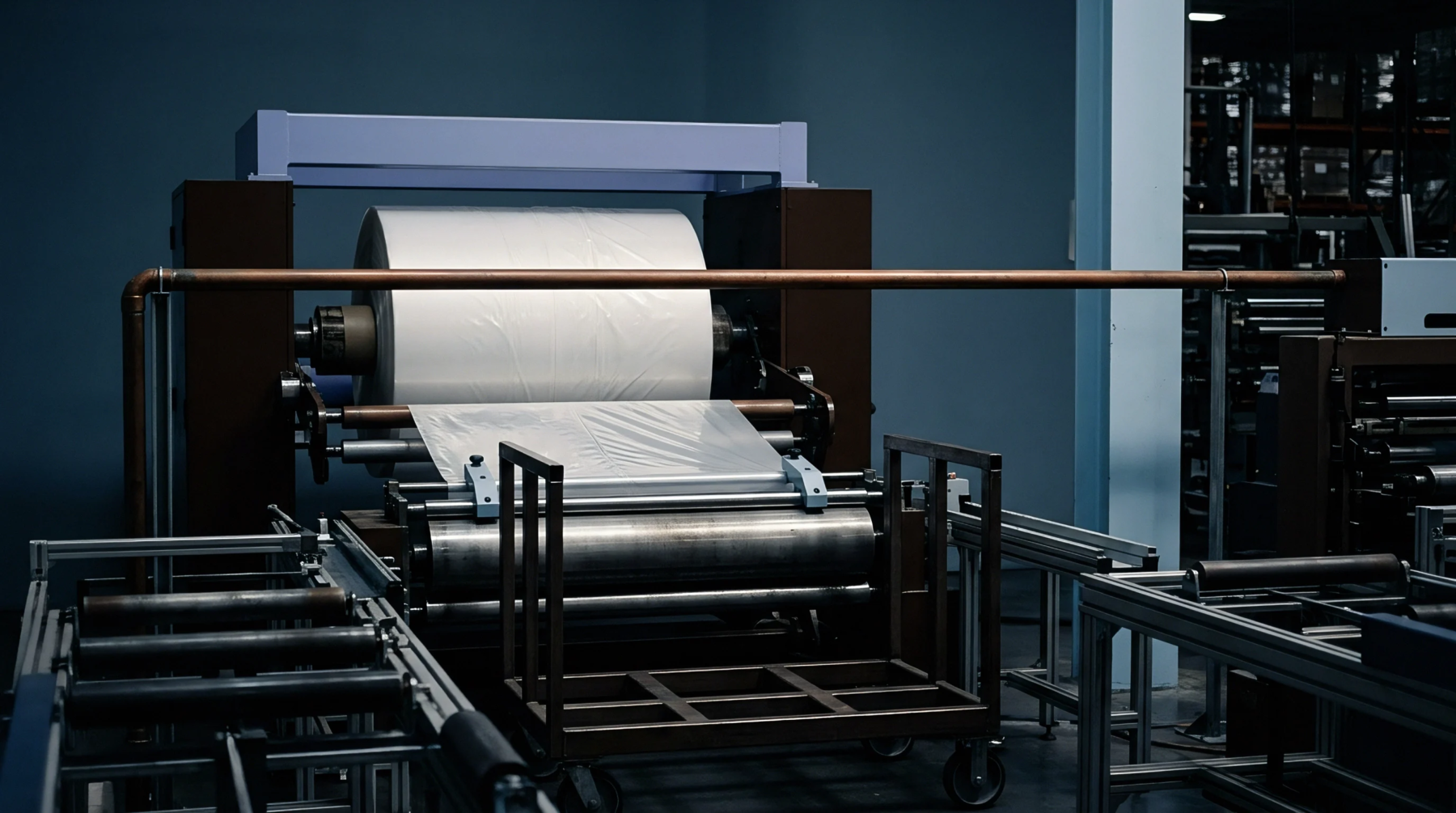
Trace dolomite dissociation above 240 °C releases carbon dioxide, causing micro-voiding and melt pressure spikes in high-speed filler compounding.

Resolve masterbatch tariff disputes by proving continuous carrier phase rheology and keeping calcination under 600 °C to defend Chapter 39 classification.

Dynamic mechanochemical crosslinking in contaminated post-consumer polyethylene drives melt viscosity spikes, gel formation, and severe manifold production scrap.

Fast cavity cooling forms metastable mesomorphic surface phases and steep density gradients, demanding controlled mold wall temperatures to hold tight tolerances.

Rapid mold wall cooling restricts polyamide spherulite growth, suppressing boundary impurity segregation and holding DIN 16742 TG4 dimensional tolerances.
Expertise is a utility, not a secret. sentiention™ publishes its working knowledge as open reference: intelligence layer covering the materials it sources, the markets it enters, and the reference that serves both.