Quantifying Structural Mechanical Loss from Latent Hydroperoxides in Re-Stabilized Polyolefin Flake Compounds
Latent hydroperoxides in re-stabilized polyolefin flake drive post-compounding chain scission, dropping impact strength by forty percent if unquenched.

Peroxide
Post-consumer polyolefin flakes retain an oxidative history built up during service, outdoor weathering, and grinding. Extrusion heat cleaves existing polymer bonds, producing active alkyl radicals that react with atmospheric oxygen. Polypropylene and polyethylene processed in wash systems keep hydroperoxides locked within their solid matrix; conventional washing and drying cannot clear these reactive intermediates.
During re-extrusion into re-stabilized lots, heat breaks latent hydroperoxides into hydroxyl and alkoxy radicals, starting secondary chain scission that lowers matrix molecular weight as the compound cools in the die.
Auto-Oxidation Cascade in Recovered Flake
Polyolefin degradation in mechanical recycling works through a self-sustaining radical mechanism. Granulator shear severs carbon-carbon bonds along the backbone, generating primary alkyl radicals. Oxygen uptake converts these into peroxyl radicals, which pull hydrogen atoms from neighboring chains ~ forming hydroperoxides while yielding fresh alkyl radicals that keep the cycle going.
- Alkyl Radical Generation happens when shear or heat breaks carbon-carbon bonds on the polyolefin backbone.
- Peroxyl Radical Propagation turns carbon-centered radicals into oxygenated species on exposure to air.
- Hydroperoxide Formation creates stable species that persist at room temperature inside storage silos.
- Homolytic Cleavage cleaves oxygen-oxygen bonds in hydroperoxides once compounding temperatures pass 150 degrees Celsius.
Hydroperoxides accumulate while flake sits in storage, where ambient light and warmth drive ongoing oxygen uptake across surfaces. A single hydroperoxide molecule breaks down thermally into two active radical species; these alkoxy and hydroxyl radicals then attack neighboring polymer chains long after primary processing ends.
Radical Re-Initiation during Melt Reprocessing
Extrusion heats incoming flake above its melting point, usually between 180 degrees Celsius and 240 degrees Celsius. That heat destabilizes hydroperoxide bonds, triggering rapid radical formation throughout the melt. Polypropylene suffers extensive beta-scission, dropping melt viscosity and broadening molecular weight distribution, while polyethylene undergoes crosslinking that forms gels and raises stiffness.
Re-stabilization packages added at the extruder attempt to interrupt this cascade. Primary antioxidants capture peroxyl radicals, and secondary antioxidants break hydroperoxides down into stable alcohols. But poor additive migration and uneven dispersion leave hydroperoxides intact in localized zones.
These unquenched species lie dormant in finished pellets until service loads or thermal cycles restart chain scission.
Post-consumer polyolefin flakes retain unreacted oxygen species within the bulk polymer matrix despite thorough washing and thermal drying.
Re-stabilization packages are often expected to neutralize historical oxidation in recycled resins completely, returning post-consumer flake to virgin performance. However, unreacted internal hydroperoxides remain, continuing to degrade mechanical properties over a component’s service life.
Melt
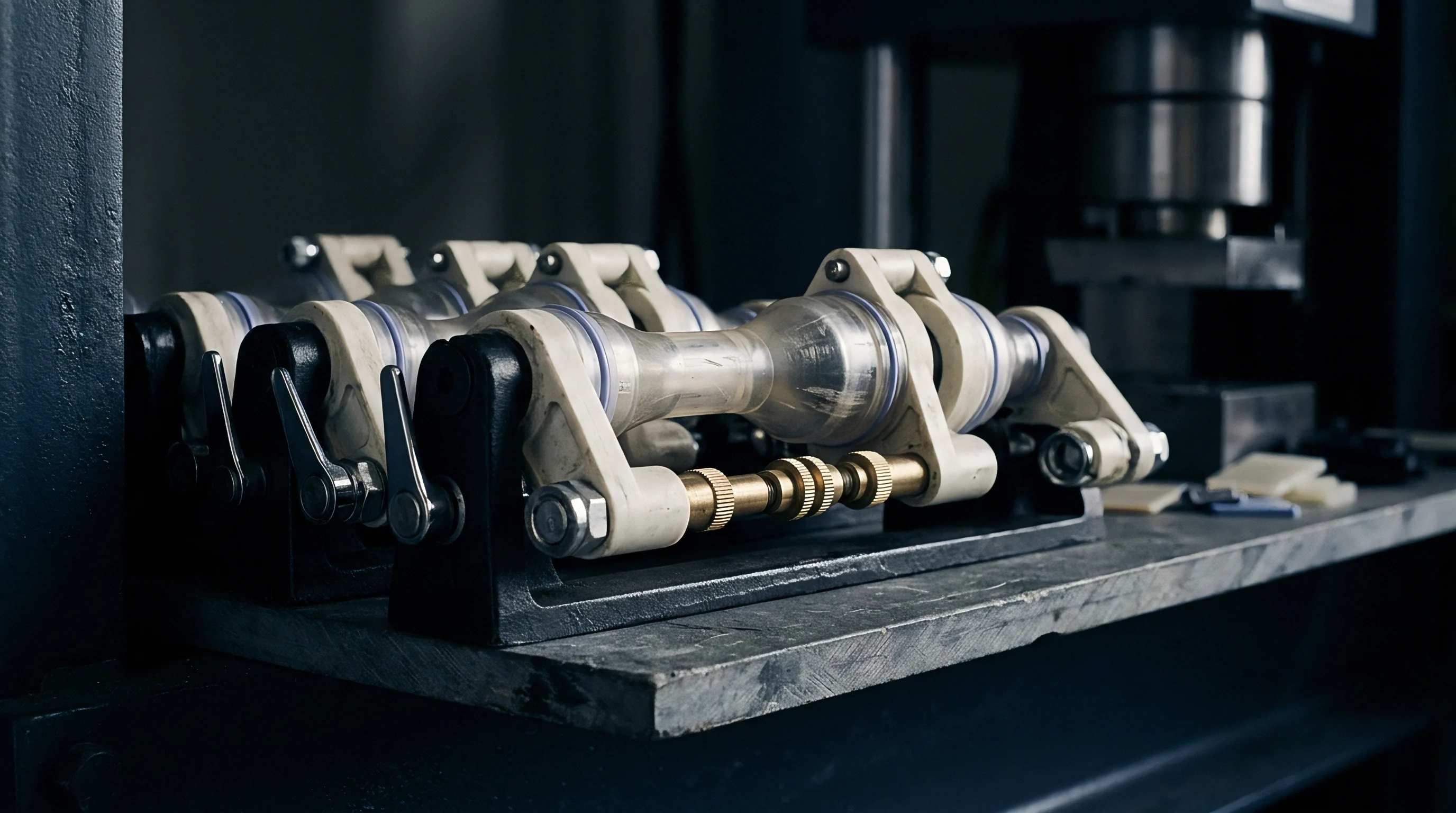
Thermomechanical shear in compounding extruders drives rapid chemical changes within polyolefin matrices. Twin-screw compounding mixes stabilizers into post-consumer flake, but residence times of thirty to sixty seconds limit full mass transfer. Local shear heating pushes local temperatures above barrel setpoints, accelerating hydroperoxide dissociation.
How fast antioxidants consume inside the barrel depends directly on the concentration of legacy oxidation products in the raw flake.
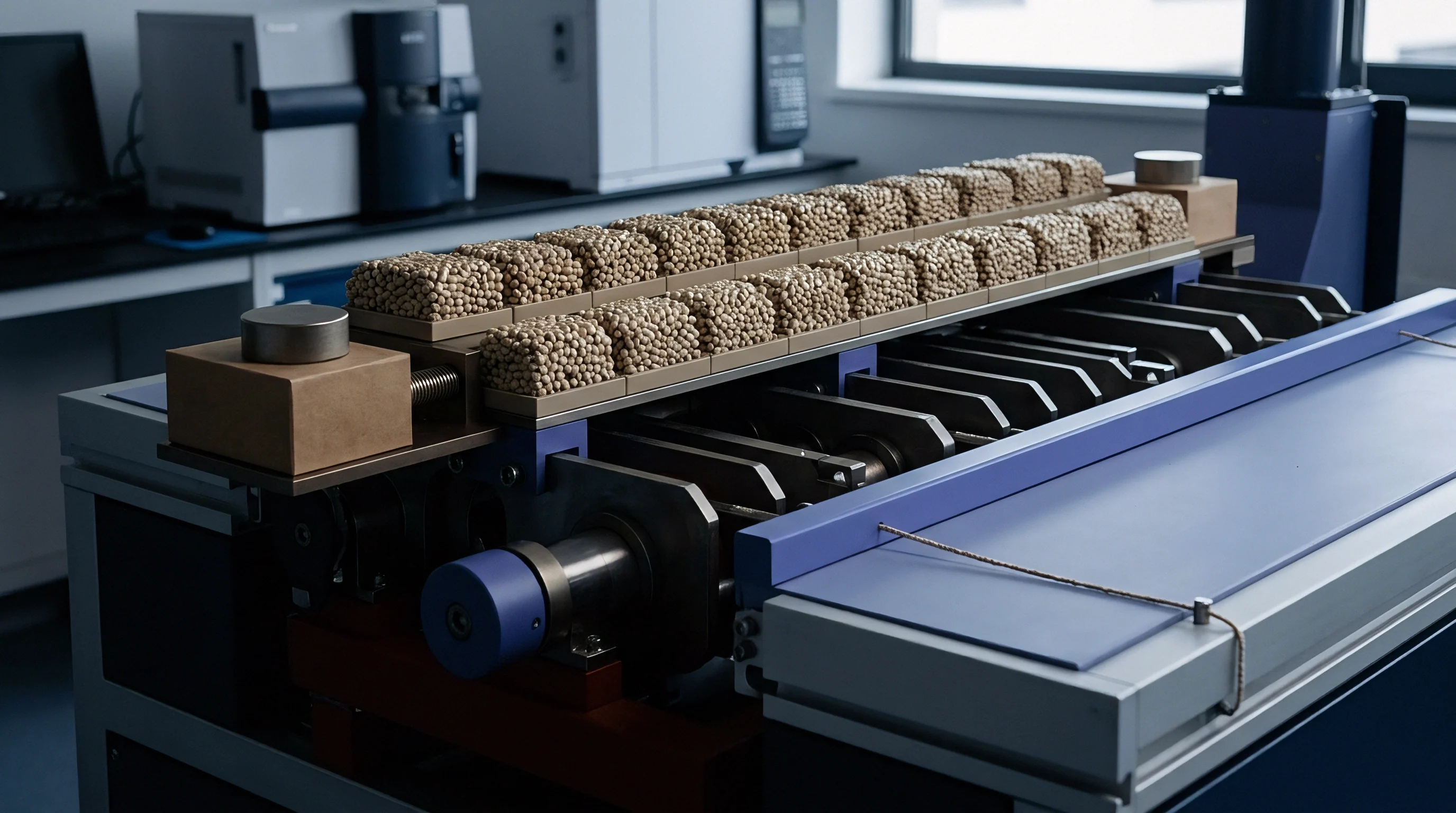
Antioxidant Consumption Kinetics under Extrusion Shear
Primary hindered phenols neutralize peroxyl radicals by donating hydrogen atoms. Secondary phosphites react directly with hydroperoxides, converting them to stable phosphates before radicals multiply. When incoming flake carries high hydroperoxide levels, these secondary antioxidants exhaust their active chemistry in the first barrel zone.
- Feed polyolefin flake into the primary degassing zone below 180 degrees Celsius to limit premature radical dissociation.
- Introduce a melt-stabilizer package of primary hindered phenol and secondary phosphite at a two-to-one let-down ratio.
- Maintain vacuum venting at 0.08 megapascal pressure to draw off volatile decomposition products during twin-screw compounding.
- Pelletize extruded strands immediately under chilled water to stop ongoing thermal-oxidative degradation.
Early antioxidant depletion leaves the resin vulnerable during downstream conversion. Injection molding heats pellets a second time, starting another round of degradation once secondary phosphites are exhausted. The ratio of consumed to active antioxidant ultimately dictates the material’s remaining thermal stability.
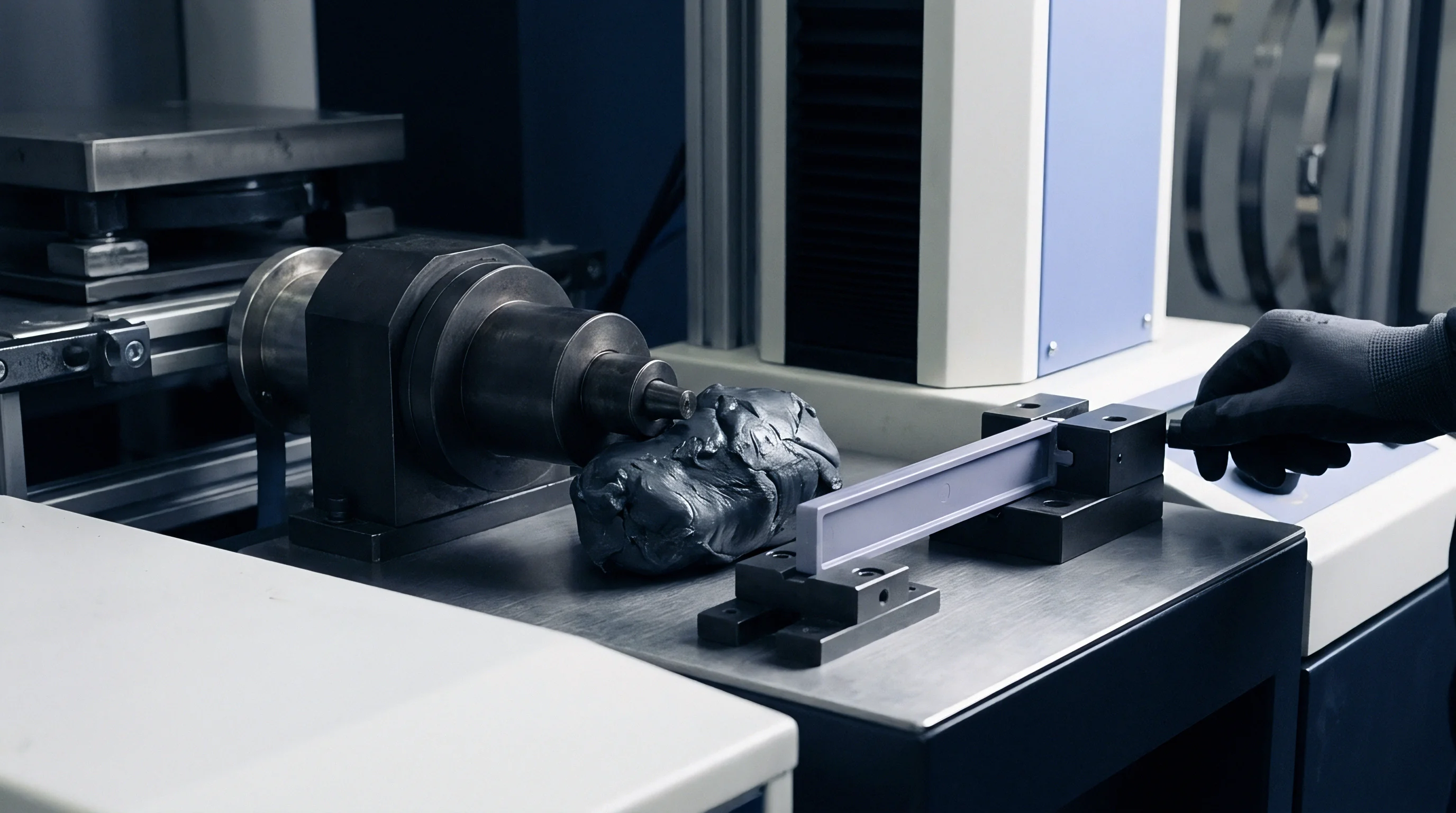
Secondary Phosphite Let-Down Mechanics
Formulating re-stabilized compounds requires balancing secondary antioxidant loading against measured hydroperoxide levels. Virgin polyolefins typically require 500 to 1500 parts per million of stabilizer. Recycled flake containing 30 micromoles of hydroperoxides per gram consumes over 3000 parts per million of phosphite in a single pass; under-dosing leaves active hydroperoxides in the finished pellet.
High-shear zones along the screw aggravate stabilizer loss. Degradation scales non-linearly with shear rate, driving local temperatures past the thermal breakdown limits of standard phosphites. This forces the use of high-thermal-stability phosphites or hydroxylamine esters that survive melt processing while remaining reactive to latent peroxides.
Melt flow measurements show the direct structural impact of active peroxides. Tested at 190 degrees Celsius under a 2.16 kilogram load per ISO 1133, a melt flow rise from 3.5 to 12.8 grams per 10 minutes corresponds to a 65 percent drop in weight-average molecular weight. That shift compromises wall thickness uniformity in blow molding and injection molding.
Sound compounding balances additive costs against raw hydroperoxide loading by adjusting secondary antioxidant let-down until melt flow rate stays within ten percent across repeated processing passes.

Tension
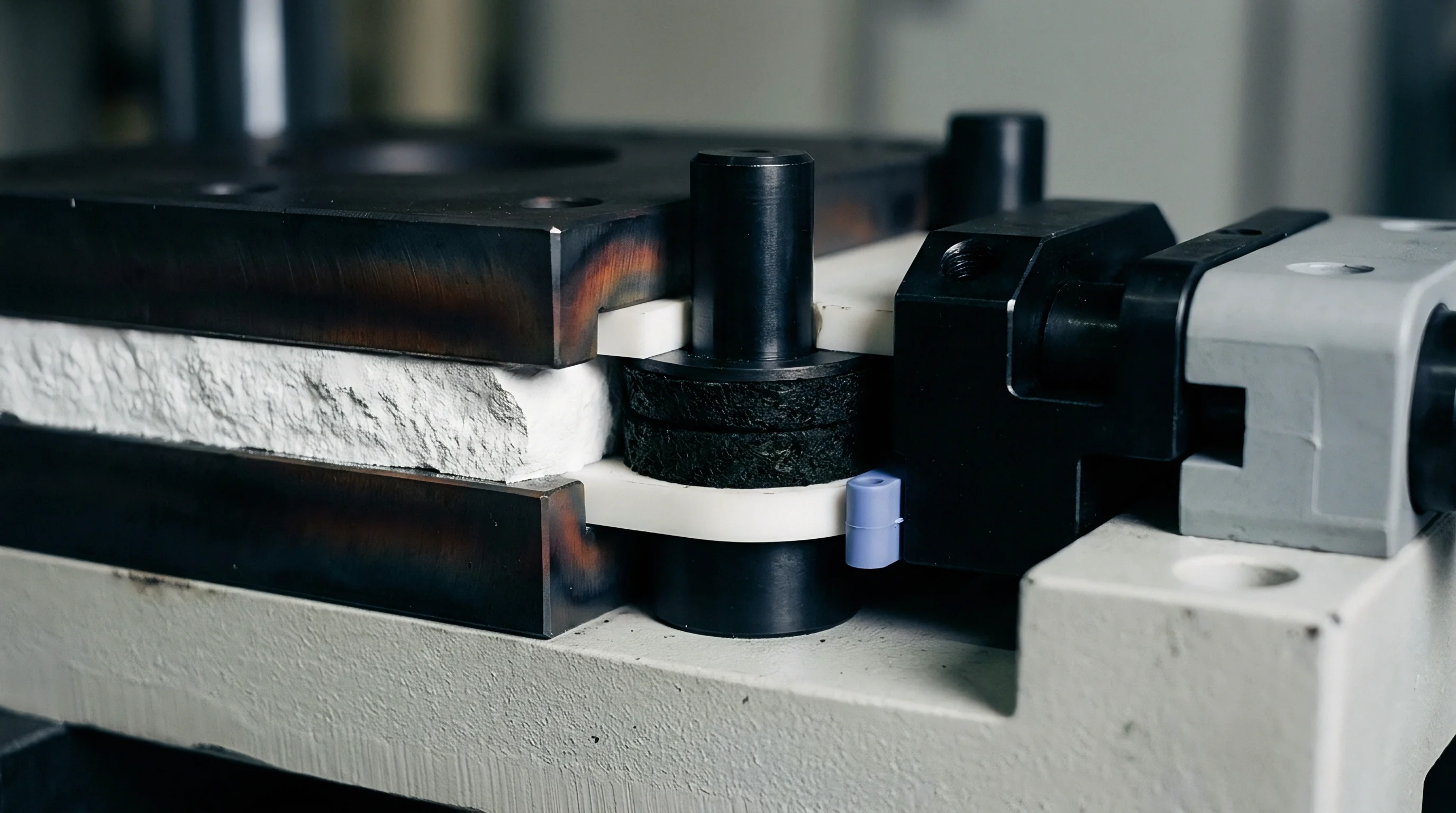
Loss of structural performance in polyolefins shows up as a gradual drop in ductility, impact toughness, and stress crack resistance. Latent hydroperoxides in re-stabilized compounds decompose slowly during storage and under load, severing chains in amorphous zones between crystalline lamellae. As tie molecules connecting adjacent crystallites cleave, the network loses its ability to transfer stress across the microstructure.

Tensile Yield and Elongation Decay
Tensile testing to ISO 527 outlines clear stages of degradation. Yield stress stays nearly constant early on because it depends mainly on crystalline fraction and lamellar thickness. Elongation at break drops sharply as tie molecules break in amorphous regions, shifting behavior from ductile necking to sudden brittle fracture under tension.
| Polymer Base | Hydroperoxide Content (µmol/g) | Initial Tensile Elongation (%) | Aged Tensile Elongation (%) | Initial Notched Izod (kJ/m²) | Aged Notched Izod (kJ/m²) |
|---|---|---|---|---|---|
| Polypropylene Homopolymer Flake | 12 | 380 | 110 | 4.2 | 1.8 |
| Polypropylene Copolymer Flake | 8 | 520 | 240 | 8.5 | 4.1 |
| HDPE Injection Grade Flake | 25 | 650 | 85 | 12.0 | 3.5 |
| HDPE Blow Molding Grade Flake | 18 | 780 | 190 | 18.0 | 7.2 |
A hydroperoxide level of 100 micromoles per gram in polypropylene flake reduces elongation at break from 450 percent to 45 percent after 300 hours at 100 degrees Celsius under ASTM D638 testing. Severe embrittlement occurs without visible surface changes; micro-cracks form within amorphous zones and propagate under load until catastrophic failure.

Environmental Stress Cracking and Slow Crack Propagation
Environmental stress crack resistance measured under ASTM D1693 tracks susceptibility to slow crack growth. Latent hydroperoxides accelerate crack growth by weakening amorphous tie-molecule networks. Surfactants or liquids infiltrate micro-voids, swelling the matrix and lowering the energy needed for chains to disentangle.
Impact strength degrades faster than static tensile modulus under latent oxidative stress. Notched Izod values for polypropylene per ISO 180 fall rapidly once chain scission drops molecular weight near the entanglement threshold. Without rapid plastic deformation at the notch tip, stress cannot relax, forcing brittle fracture.
Polypropylene flake compounds containing latent hydroperoxides above 15 micromoles per gram exhibit a 42 percent drop in notched Izod impact strength after 500 hours of oven aging at 90 degrees Celsius.
Designing load-bearing parts with re-stabilized flake containing unquantified hydroperoxides causes sudden field failures under fatigue or environmental exposure ~ leading to warranty claims, recalls, and structural failure.

Silo
Verifying incoming post-consumer flake requires analytical methods sensitive to micromolar levels of reactive oxygen. Routine quality checks like melt flow rate and density miss latent hydroperoxides because ambient testing does not trigger dissociation. Compounders must establish lab protocols to quantify residual oxidation before unloading flake into production silos.
Which Analytical Method Isolates Latent Hydroperoxides?
Iodometric titration yields an absolute measure of hydroperoxide concentration. Flake samples are dissolved in refluxing xylene or chlorobenzene under nitrogen; potassium iodide reacts with dissolved hydroperoxides, freeing iodine that is titrated with sodium thiosulfate. Detection extends down to 1 micromole of active oxygen per gram of polymer.
| Test Method | Standard Reference | Sample Preparation | Detection Limit | Test Duration |
|---|---|---|---|---|
| Iodometric Titration | ASTM E298 Modified | Solvent Dissolution under N₂ | 1 µmol/g | 120 Minutes |
| Chemiluminescence | ISO 23560 | Solid Micro-Specimen Direct | 0.1 µmol/g | 15 Minutes |
| FTIR Carbonyl Index | ASTM D5576 | Pressed Thin Film (100 µm) | 10 µmol/g | 10 Minutes |
| DSC Oxidation Onset Temperature | ISO 11357-6 | Solid Specimen inside Aluminum Pan | Indirect Metric | 45 Minutes |
Chemiluminescence provides high sensitivity for detecting radical recombination during hydroperoxide breakdown. Heating solid samples inside a light-tight chamber releases photon emissions proportional to peroxide concentration. The non-destructive test needs less than ten milligrams of material and measures hydroperoxides down to 0.1 micromoles per gram.
Thermal Analysis and Oxidation Induction Protocols
Differential scanning calorimetry evaluates oxidation induction time per ASTM D3895 or ISO 11357-6. Samples are heated to 200 degrees Celsius under nitrogen before switching to pure oxygen. The delay between oxygen exposure and exothermic oxidation marks the induction time; latent hydroperoxides sharply shorten this interval by triggering immediate oxidation.
- Fourier Transform Infrared Spectroscopy measures absorbance at 1715 cm⁻¹ to calculate carbonyl index as an indicator of past oxidation.
- Differential Scanning Calorimetry records exothermic energy during oxidation to measure remaining stabilizer capacity.
- Iodometric Titration Assay measures liberated iodine to determine active oxygen concentration per gram of polymer.
- Melt Flow Rate Drift Analysis tracks viscosity shifts over repeated extrusion cycles to project molecular weight decay.
Fourier transform infrared spectroscopy evaluates carbonyl absorbance at 1715 cm⁻¹ against methylene reference bands at 1460 cm⁻¹. Carbonyl index tracks stable degradation products ~ ketones, aldehydes, and carboxylic acids ~ rather than active hydroperoxides. Carbonyls are inert endpoints, whereas hydroperoxides serve as initiation sites for future mechanical loss.
Specification under ASTM D3895 mandates an oxidation induction time exceeding 30 minutes at 200 degrees Celsius to qualify re-stabilized recycled polyolefin lots for structural outdoor applications.
Purchase agreements for structural recycled flake should mandate residual hydroperoxides below 5 micromoles per gram, measured by iodometric titration, before accepting shipments.


Ledger
Recycled polyolefin economics depend on balancing raw flake discounts against additive expenses and yield loss. Post-consumer flake carries a 20 to 40 percent discount over prime virgin resin. Upgrading degraded flake into engineering-grade compound requires higher secondary stabilizer loading, narrowing that cost advantage.

Landed Cost Dynamics of Re-Stabilized Polymer Flake
Determining true landed cost per good part requires accounting for additive let-down, scrap rates from unstable processing, and warranty exposure. Standard re-stabilization adds 0.08 to 0.18 Euros per kilogram. High-hydroperoxide flake requires specialized decomposers and hindered amine light stabilizers, pushing additive costs past 0.35 Euros per kilogram.
| Resin Formulation | Base Pellet Cost (€/kg) | Additive Cost (€/kg) | Molding Scrap Rate (%) | Net Cost Per Good Part (€) |
|---|---|---|---|---|
| Virgin HDPE Pipe Grade | 1.55 | 0.00 | 1.2 | 0.785 |
| Standard Re-Stabilized Flake Compound | 1.05 | 0.12 | 5.8 | 0.622 |
| Deep-Purged High-AO Flake Compound | 1.05 | 0.38 | 2.1 | 0.728 |
| Unstabilized Scrap Flake Compound | 0.82 | 0.00 | 14.5 | 0.480 |
Consider a 40-tonne order of recycled polypropylene flake bought at 1,000 Euros per tonne. Standard stabilization adds 150 Euros per tonne. If unquenched hydroperoxides cause a 4 percent reject rate from assembly breakage, effective resin cost rises to 1,198 Euros per tonne of good parts ~ rapidly eroding the initial discount.

Commercial Dossiers and Verification Clauses
Purchase specifications for structural recycled polyolefins require clear documentation. RFQs should demand transparency on raw material origin, processing history, and additive let-down protocols. Certificates of analysis need verified oxidation induction times alongside melt flow values to confirm stability.
- Certificate of Analysis specifies virgin let-down ratio, antioxidant loading, and lot melt flow rate.
- Accelerated Oven Aging Dossier presents mechanical retention curves over 1,000 hours of thermal exposure at 90 degrees Celsius.
- Residual Hydroperoxide Certificate confirms active peroxide levels stay below agreed micromolar thresholds.
- Batch Traceability Log documents thermal history, wash quality metrics, and extrusion conditions for each production lot.
Compounding data indicates that keeping residual hydroperoxides below 5 micromoles per gram helps prevent field embrittlement over a five-year lifecycle, though long-term UV and thermal exposure data remains incomplete. Buyers hedge against this uncertainty by requiring a minimum oxidation induction time of 40 minutes at 200 degrees Celsius in purchase agreements.
Primary antioxidants quench active free radicals during thermal processing while secondary antioxidants decompose accumulated hydroperoxides during long-term solid-state storage.
Which financial threshold balances secondary antioxidant expenditure against field liability costs from premature brittle failure in structural post-consumer parts?

Margin
Tailoring formulations allows resin specifiers to maximize recycled content without compromising structural performance. Matching additive chemistry to incoming hydroperoxide levels avoids over-stabilization while suppressing downstream degradation. Blends combining hindered phenols, phosphites, and hydroxylamines protect against both melt shear breakdown and solid-state oxidation.

Calculated Lifetime Value across Regrind Levels
Blending virgin polyolefin with recycled flake dilutes latent hydroperoxides linearly. A 50 percent virgin let-down halves active hydroperoxide density, lowering secondary antioxidant consumption during molding. This improves processing stability, reduces reject rates, and meets recycled-content mandates.
Process control in compounding relies on monitoring melt rheology and oxidative stability. Adjusting vacuum degassing, barrel temperature profiles, and feed rates preserves additive integrity and maximizes hydroperoxide breakdown inside the barrel. Standardized incoming verification ensures material consistency before compounding.
Testing for latent hydroperoxides turns recycled polyolefin sourcing from a high-risk commodity purchase into a predictable engineering decision. Quantifying active oxygen species enables precise additive tuning, preserving mechanical performance while maintaining raw material savings across long production runs.