Meaning
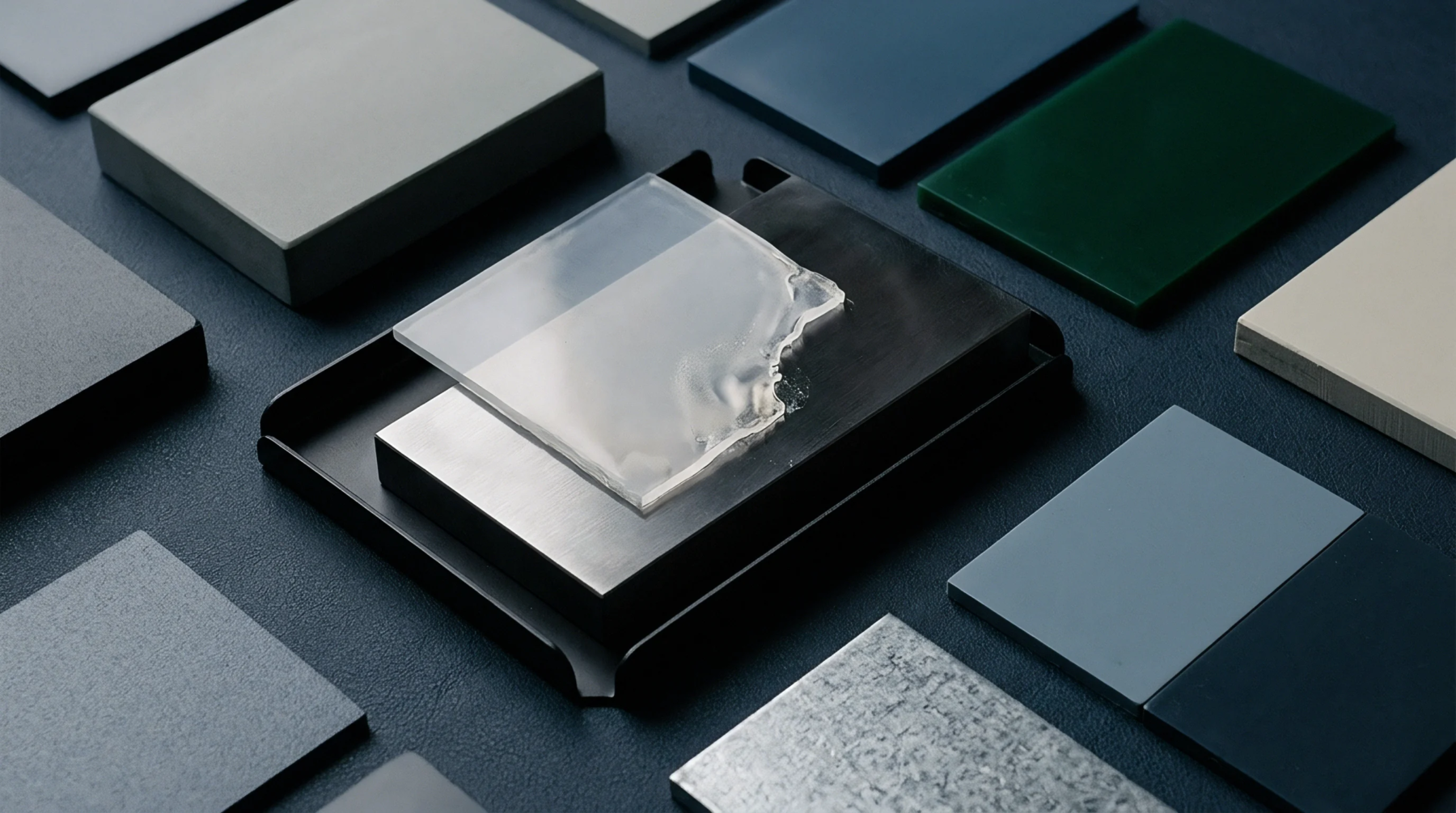
Martensitic chromium-molybdenum-vanadium alloyed tool steel represents a high-purity product refined through electro-slag remelting processes. This specific variant of stavax esr provides uniform carbide distribution and consistent mechanical properties throughout large cross-sections. Refinement reduces non-metallic inclusion content which minimizes internal stress concentrations during quenching operations.
The chemical composition ensures high corrosion resistance for plastic moulds that require frequent exposure to acidic vapours or moisture.
Tooling Geometry
High polishability remains the defining characteristic of this metallurgical grade when subjected to abrasive finishing techniques. Machining centres utilize stavax esr to produce optical quality surfaces that maintain dimensional stability under the cyclic thermal loads of continuous injection cycles. Cavities constructed from this material resist pitting or degradation even when processing polymers that release corrosive by-products during degradation.
Careful heat treatment cycles allow the steel to achieve a balanced hardness that resists compressive deformation while remaining tough enough to avoid brittle fracture under heavy clamping forces.
Material Performance
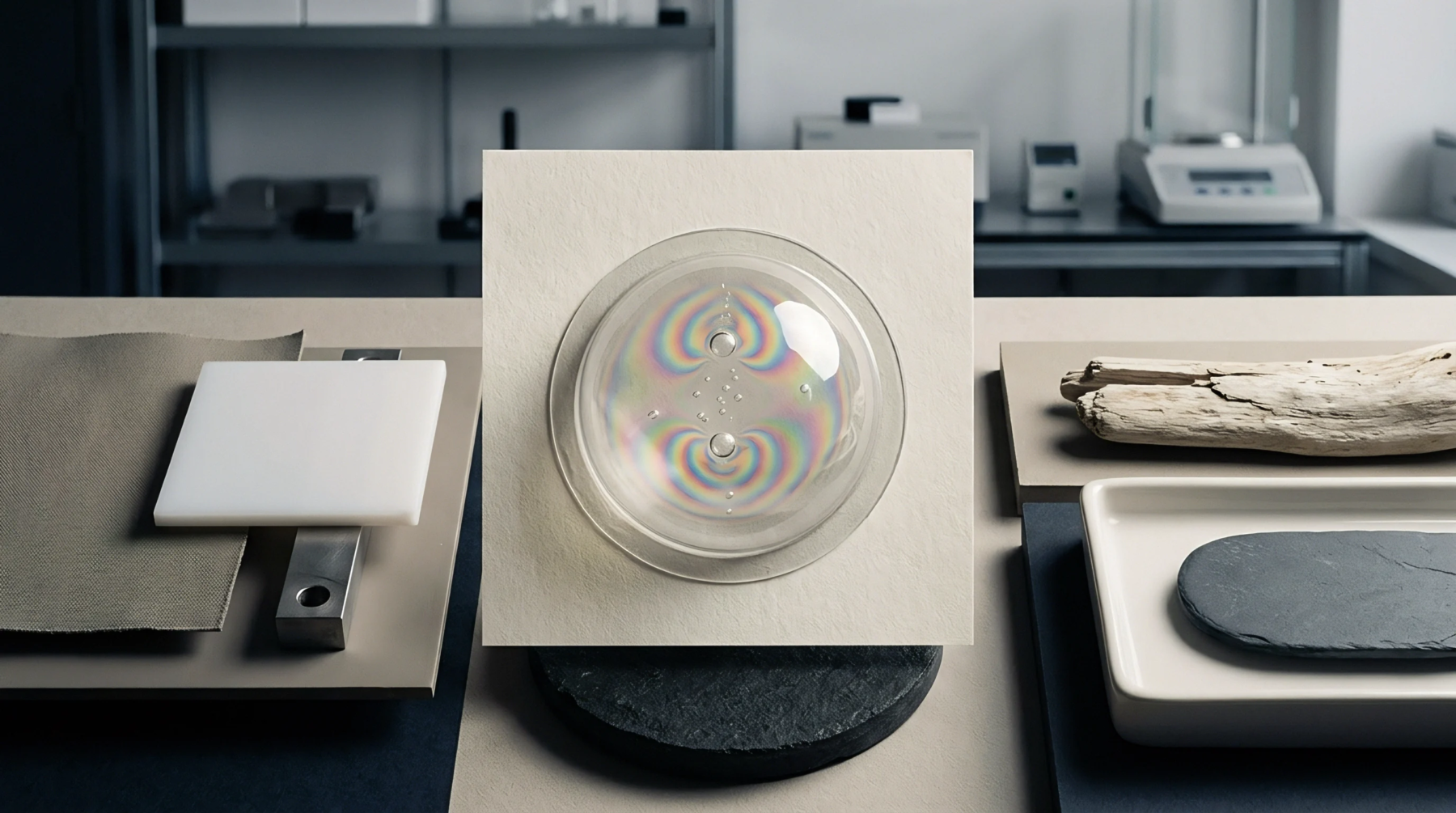
Virgin resin purity governs the successful application of the tool steel because even trace contaminants accelerate chemical attack on cavity walls. Moulders verify that mould temperatures stay within the specified range to prevent the surface softening that occurs when the operating window shifts. Part specifications dictate the required cavity finish and the steel selection directly dictates the maintenance interval for polishing between production runs.
Economics of tooling favour this grade when long-term production runs exceed the capacity of lower cost stainless alternatives because the cost of unplanned downtime outweighs the initial material premium.
Thermal Consistency
Proper thermal management through internal cooling channels relies on the predictable heat transfer capacity of the refined steel matrix. Stavax esr supports high heat conductivity which allows faster cycle times through uniform heat extraction across the mould face. Uneven cooling creates residual stresses that warp the finished plastic parts or trigger premature failure of the tool steel itself.
The refinement process ensures that the thermal expansion coefficients remain isotropic throughout the entire billet. A well-designed mould maintains precise tolerance bands because the alloy structure resists the creep associated with high-pressure molding.