Meaning
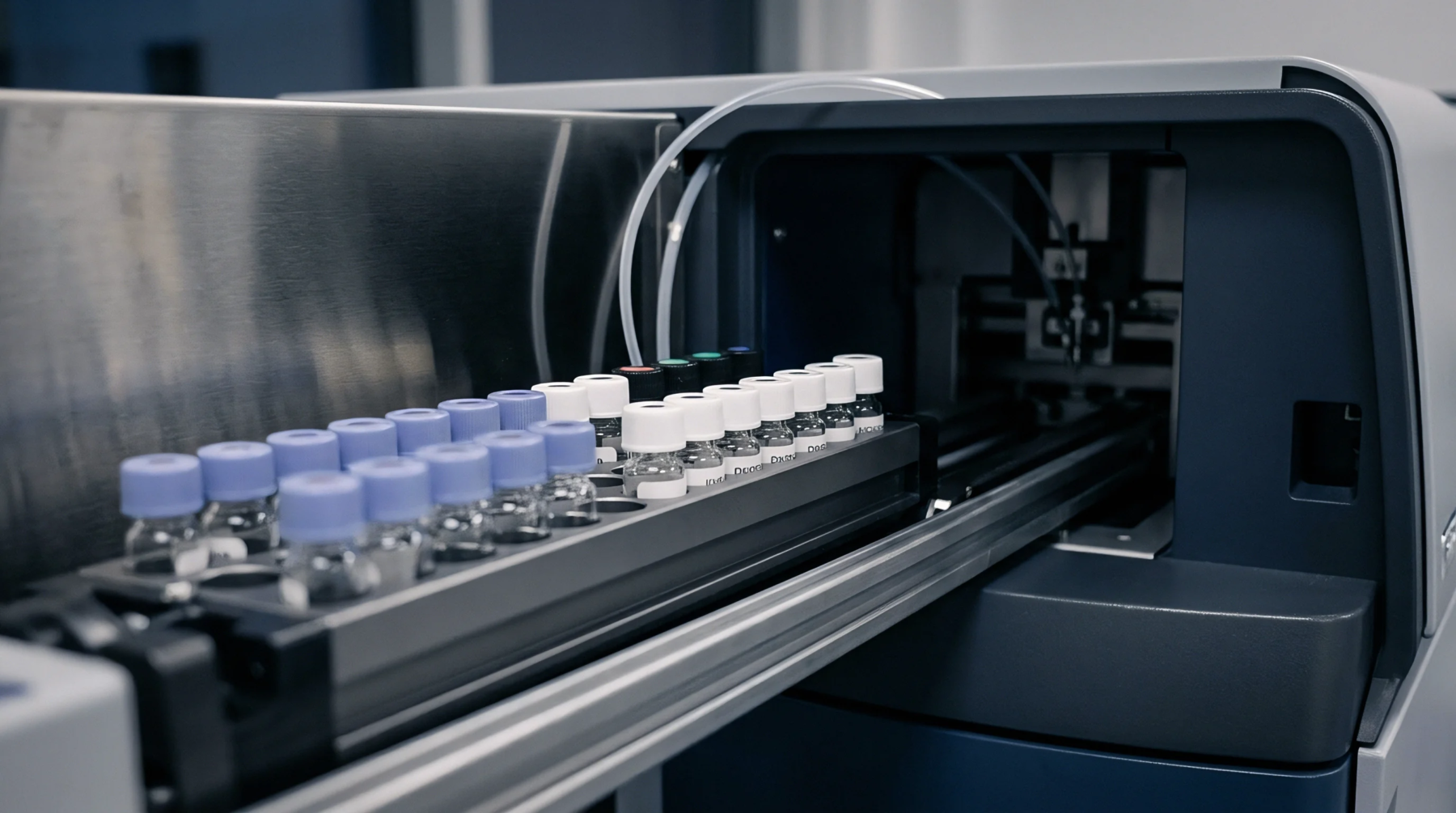
Analytical instrumentation separates complex chemical mixtures through pressurized fluid flow and subsequent molecular identification via ion mass detection. Liquid chromatography mass spectrometry functions by forcing dissolved compounds through a stationary phase column, where interactions based on polarity or molecular weight cause distinct elution times. Each separated molecule transitions into a charged gaseous state, passing into a mass spectrometer for fragmentation and detection.
The method provides precise molar mass data and structural identification of unknown substances within polymer additives or raw material contaminants. It excludes non-volatile solid samples that lack solubility in carrier solvents.
Performance Metric
Molecular weight determination relies on the accuracy of the mass to charge ratio measured by the analyzer. Liquid chromatography mass spectrometry allows operators to calculate exact isotopic distributions by comparing signal intensities against known molecular fragments. Stable ionization occurs when the carrier flow rate remains consistent with the spray voltage, preventing signal drift during long analytical sequences.
Frequent calibration against reference standards prevents instrument saturation and maintains the integrity of the data output. A deviation in the injection volume leads to non-linear detector response, rendering quantitative analysis unreliable for high purity monomer testing.
Resin Analysis
Polymer additives such as antioxidants and ultraviolet stabilizers require identification to verify material performance against datasheet specifications. Liquid chromatography mass spectrometry isolates these specific compounds from the bulk resin matrix, identifying chemical degradation or additive migration occurring after thermal processing. The detection limit allows for the quantification of trace contaminants that might trigger part failure under mechanical stress.
Virgin resins often contain specific stabilizer packages that define their long term service life, whereas regrind materials show altered concentrations indicative of thermal history. A moulder uses these measurements to ensure the incoming feedstock meets the chemical requirements for the final application, preventing the use of substandard material that could jeopardize batch consistency.
Injection Parameters
Processing variables like melt temperature or hold pressure change the chemical state of additives before they enter the final part geometry. Liquid chromatography mass spectrometry monitors the thermal breakdown of flame retardants, providing evidence of molecular changes induced by high shear forces in the barrel. When stabilizers decompose during residence time, the physical properties of the part suffer from reduced impact resistance or yellowing.
Data from this analytical procedure informs the adjustment of cycle times to preserve the chemical structure of the polymer compounds. Precise control over these thermal transitions prevents the formation of voids or surface blemishes caused by volatile decomposition products. A change in the mass spectrum of the extruded product correlates directly with the degradation of mechanical strength in the moulded component.