
Low Frequency Shear Rheology Metrics for Assessing Extrudate Swell in Bimodal Pipe Resins
Low frequency storage modulus G prime below 0.1 rad/s isolates high molecular weight elastic recovery to predict bimodal pipe swell and prevent over-extrusion.
Low frequency storage modulus G prime below 0.1 rad/s isolates high molecular weight elastic recovery to predict bimodal pipe swell and prevent over-extrusion.
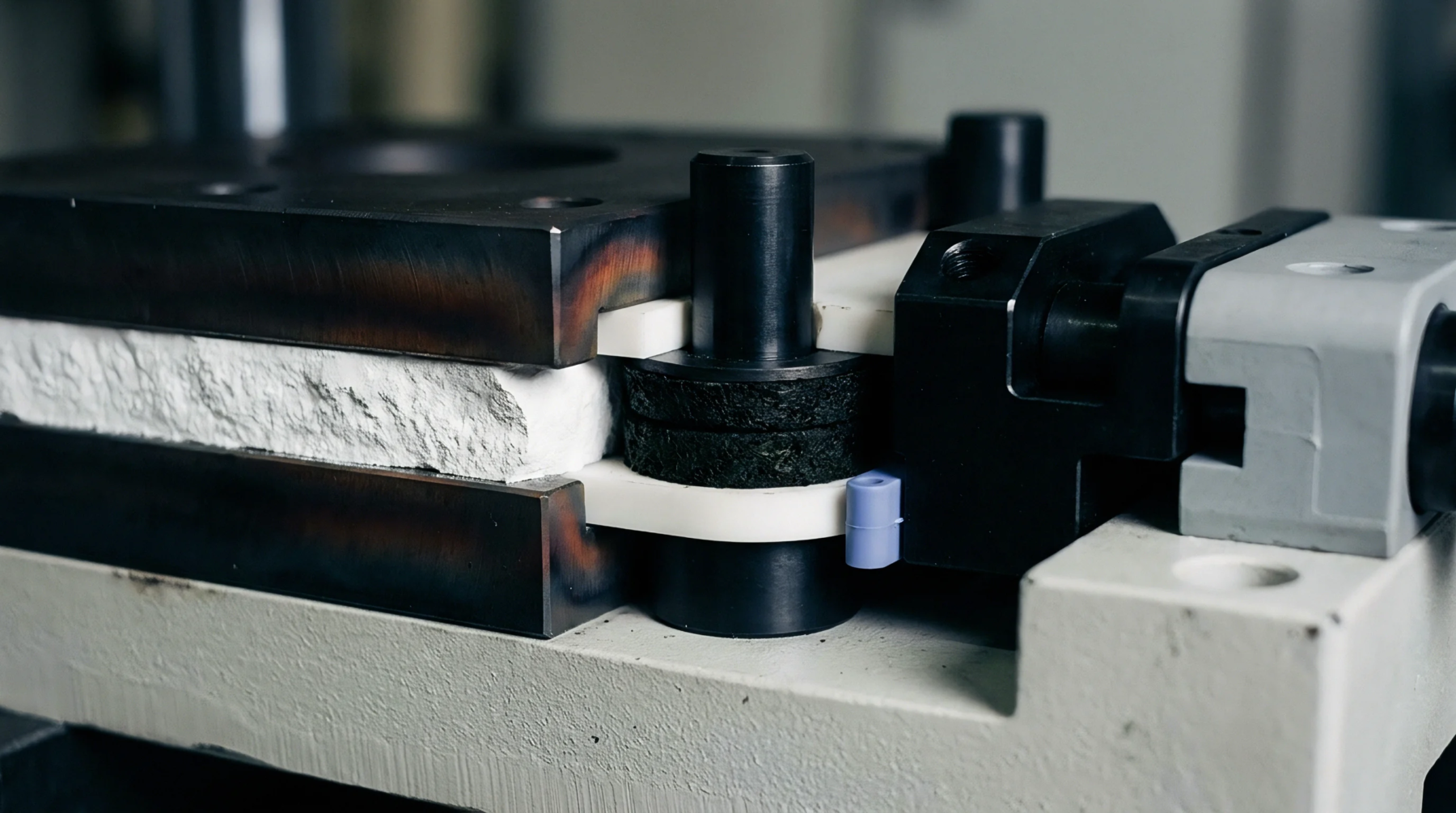
Dynamic frequency sweeps isolate polyolefin molecular weight distribution and branching where melt index fails, fixing processability and reject thresholds.

Correcting capillary rheometry data via Bagley and Rabinowitsch protocols is mandatory to prevent up to 50 percent viscosity errors in bimodal HDPE die design.

Polyolefin pricing follows naphtha via yield multipliers and co-product credits, requiring lagged pass-through contract terms and strict incoming melt index audits.
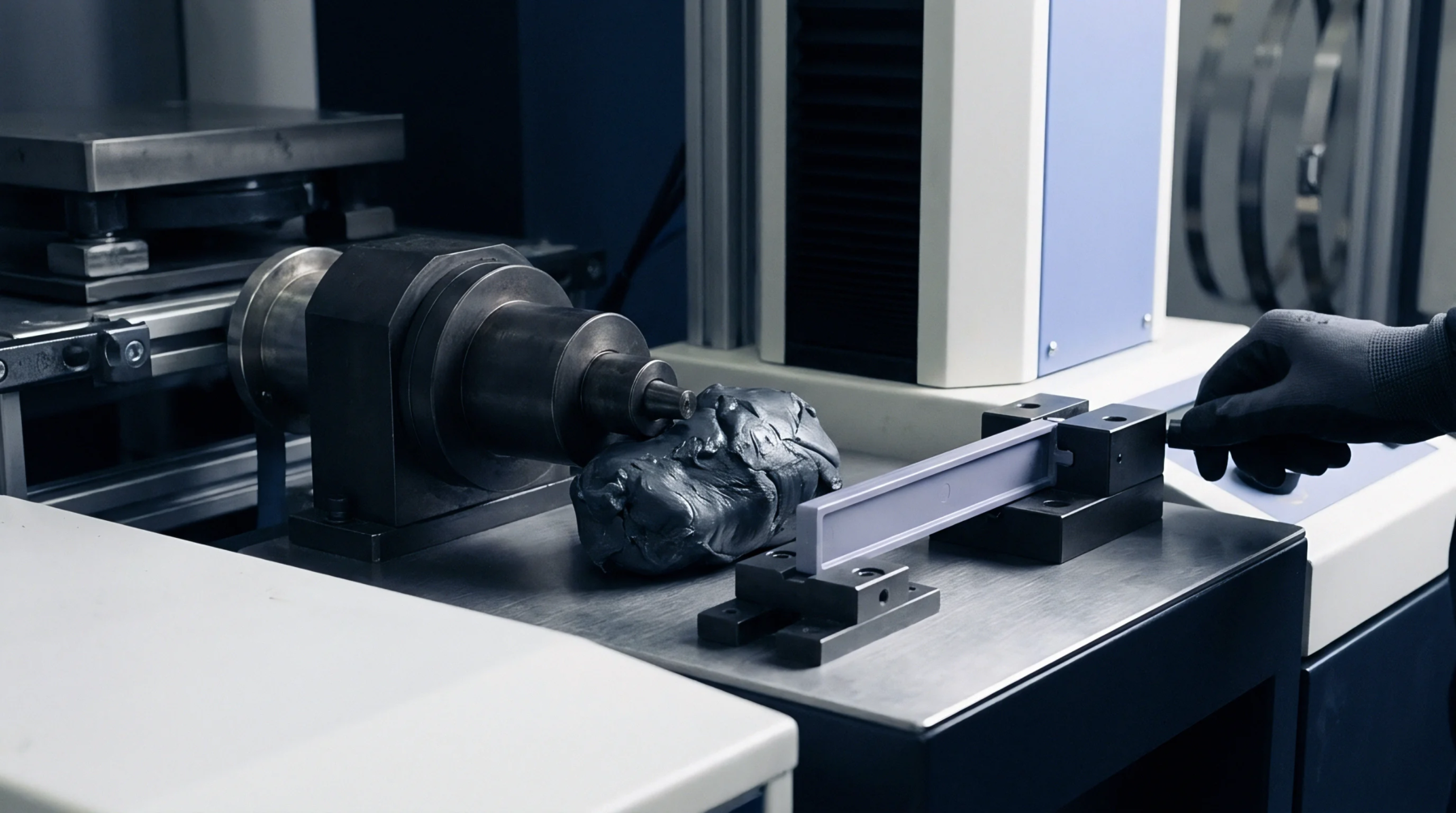
Bimodal HDPE shear thinning variations alter die swelling and sag resistance, forcing wall thickness adjustments and increasing landed pipe cost.
Specifying exact standard test loads and flow rate ratios in polyethylene procurement contracts prevents costly processing failures and off-spec resin disputes.

Polyethylene sourcing requires specifying exact test loads, temperatures, and standards to isolate molecular structure and enforce contractual lot consistency.
Expertise is a utility, not a secret. sentiention™ publishes its working knowledge as open reference: intelligence layer covering the materials it sources, the markets it enters, and the reference that serves both.