Meaning
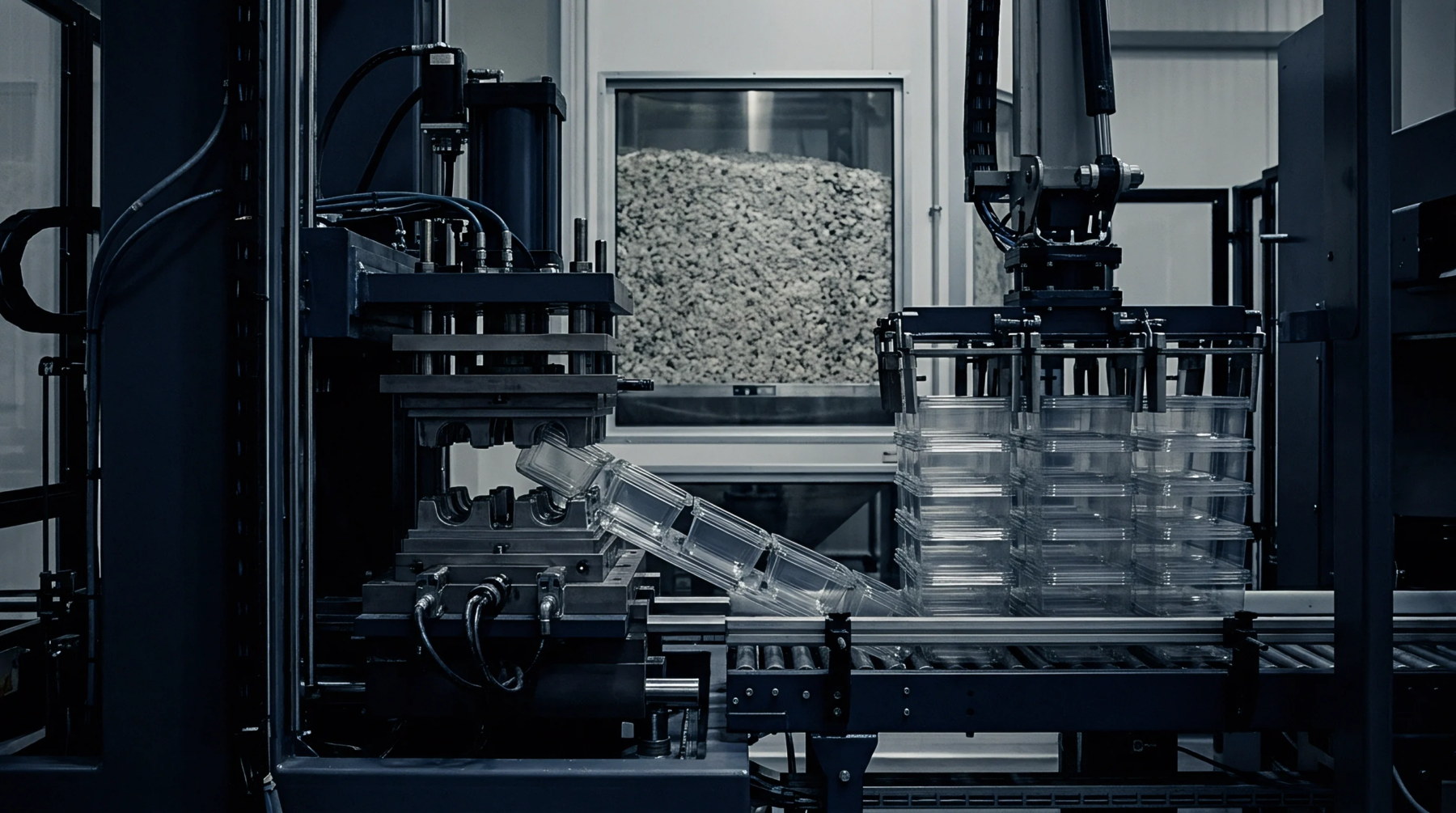
Pre-hardened chromium-molybdenum alloy steel provides a stable substrate for large-scale injection moulds where consistent machinability and dimensional stability are required. AISI P20 belongs to the category of plastic mould steels delivered in a quenched and tempered condition, typically reaching a hardness range between 28 and 32 HRC. This material specification governs the chemical composition and mechanical properties necessary for cavities and cores that operate under moderate pressure and heat.
Its application area spans moulds for thermoplastic materials where high mirror finishes are not the primary requirement but uniformity is necessary to prevent internal stress. The boundary of its utility stops at applications involving highly abrasive fillers or those requiring extreme corrosion resistance, as the alloy lacks the nickel or chromium density found in high-grade stainless tooling steels.
Tooling Performance
Manufacturers select this grade of steel because it offers a predictable response to sink and milling operations. Machining costs stay under control through the balanced sulfur content which promotes chip breakage without compromising the structural integrity of the steel block. Thermal conductivity remains adequate for cooling channel placement near the gate area to manage melt viscosity.
Problems arise when heat treatment exceeds the specified tempering range because the microstructure suffers localized softening. Large mould plates constructed from this alloy maintain flatness after the removal of substantial material because the internal stresses are relieved during the initial mill heat treatment. Deformation during the life of the tool decreases when the mould base vendor performs stress-relieving cycles after rough machining.
Moulding Economics
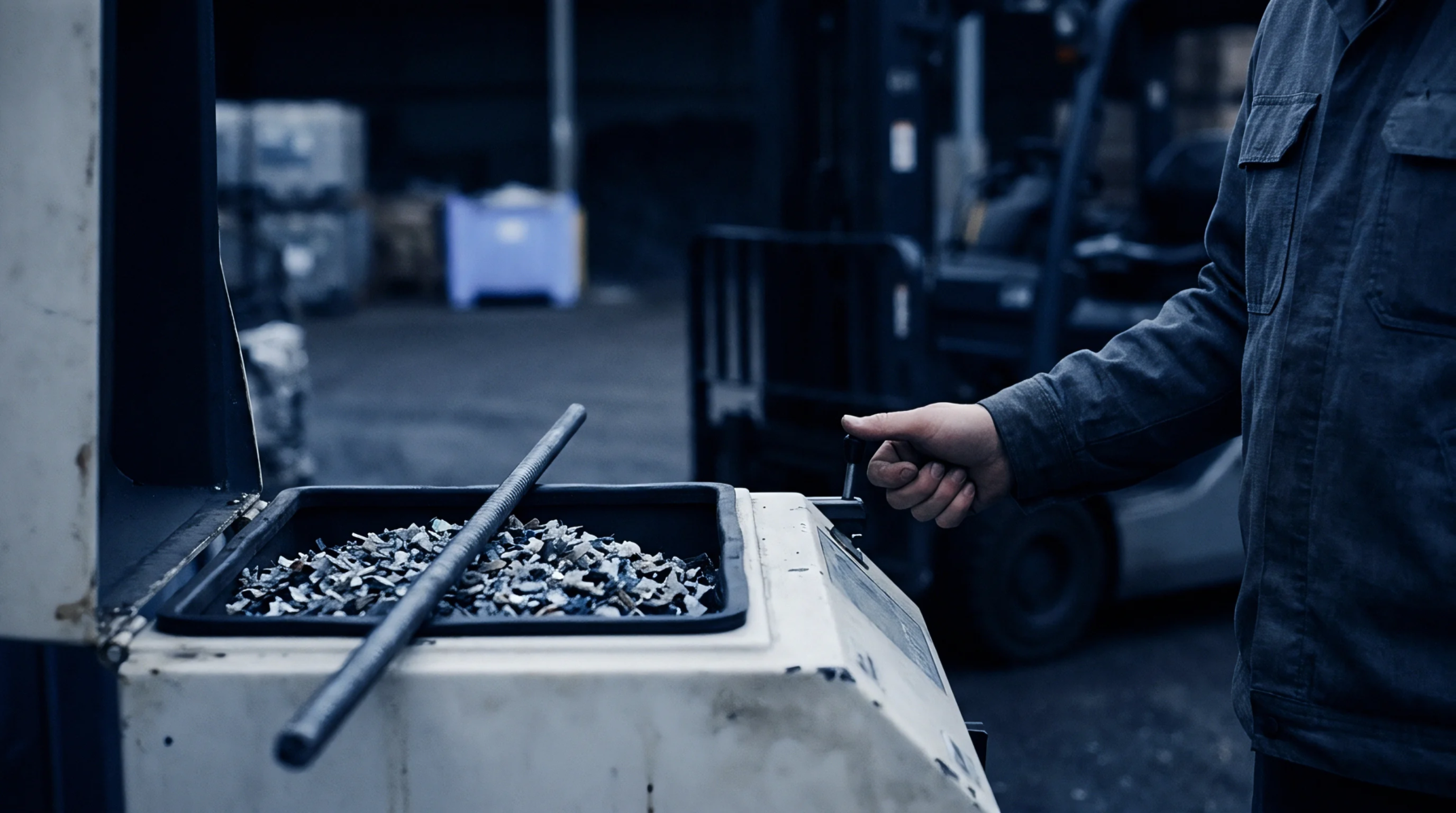
Virgin metal costs stay predictable across standard production runs compared to specialized powder metallurgy alternatives. Moulders benefit from the ability to weld the steel during emergency repairs or design changes, a process that requires preheating to prevent brittle zones near the weld bead. Regrind usage in the polymer feed stream introduces abrasive particles that accelerate the wear of tool surfaces made of this soft alloy, leading to higher maintenance frequency.
Datasheet values represent laboratory conditions that rarely reflect the physical reality of a moulder who pushes cavity pressures toward the upper limits of the injection machine. Part quality depends on the ability of the steel to withstand clamping force without shifting, as drift in the tool alignment ruins flash tolerances. Costs escalate rapidly when the moulding cycle requires high-speed operation, as the relatively low hardness of the alloy allows for surface peening and mechanical fatigue in the gate region.
Material Specification
Chemical balancing of carbon, manganese and silicon determines the final toughness of the block. Chromium additions between one and two percent improve hardenability, ensuring the cross section of a large block achieves uniform properties from the surface to the core. Molybdenum maintains the strength of the matrix during the elevated temperatures seen in rapid cycling production.
Manufacturers certify these elements to ensure the steel responds correctly to finish machining and light polishing operations. Precision in the supply chain minimizes the inclusion of non-metallic contaminants that cause pits during the final polishing stage of the mould. Correct identification of the alloy ensures the final product survives the intended service life.