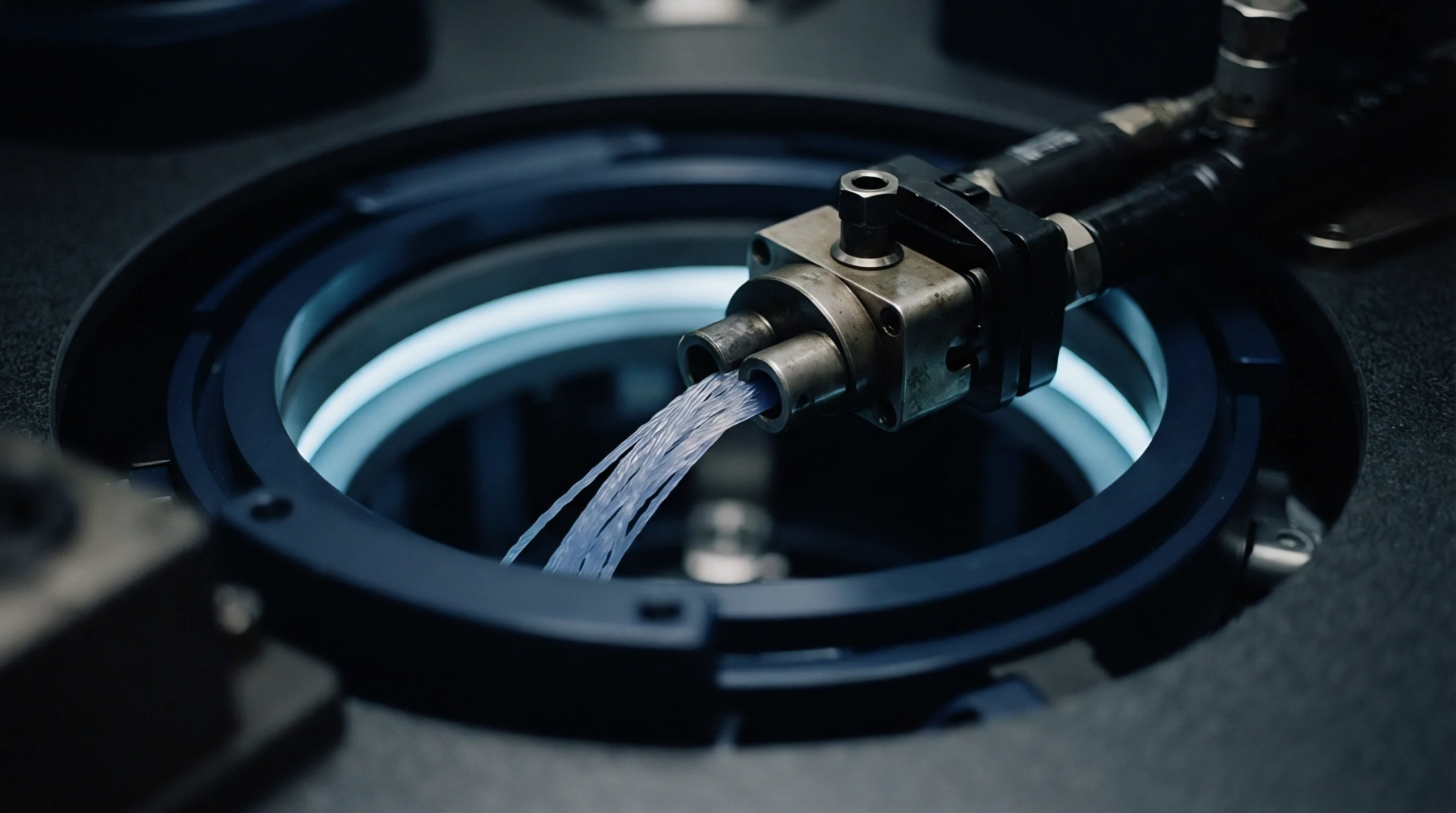
Capillary Rheology Qualification Protocols for High Strain Extrusion Regrind
Twin-bore capillary testing at 1,000 to 10,000 s⁻¹ qualifies high-strain regrind by isolating entrance losses, true wall slip, and elastic die swell shifts.
Twin-bore capillary testing at 1,000 to 10,000 s⁻¹ qualifies high-strain regrind by isolating entrance losses, true wall slip, and elastic die swell shifts.
Melt flow rate thresholds for recycled polyolefin blends must be set using multi-load shear testing to bound contamination and prevent processing scrap.

Controlled rheology visbreaking lowers sub-zero polypropylene drop toughness by removing high molecular weight tie chains, demanding elastomer modification to prevent brittle container shatter.
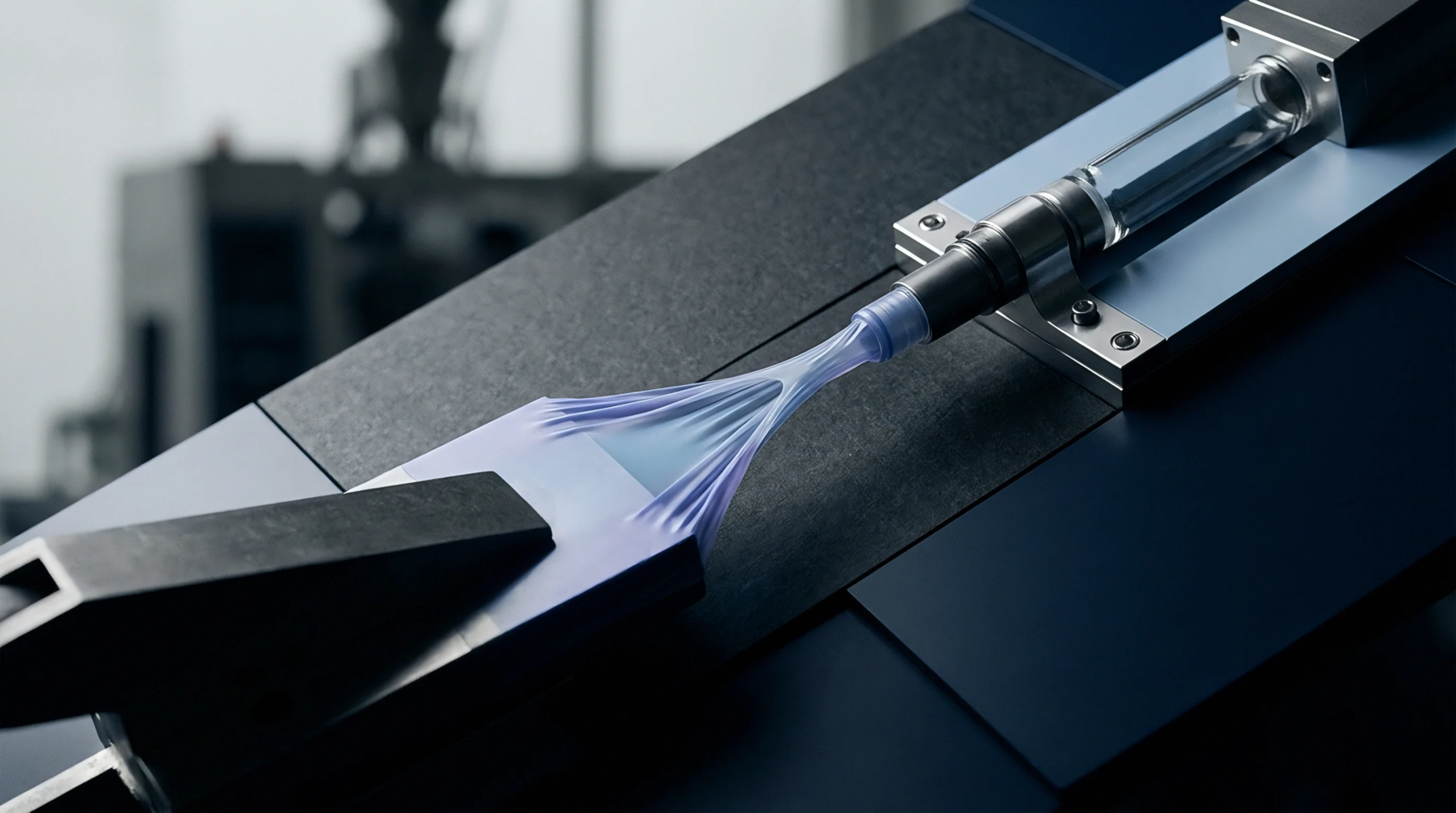
Matching plug speed to polymer disentanglement kinetics prevents corner thinning and optimizes wall thickness in deep draw thermoforming.

Polyethylene melt flow rate test load selection matches resin density and molecular weight to standard ASTM D1238 masses of 2.16 kg, 5 kg, or 21.6 kg at 190 °C.

Quantifying interfacial adhesion in recycled polyolefins requires measuring essential work of fracture and domain size to set compatibilizer dosage.

An unconditioned melt flow value lacks physical meaning without its test load, temperature, and standard protocol specified.
Detecting post-industrial additions relies on combining differential scanning calorimetry, high-shear viscosity sweeps, and oxidative induction testing on arrival.
Expertise is a utility, not a secret. sentiention™ publishes its working knowledge as open reference: intelligence layer covering the materials it sources, the markets it enters, and the reference that serves both.