Meaning
The design practice of ensuring that molten polymer reaches the fill gates of every cavity in a mold at the same time and pressure guarantees uniform part quality. This process, known as multi cavity balancing, governs the consistency of part weight and dimensions across all produced pieces. The concept applies to multi-impression tooling used in high-volume production and excludes single-cavity prototype molds where flow distribution is not an issue.
Flow Distribution
Runner diameters and gate sizes must be calculated to deliver equal flow resistance to each cavity. Multi cavity balancing prevents some cavities from overfilling while others are underfilled. Mold filling simulation software is used to design the runner system to achieve this flow parity.
Runner Optimization
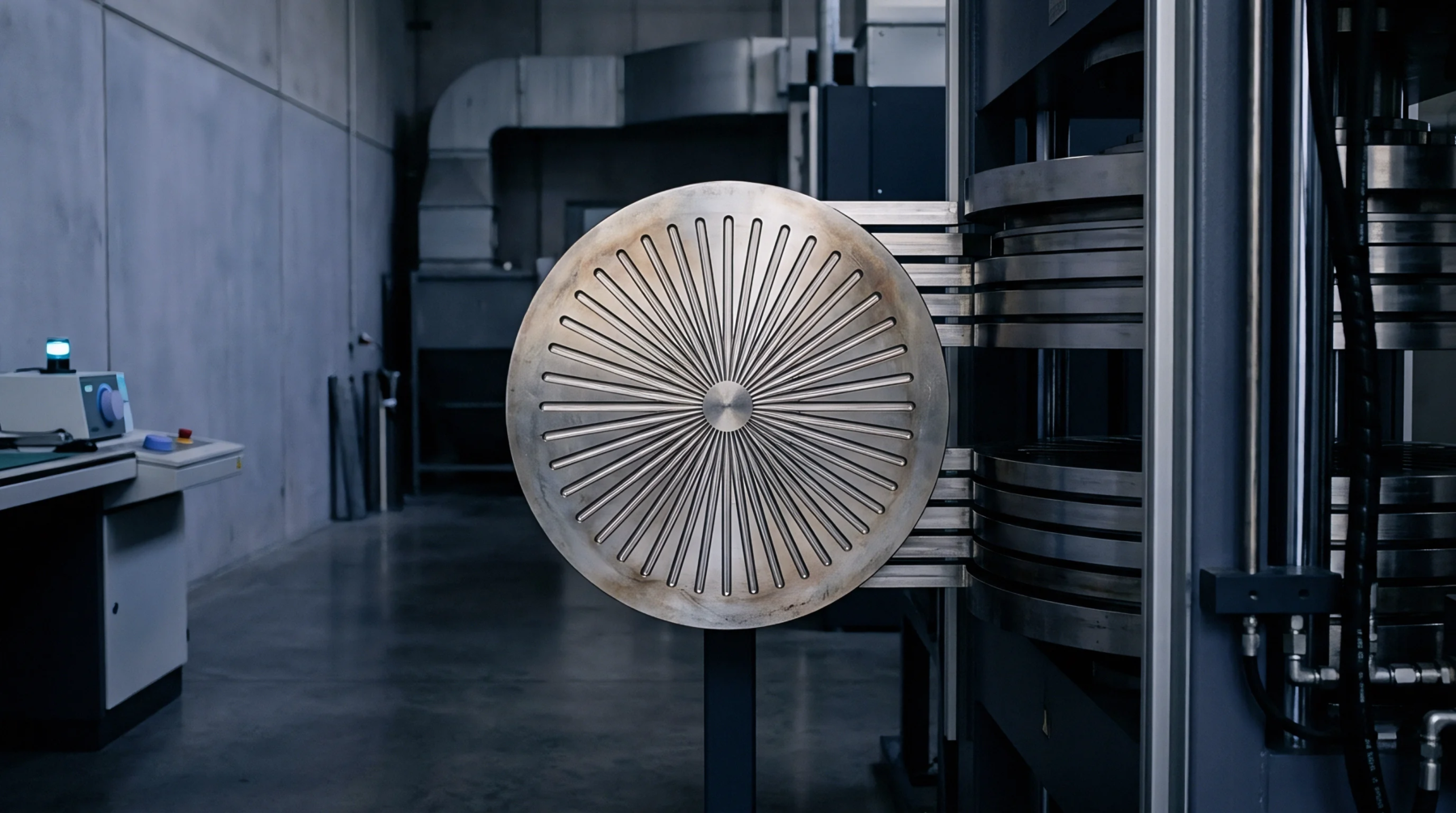
Naturally balanced runners utilize symmetrical flow paths that provide equal travel distances for the melt. When layout constraints require asymmetrical runners, the flow must be balanced by altering the gate land lengths or runner diameters. This geometry change compensates for the differences in flow length and pressure drop.
Production Yield
Unbalanced molds lead to high reject rates due to dimensional variation between parts molded in the same shot. Some cavities may produce parts with flash, while others produce parts with sink marks or short shots. Proper balancing ensures that all cavities produce acceptable parts within the same processing window.