Meaning
Injection moulding process control relies on cushion stability to maintain uniform shot delivery across continuous production runs. Screw position measurement at the end of the injection phase determines the remaining melt reserve inside the barrel. Polymer thermal expansion variations and check ring wear cause this residual layer to fluctuate during high volume manufacturing.
Tooling cavities experience localized flash or short shots whenever the melt boundary shifts beyond allowable millimetre limits. Resin viscosity shifts from batch to batch complicate position holding unless proportional valves adjust hydraulic pressures automatically.
Screw Clearance
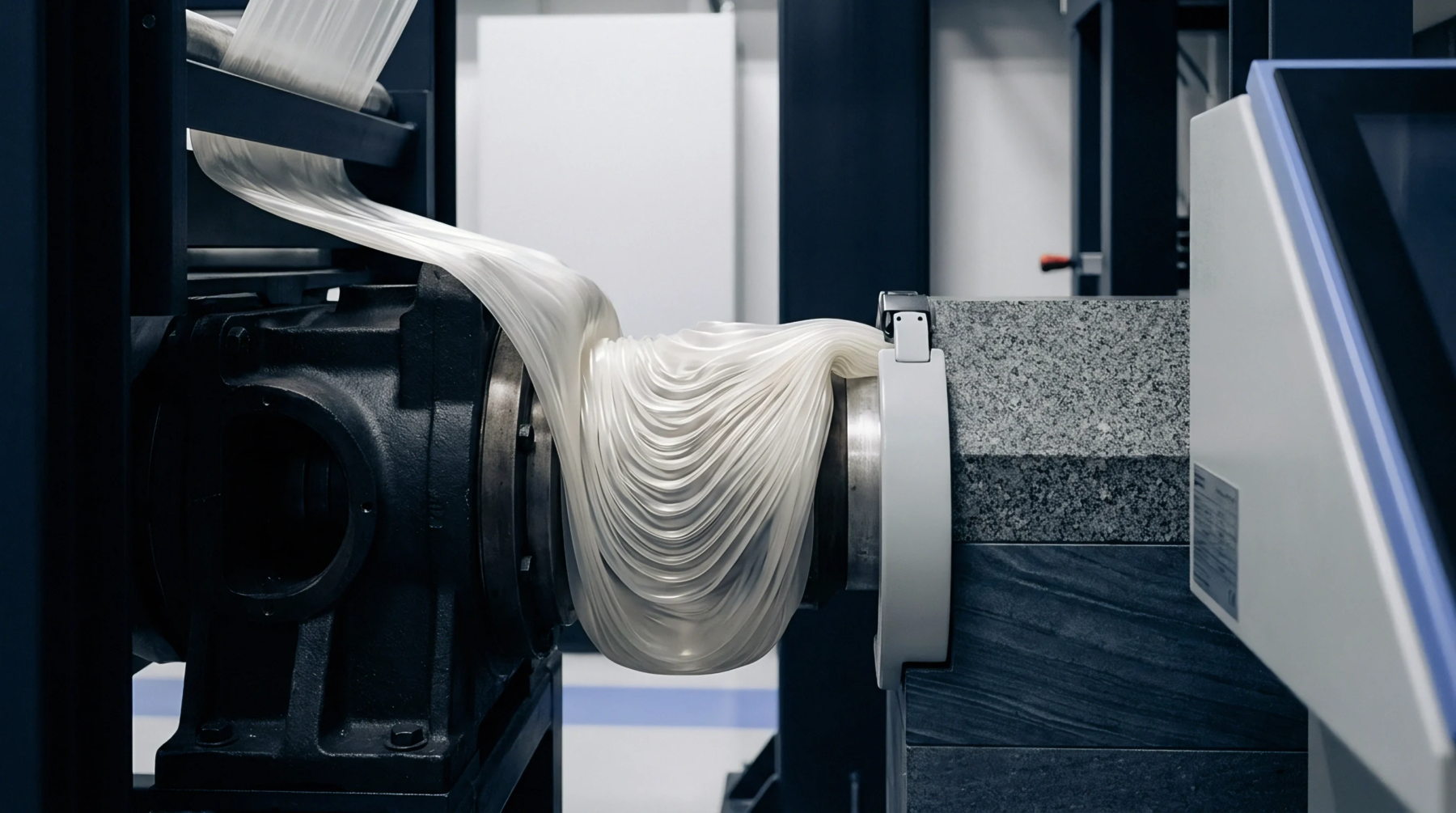
Barrel wear alters how molten thermoplastic flows past the nonreturn valve during forward travel. Polymer leakage reduces effective shot volume and forces the hydraulic drive to compensate by advancing the screw further forward. Clearance tolerances dictate whether regrind material behaves predictably alongside virgin pellets without introducing excessive melt slip.
Granule moisture content also changes friction coefficients inside the feed throat, which alters the starting point of screw recovery. Moulders must monitor recovery torque curves constantly because unstable feeding destabilizes the subsequent melt cushion prior to injection.
Shot Precision
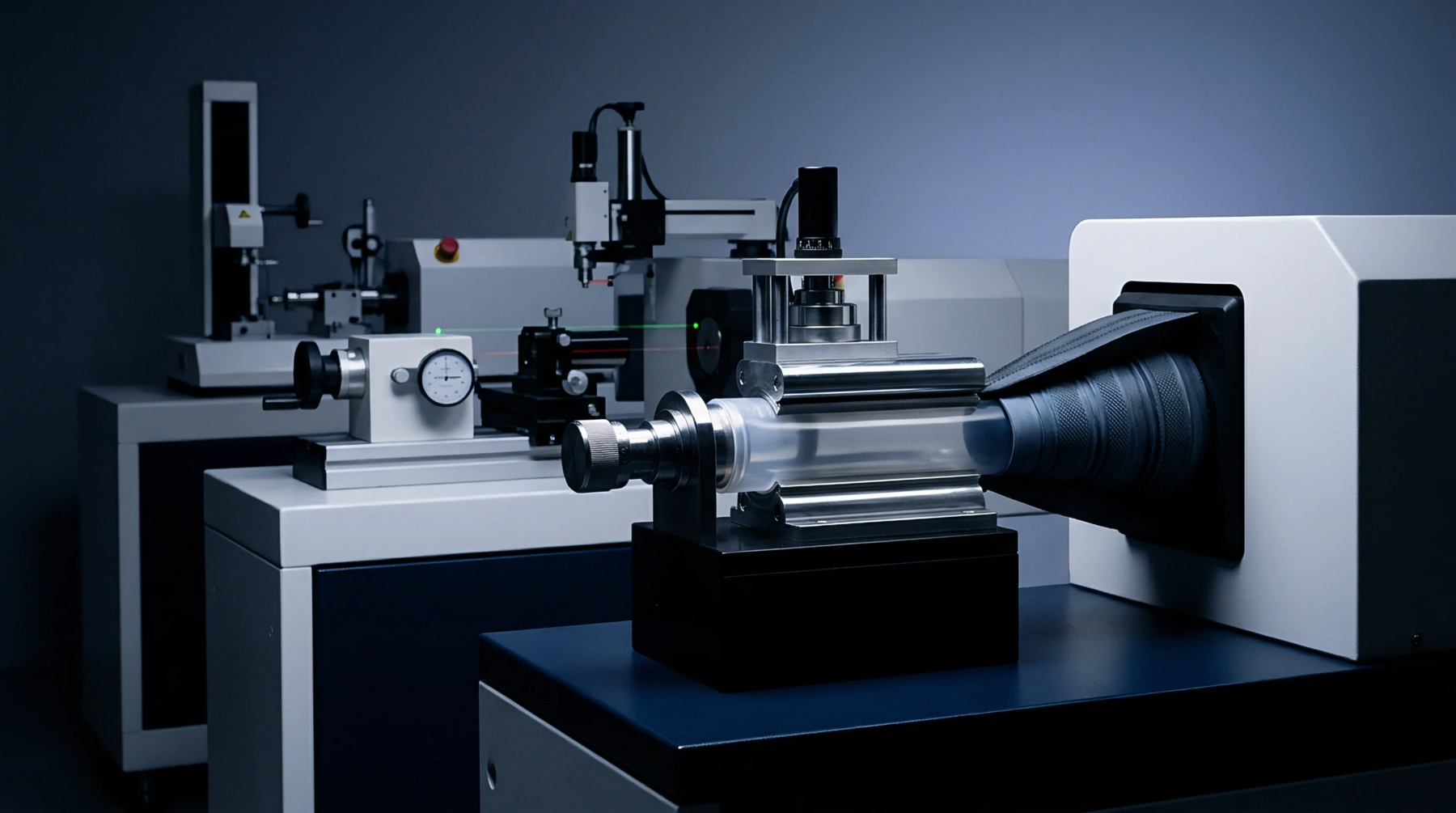
Final part weight depends entirely on holding constant volumetric displacement inside the mould cavity during cooling. Transducer calibration drift introduces measurement errors that mask actual cushion variations from the main controller. Hydraulic oil temperature fluctuations alter response times in proportional valves, causing overshoot during high speed injection strokes.
Material specification limits require that shot volume repeatability stays within narrow tolerances to prevent sink marks on thick wall sections. Process technicians establish baseline values using empty shot tests before mounting precision multicavity tooling.
Cavity Pressure
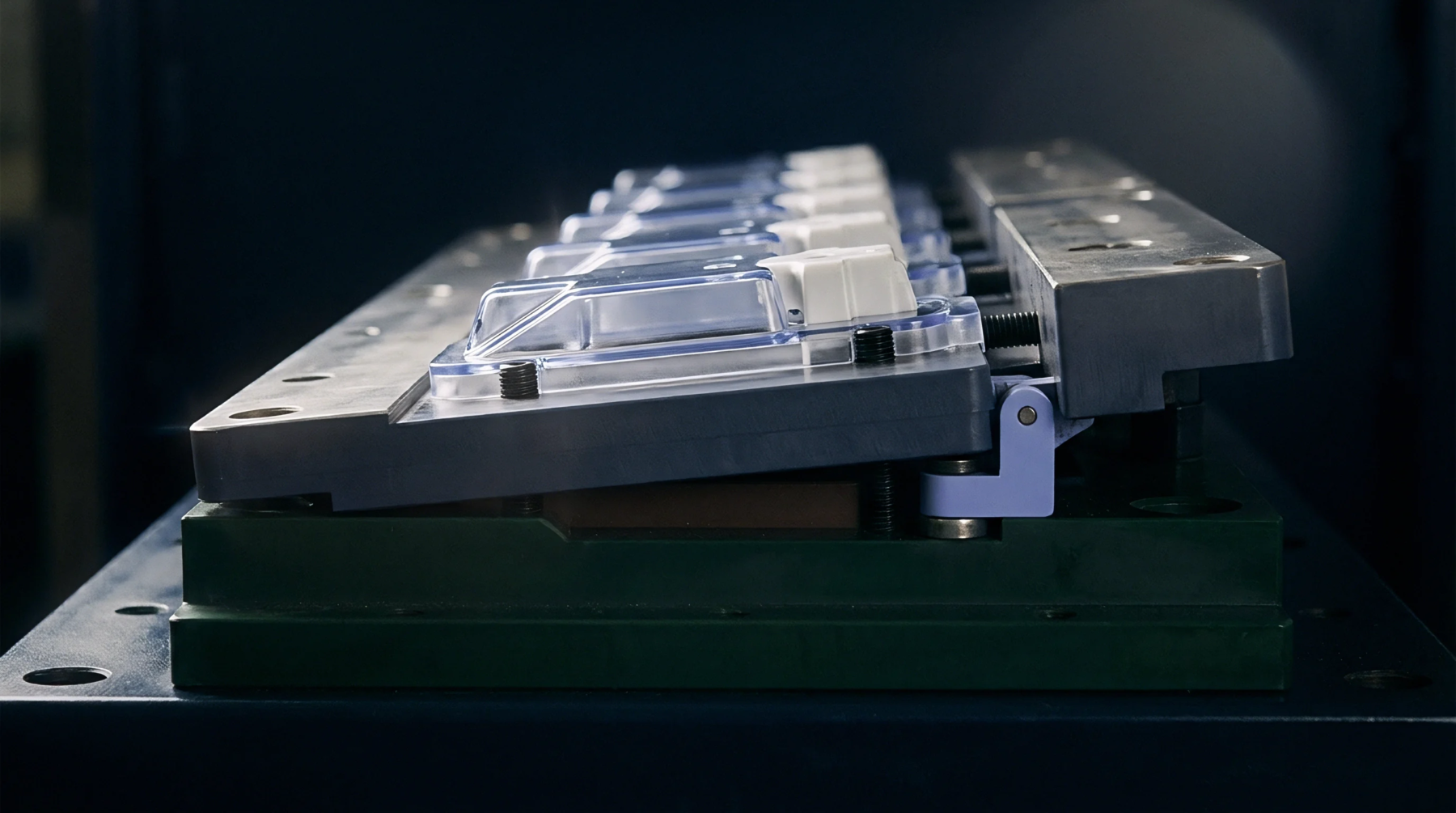
Melt front advancement generates back pressure that pushes against the reciprocating screw until transfer position occurs. Sensor arrays mounted directly inside steel plates record peak pressures to verify that the trapped melt mass remains constant. Pressure curves drop rapidly when check rings fail to seal properly under high injection loads.
Component dimensions shrink unevenly during solidification whenever the residual polymer layer varies between cycles. Tooling engineers specify maximum allowable pressure deviations to prevent structural failure in load bearing plastic parts. Final production consistency depends on maintaining uniform melt density throughout the entire barrel length.