Meaning
Resins containing two distinct molecular weight distributions provide a balance of toughness and processability. Modern bimodal polyethylene typically consists of a high molecular weight fraction to provide strength and a low molecular weight fraction to facilitate flow. This combination allows for thinner wall sections in pressure pipes without sacrificing environmental stress crack resistance.
Material Structure
Polymerization occurs in two reactors where different conditions produce the two peaks of the molecular weight distribution. These two populations of chains coexist within the same resin pellet to provide properties that a single reactor cannot achieve.
Processing Performance
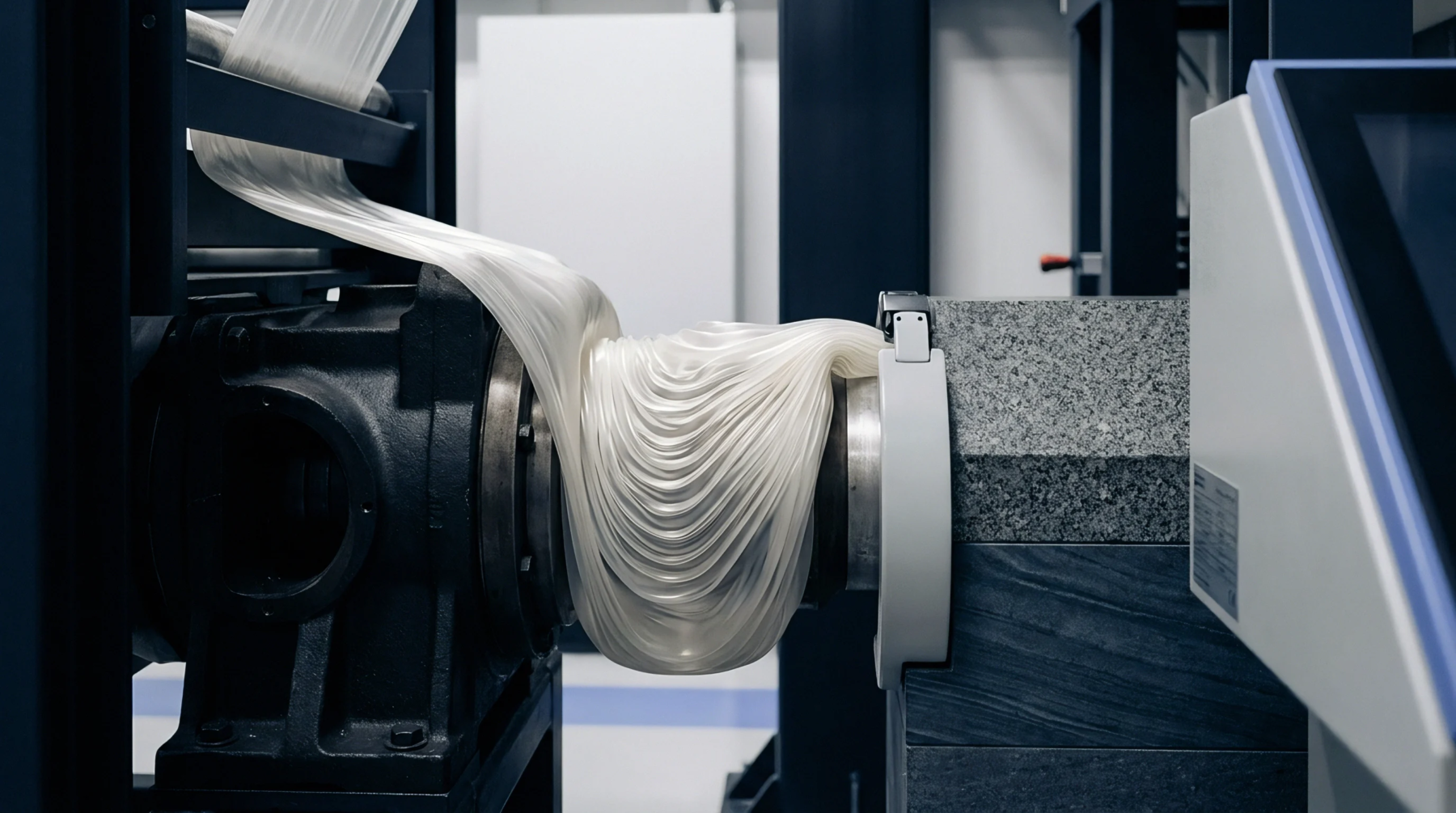
Extrusion lines run at higher throughput rates when using these materials because the low molecular weight fraction reduces the overall melt viscosity under high shear. While bimodal polyethylene requires careful temperature control, it reduces the torque required on the motor for a given output. High melt strength from the long chains prevents sag in large diameter pipe production by resisting gravity as the melt exits the die.
This resistance ensures that wall thickness remains uniform around the entire circumference of the pipe. Shear thinning behavior is more pronounced in these resins than in traditional unimodal grades.
Application Range
Durability requirements for gas and water distribution drive the selection of these high performance resins. Since bimodal polyethylene offers superior resistance to point loads, it allows for trenchless installation methods. These grades dominate the PE100 category.