Meaning
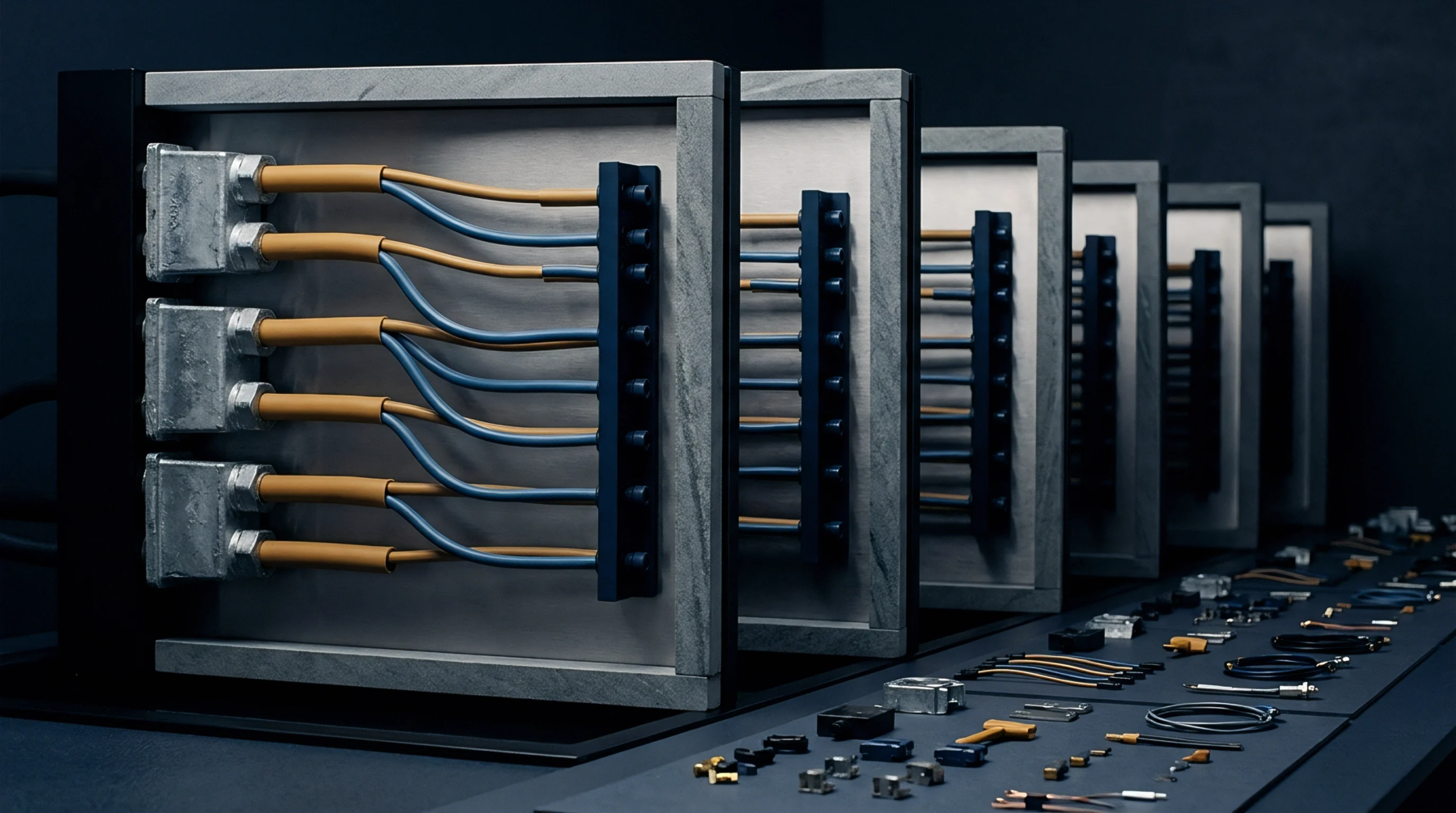
A mathematical estimation technique determines unknown boundary temperatures or heat fluxes by utilizing measured temperature data from the interior of a solid body. For injection molding, inverse heat conduction allows engineers to calculate the transient thermal conditions at the cavity surface from thermocouple readings embedded deep within the mold steel. Directly measuring the cavity surface temperature is difficult because the melt would damage sensitive sensors.
This method provides the surface data indirectly.
Numerical Calculation
The calculation is mathematically ill-posed because small errors in the internal temperature measurements become magnified when calculating the surface conditions. Algorithms use regularization techniques to stabilize the results and prevent unphysical oscillations in the computed heat flux. Thermocouples must be positioned close to the cavity surface to capture rapid thermal changes, which occur within milliseconds of melt injection.
This positioning is a delicate balance between sensor protection and data sensitivity.
Mold Design
By resolving these thermal profiles, designers can identify hot spots in complex mold geometries. These regions cool more slowly than the rest of the part, which leads to unbalanced thermal stresses. Correcting the cooling channel layout solves this issue.
Cycle Control
Real-time calculation of these surface temperatures helps in adjusting the molding cycle. If the mold surface does not cool down sufficiently before the next cycle starts, the subsequent parts may suffer from surface defects. This control maintains consistent part quality.