Meaning
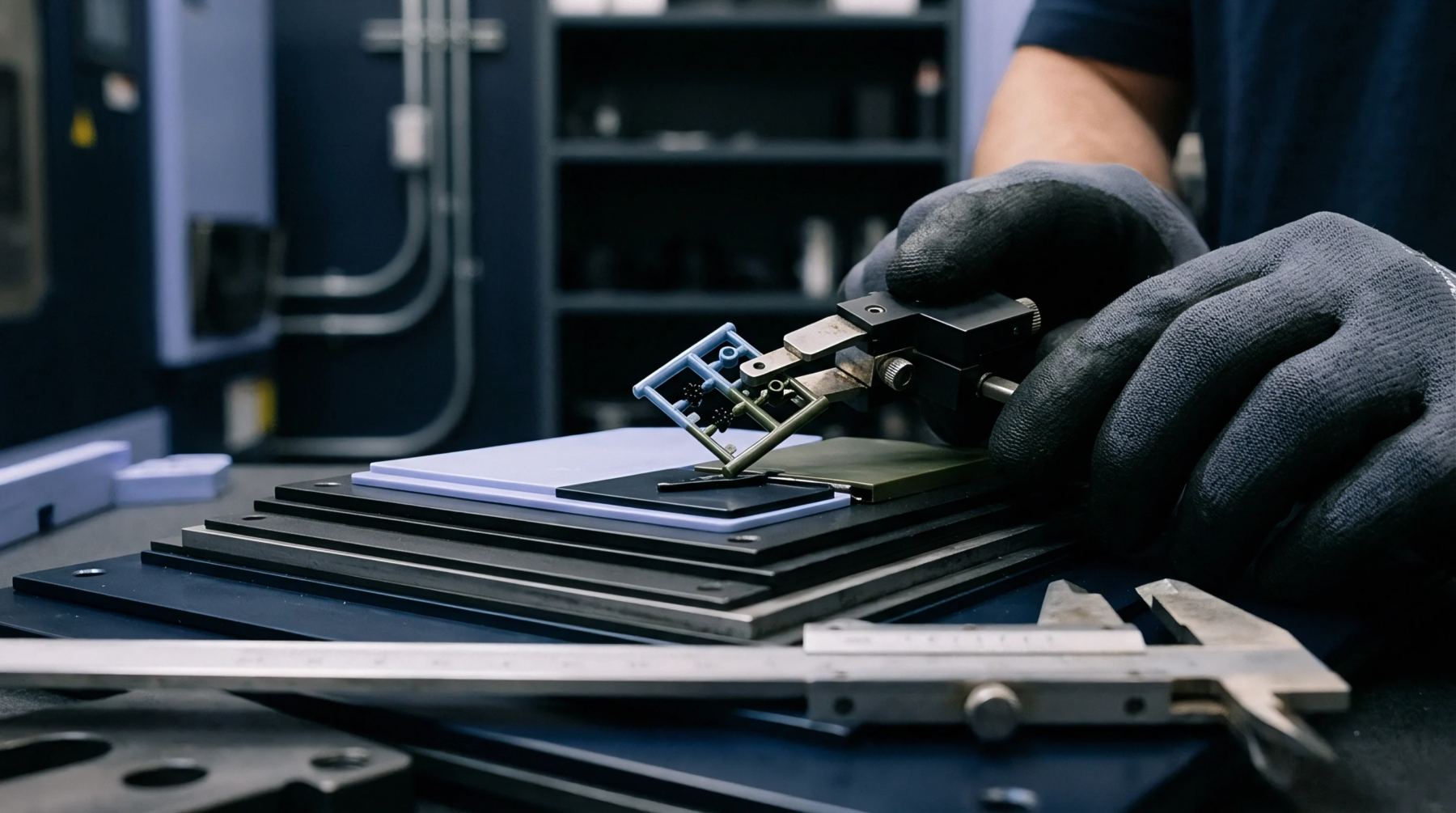
Processing limits define the maximum cavity pressure or minimal clamp force beyond which molten polymer forces mold parting lines open and creates excess material fins. Identifying the flash threshold allows process engineers to maximize injection speed and packing density without exceeding tool parting surface seal capabilities. The parameter governs part trimming costs, cosmetic quality limits and clamp tonnage selection on injection moulding machines.
It becomes irrelevant once melt viscosity increases to the point where flow fronts freeze completely.
Clamping Dynamics
Hydraulic and electric clamp units apply compressive force across tool shutoff surfaces to resist high melt pressures inside the cavity. When internal fluid forces exceed this applied clamp tonnage, steel plates deflect slightly and create micro gaps. Exceeding the flash threshold permits thin melt streams to penetrate these gaps, producing flash along part perimeters and ejector pins.
Lowering holding pressure or reducing shot volume brings processing conditions back inside acceptable operating boundaries.
Viscosity Drops
Material lot variations or unexpected thermal spikes lower polymer viscosity sharply.
Tooling Precision
Tool steel wear along parting surfaces lowers the physical pressure required to cause material leakage over time. Moulders handling regrind material risk flash threshold drops when fine plastic dust melts prematurely in the barrel, creating localized low viscosity melt pockets. Regular tool maintenance and precision shutoff fitting restore clamp seal integrity across production shifts.
Maintaining processing parameters below this critical boundary extends tool life and reduces manual part deburring operations.