Meaning
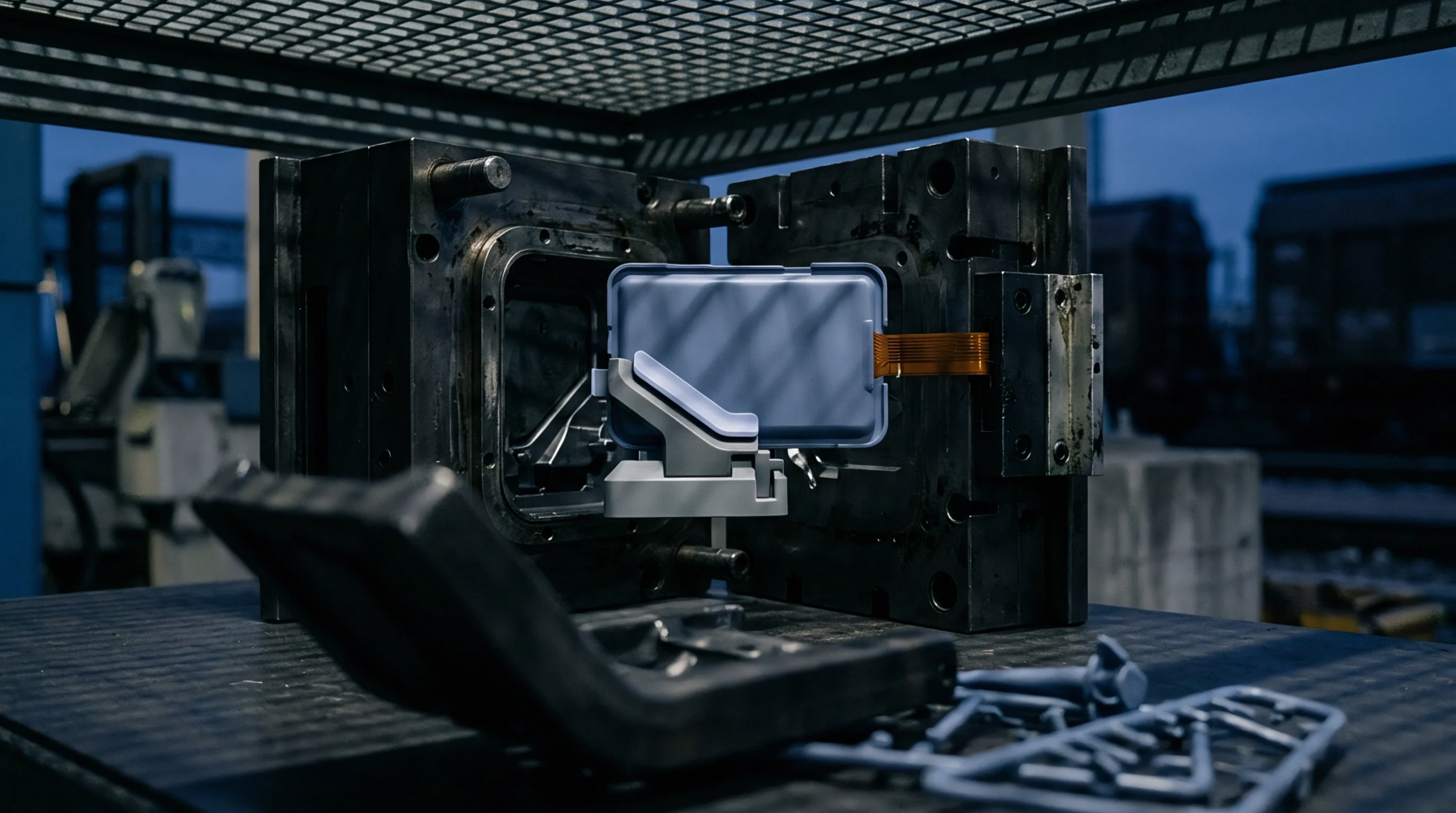
The cpk capability index is a statistical metric evaluating how well a manufacturing process produces output within engineering tolerances. Polymer processors rely on the cpk capability index during high pressure injection moulding to quantify dimensional stability and process centering simultaneously. Toolmakers set baseline limits during sampling runs before production tooling is released to the shop floor.
Material specifications define raw polymer properties on resin supplier datasheets, whereas part specifications dictate final component geometry and physical performance. Processors face severe flash or sink marks when barrel temperatures or clamp tonnage drifts outside established windows. Virgin polymer behaves predictably under thermal and shear stress, while regrind economics introduce viscosity shifts that degrade output consistency.
Datasheet values represent laboratory ideals tested under pristine conditions, whereas moulders must maintain capability across variable ambient temperatures and machine wear cycles.
Process Stability
Tooling engineers calculate the cpk capability index from measured dimensions across consecutive cavity shots during validation trials. Injection velocity and packing pressure directly influence volumetric shrinkage in semicrystalline thermoplastics like polyoxymethylene. Cavity pressure sensors track polymer front advancement inside the mould during every single cycle.
When cooling line blockages restrict thermal transfer, cycle times lengthen and internal stress distorts part flatness. Hydraulic pressure fluctuations alter material packing density, creating sink marks on thick wall sections and warping thin wall enclosures. Technicians adjust screw recovery rates and back pressure to stabilize melt homogeneity before material enters the nozzle.
Part rejection rates climb rapidly when thermal gradients across the manifold exceed strict operational limits.
Economic Risk
Purchasing managers evaluate the cpk capability index to determine whether a moulding vendor can sustain tight tolerances without excessive scrap costs. Low index values signal unstable processing that forces sorting operations and increases unit manufacturing expenses. Scrap generation increases resin consumption and adds grinder overhead for scrap recycling into lower grade applications.
Customers reject entire lots when critical wall thickness dimensions fail statistical control thresholds during incoming quality inspection. Moulding shops absorb financial losses from scrapped components when machine repeatability degrades over long production campaigns. Tool maintenance schedules prevent hydraulic leaks and heater band failures that would otherwise cause capability metrics to plummet.
Moulding Control
Quality auditors review cpk capability index reports to verify compliance with automotive and medical device standards. Process technicians monitor melt temperature and switchover position continuously to keep process variation within narrow dispersion limits. Automated robots remove moulded parts consistently to eliminate cooling time variances caused by operator handling differences.
Calibration procedures verify transducer accuracy on clamping units and injection cylinders before every production batch begins. Maintaining high capability demands rigorous control over ambient humidity in drying hoppers for hygroscopic engineering plastics like polyamide. Process capability remains the definitive metric for validating production readiness prior to signing long term supply agreements.