Meaning
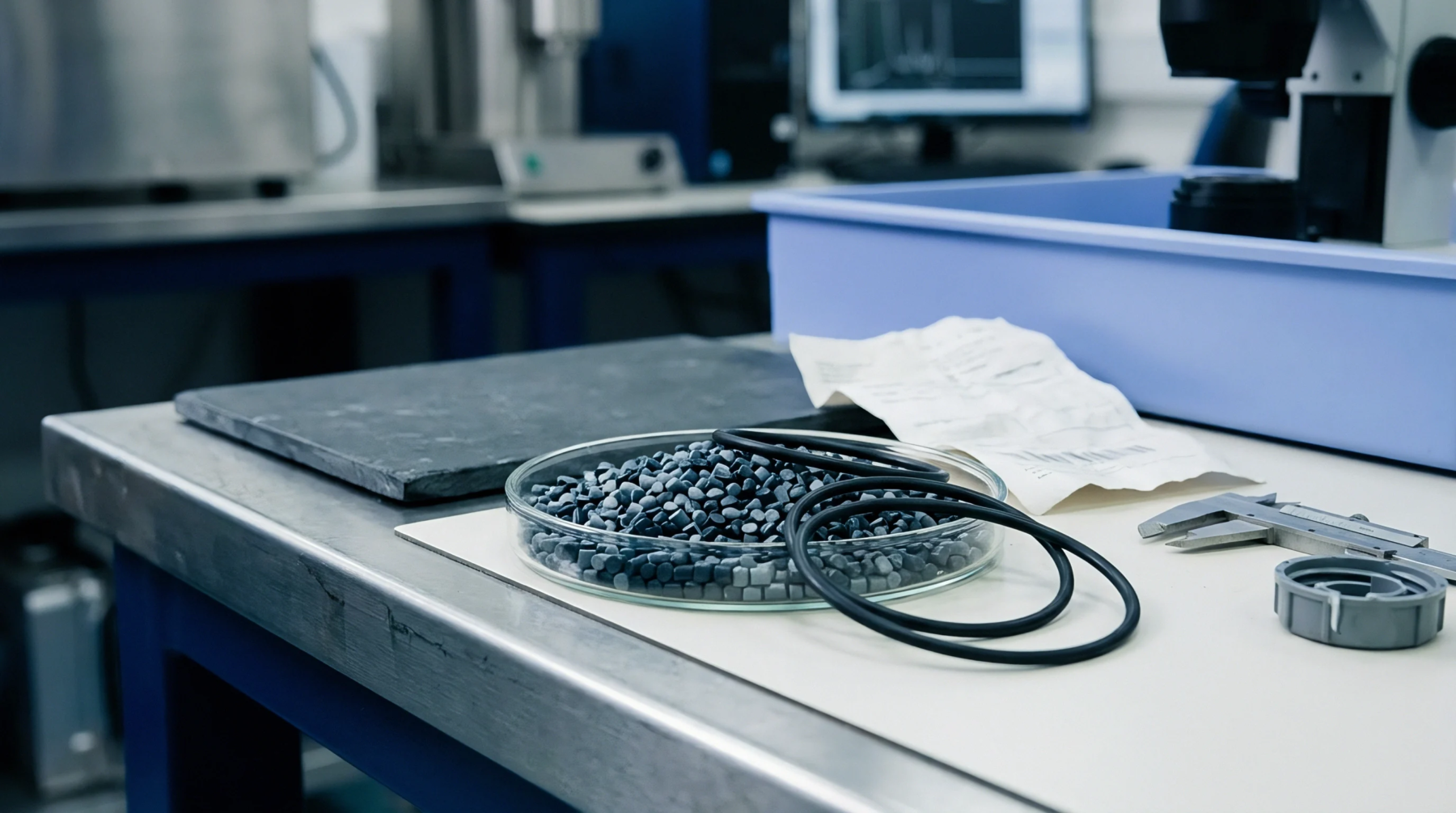
Quality assurance protocols confirm that each incoming lot of raw polymer meets specified mechanical and thermal standards before it enters the production hopper. A systematic batch verification checks parameters like melt flow index and moisture content against the manufacturer datasheet. This step is critical because variations in resin properties can lead to inconsistent moulding results and part failures.
By establishing a baseline for each shipment, the procedure prevents contaminated or out of spec material from reaching the moulding machines.
Process Audit
Auditors compare the physical properties of the incoming shipment with the certified delivery documents. This check includes examining the packaging for signs of moisture intrusion and recording the batch number in the tracking database. Discrepancies are flagged immediately to prevent the run from starting with unstable materials.
Testing Frequency
Regular testing occurs at the start of each new production run or when a new resin lot is introduced. For critical automotive or medical parts, batch verification occurs multiple times within a single run to detect any drift in raw material quality. This high frequency helps to isolate any defective parts to a small, traceable window.
Production Yield
Consistent material inputs lead directly to higher yields of acceptable parts. Reducing raw material variation eliminates the primary cause of cosmetic and structural defects during high volume runs.