Supercritical Fluid Extraction for Volatile NIAS Quantitation in Polypropylene
Supercritical fluid extraction quantifies volatile NIAS in polypropylene within forty minutes while preventing thermal artifact generation and wax co-extraction.
Phase

Supercritical Fluid Density Tuning for Polypropylene Matrices
Carbon dioxide reaches its critical transition at 31.1 degrees Celsius and 7.38 megapascals, transforming into a fluid medium capable of dissolving non-polar organic molecules without leaving toxic liquid residues. Fluid density governs solute solubility directly. In isotactic polypropylene homopolymers and random copolymers, controlling the extraction fluid density between 0.35 and 0.75 grams per cubic centimeter isolates low molecular weight volatile compounds while keeping the polymer matrix rigid.
Pressure changes alter fluid solvating power. Operating at temperatures between 40 and 60 degrees Celsius with pressures ranging from 12 to 25 megapascals targets volatile non-intentionally added substances (NIAS) without reaching the threshold where high molecular weight polypropylene waxes dissolve.
Supercritical carbon dioxide held at 40 degrees Celsius and 15 megapascals delivers a solvent density of 0.78 grams per cubic centimeter, extracting light hydrocarbon oligomers without mobilizing high molecular weight waxes.
Polypropylene exhibits swelling behavior under compressed carbon dioxide. As gas molecules enter the amorphous regions between crystalline lamellae, the polymer chains relax, accelerating the release of trapped volatiles. Excessively high densities cause structural collapse or partial melting of low-density copolymer phases.
The extraction process targets volatile degradation products, residual polymerization solvents, and antioxidant cleavage products such as 2,4-di-tert-butylphenol without destroying pellet morphology.

Cosolvent Selection and Polymer Swelling Controls
Methanol added at three molar percent increases fluid polarity enough to solvate oxidized antioxidant breakdown products while maintaining matrix structural integrity. Pure carbon dioxide efficiently extracts non-polar aliphatic hydrocarbons, yet struggles with polar species like synthetic degradation products or organic acids. Introducing small fractions of polar modifiers alters the Hildebrand solubility parameter of the fluid mixture.
Temperature controls thermal expansion inside vessels. Precision metering pumps deliver co-solvents at fixed molar ratios relative to the primary carbon dioxide mass flow, ensuring consistent extraction mechanics across sample batches.
| Pressure (MPa) | Temperature (°C) | CO2 Density (g/cm³) | Modifier (mol%) | Target NIAS Class |
|---|---|---|---|---|
| 12.0 | 40 | 0.72 | 0.0 | C8 ~ C16 Aliphatic Hydrocarbons |
| 15.0 | 50 | 0.68 | 2.0 Methanol | 2,4-Di-tert-butylphenol, Oxidized Irgafos 168 |
| 20.0 | 60 | 0.66 | 5.0 Ethanol | Polar Degradation Products, Residual Monomers |
| 25.0 | 80 | 0.59 | 0.0 | C16 ~ C30 Polypropylene Oligomers |
Operating at excessive extraction pressures dissolves low molecular weight polypropylene waxes, causing downstream valve blockage and sample loss.

Diffusion
Particle Geometry and Cryogenic Grinding Tolerances
Pellets reduced below 300 micrometers under liquid nitrogen shorten the mass transfer pathway from hours to minutes. Particle size dictates mass transfer rates. Raw polypropylene pellets arriving from compounding operations present a surface-area-to-volume ratio too low for rapid gas penetration.
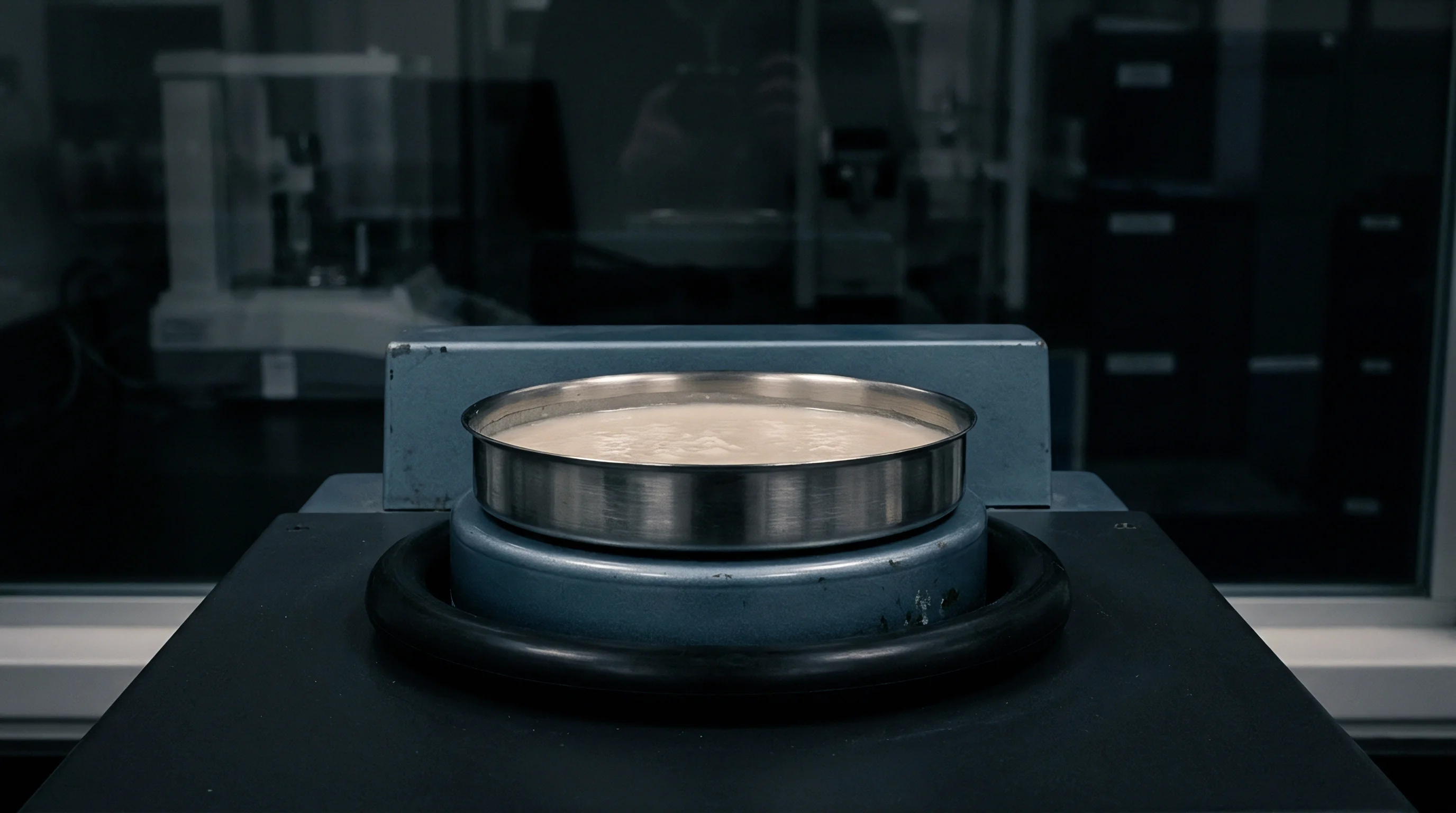
Cryogenic milling prevents thermal analyte degradation. Grinding pellets at minus 196 degrees Celsius preserves volatile compounds that would evaporate under ambient mechanical friction. The resulting powder must be classified using calibrated stainless steel sieves to achieve uniform extraction kinetics.
Diffusion inside dense polyolefins follows Fickian behavior. The diffusion coefficient of a volatile migrant depends heavily on molecular weight, matrix crystallinity, and ambient extraction temperature. Fine particles reduce internal diffusion distance, turning core-to-surface migration into a rapid surface-sweeping event.
Bimodal particle distributions yield skewed recovery rates, as fine fractions exhaust their volatile payload long before coarse granules release core contaminants.

Static and Dynamic Cycle Optimization
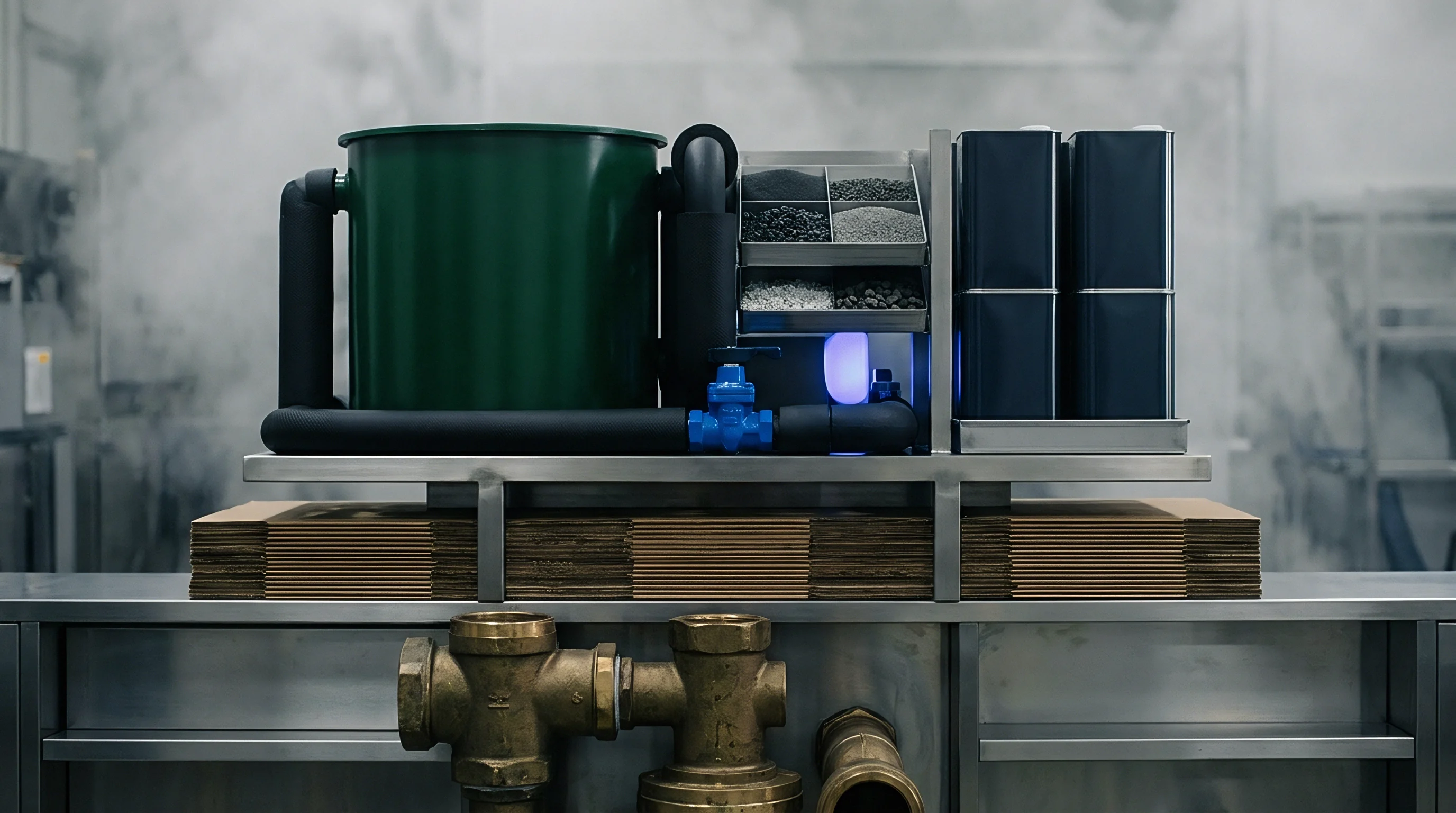
Initial hold steps allow the fluid to saturate crystalline interlamellar zones before continuous flow sweeps dissolved migrants into the collection chamber. Static extraction mode places the polymer powder in contact with stagnant supercritical fluid, establishing solubility equilibrium across phase boundaries. Dynamic extraction mode introduces fresh, unladen fluid continuously, maintaining maximum concentration gradients across the polymer particle surface.
Dynamic flushing sweeps analytes into traps. Combining a ten-minute static soak with a twenty-minute dynamic rinse maximizes extraction yield while minimizing gas consumption.
Resin compounders frequently attribute trace volatile signals to ambient warehouse absorption rather than polymer thermal degradation during pelletization.
Trapping
What Extraction Density Prevents Matrix Dissolution during Volatile Recovery?
Pressures exceeding 30 megapascals alter solubility to the point where low molecular weight polymer fractions dissolve alongside target volatiles, plugging micro-metering valves during expansion. Fluid density must remain below 0.75 grams per cubic centimeter to maintain selectivity. When high-pressure supercritical carbon dioxide exits the extraction vessel, it undergoes rapid depressurization across a restrictor assembly.
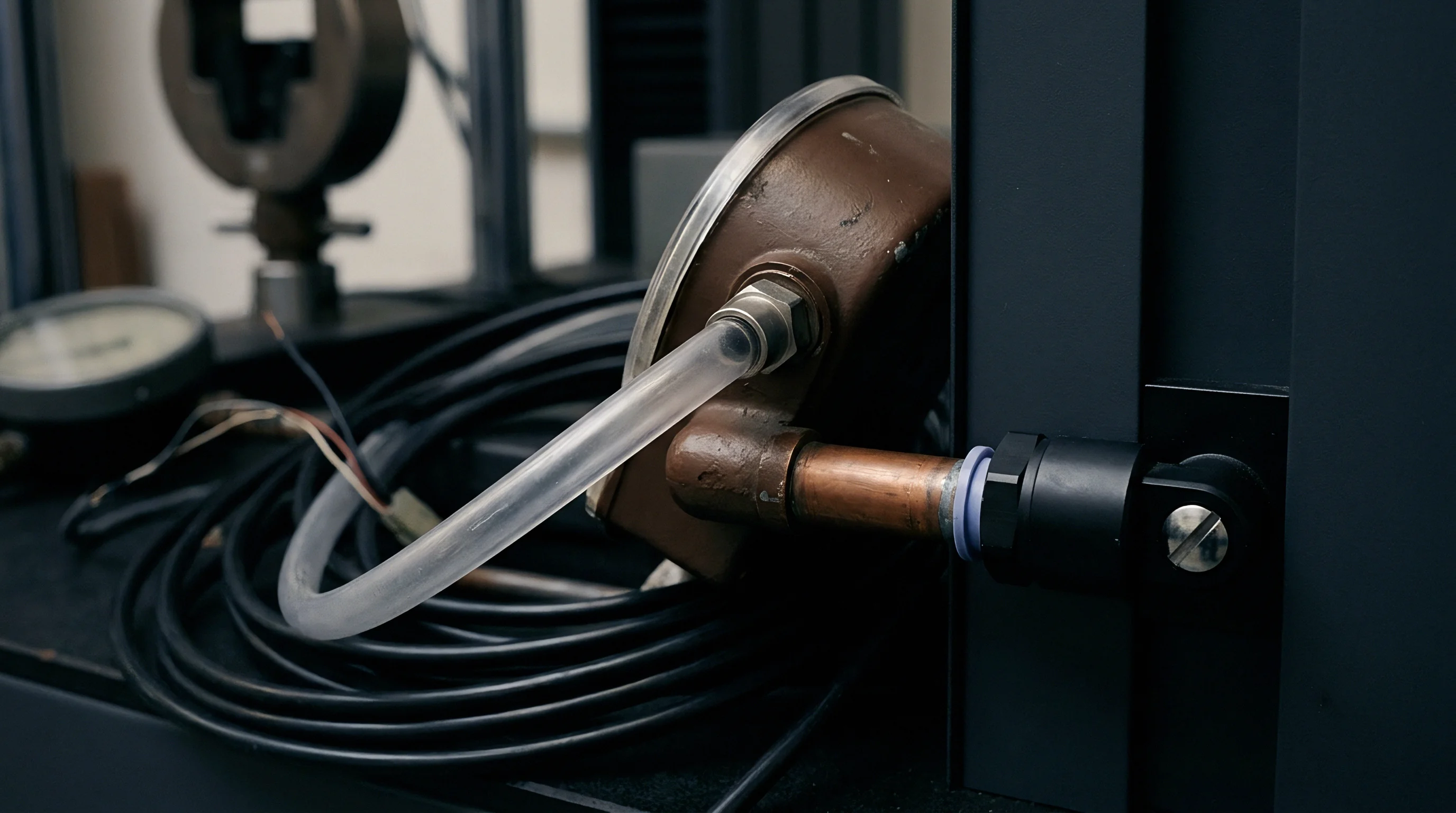
Joule-Thomson cooling causes gas expansion to absorb thermal energy rapidly, dropping local temperatures below minus 40 degrees Celsius if heating elements are omitted. Nozzle temperature controls expander ice formation. Variable temperature restrictor blocks maintained at 120 degrees Celsius eliminate ice formation and prevent solute precipitation inside micro-capillaries.
Solvent-free collection systems rely on solid-phase sorbents or cryogenic cold traps to capture volatile NIAS carried by expanding carbon dioxide gas. Cold trapping captures light volatile hydrocarbons. Passing depressurized effluent through a glass trap submerged in a cooling bath at minus 20 degrees Celsius condenses volatile organic compounds into a minimal volume of chromatographic-grade solvent such as dichloromethane or hexane.
Sorbent traps containing Tenax TA or divinylbenzene polymers adsorb light volatiles, releasing them later through thermal desorption into gas chromatographs.
Compliance with Regulation European Union 10/2011 mandates quantifiable detection down to 10 micrograms per kilogram for unlisted volatile migrants in food-contact polyolefins.

Cryogenic and Solid-Phase Collection Efficiency
Restrictor nozzles heated to 120 degrees Celsius prevent ice formation caused by Joule-Thomson cooling while fluids expand into receiving vials. Volatile analyte recovery depends on gas velocity entering the collection vessel. Excessively high carbon dioxide flow rates create aerosol mists that carry light hydrocarbons past cold solvent traps into laboratory exhaust venting.
Low flow rates prevent aerosol formation, allowing volatile molecules sufficient contact time to dissolve into the capture solvent. Spiking deuterated internal standards directly into extraction cells before pressurization enables precise calculation of volatile compound recovery rates.
Whether solid-phase trap sorbents can retain C6 aliphatic species under rapid carbon dioxide depressurization without solvent rinsing remains an open question across analytical laboratories.

Quantitation

Chromatographic Separation and Identification of Volatile Migrants
Gas chromatography columns with 5-percent phenyl poly-dimethylsiloxane stationary phases resolve branched oligomeric clusters between C10 and C30. Quantitation relies on internal standard accuracy. Coupled mass spectrometry operating in electron ionization mode at 70 electronvolts provides fragmentation spectra necessary for non-target screening of unknown volatiles.
Chromatographic resolution prevents peak overlapping errors. High-resolution time-of-flight mass spectrometers assign exact elemental formulas to unknown peaks, distinguishing synthetic thermal breakdown fragments from natural terpenes present in recycled polypropylene feeds.
Volatile NIAS profiling requires establishing baseline sensitivity across diverse chemical structures. Non-polar aliphatic hydrocarbons yield linear response factors on flame ionization detectors, whereas oxygenated degradation products show variable responses on mass spectrometers. Internal standards such as d34-hexadecane spiked into samples correct for analyte losses during depressurization and transfer steps.

Worked Analytical Mass Calculation for Volatile NIAS in Resin
Calculating compound concentration in raw pellets involves comparing target peak areas against an internal standard spiked before cell extraction. Consider a 2.00-gram sample of cryogenically ground polypropylene random copolymer spiked with 10.0 micrograms of deuterated hexadecane internal standard. Following supercritical extraction at 20 megapascals and 50 degrees Celsius, the collected fraction undergoes capillary gas chromatography mass spectrometry analysis.
The integrated peak area for 2,4-di-tert-butylphenol appears at 450,000 area units, while the internal standard peak area records 600,000 area units. Applying a relative response factor of 1.15 for 2,4-di-tert-butylphenol relative to deuterated hexadecane yields the concentration through the standard quantitative relationship:
Concentration in resin = (Peak Area Analyte / Peak Area Standard) × (Mass Standard / Mass Sample) × (1 / Relative Response Factor)
Inserting the measured values into the expression yields:
Concentration in resin = (450,000 / 600,000) × (10.0 micrograms / 2.00 grams) × (1 / 1.15)
Concentration in resin = 0.75 × 5.00 mg/kg × 0.8695 = 3.26 milligrams per kilogram
This result confirms the presence of 3.26 ppm 2,4-di-tert-butylphenol in the virgin polymer lot, establishing a baseline to verify compliance against customer specifications before compounding.
Particle size uniformity dictates extraction speed far more than fluid flow velocity across dense polymer beds.
- Thermal oligomer generation occurs when cell temperatures exceed 80 degrees Celsius during extraction, creating artificial hydrocarbon peaks that skew quantitative totals.
- Restrictor nozzle clogging manifests as abrupt pressure spikes when dissolved low molecular weight waxes precipitate inside unheated expansion capillary tubes.
- Analyte breakthrough takes place when collection trap temperatures drift above minus ten degrees Celsius, allowing volatile C8 to C10 species to escape into vent gas streams.
- Cosolvent matrix swelling emerges when methanol concentrations cross five molar percent, softening amorphous polymer chains and releasing unreacted monomers that interfere with volatile profiling.
- Certificate of analysis verification mandates cross-checking volatile NIAS gas chromatograms against baseline specs before unloader hoses connect to transfer silos.
- Cryogenic particle size audit requires checking incoming milled sample distributions to ensure mean diameters remain within thirty micrometers of laboratory standards.
- Cosolvent batch logging tracks solvent purity grades used during supercritical extraction runs to prevent trace laboratory contaminants from appearing on customer compliance reports.
| Compound Name | CAS Number | Origin / Source | Retention Index | Typical LOQ (mg/kg) |
|---|---|---|---|---|
| 2,4-Di-tert-butylphenol | 96-76-4 | Antioxidant Degradation (Irgafos 168) | 1512 | 0.05 |
| Limonene | 5989-27-5 | Post-Consumer Recyclate Contamination | 1030 | 0.01 |
| 2,6-Di-tert-butyl-1,4-benzoquinone | 719-22-2 | BHT Oxidation Product | 1485 | 0.02 |
| 1-Decene Oligomers (C10 ~ C20) | 68037-01-4 | Low MW Polypropylene Synthesis Side-Products | 1050 ~ 2050 | 0.10 |
Enforcing strict adherence to EN 13130 migration limits within purchasing agreements shifts the burden of proof for volatile purity directly onto the resin producer.
Cost
Analytical Cost per Batch and Solvent Consumption Economics
Supercritical carbon dioxide extraction reduces organic solvent consumption per sample from 150 milliliters down to less than five milliliters. Landed costs reflect testing turnaround delays. Traditional liquid solvent extractions such as Soxhlet reflux or microwave-assisted extraction consume substantial volumes of high-purity dichloromethane or hexane, driving hazardous waste disposal overhead.
Fluid extraction using compressed gas minimizes chemical purchase expenses while eliminating time-consuming rotovap concentration steps.
Automated multi-vessel fluid extraction rigs process up to twenty-four polymer samples per operational shift without manual intervention. Testing prevents costly batch recall exposure. High instrument capital expense amortizes rapidly when weighed against labor hours spent running manual liquid solvent extractions.
Accelerated turnaround times allow incoming resin shipments to move from receiving docks into production hoppers within hours of arrival.
Recycled polypropylene lots display up to four times the volatile NIAS peak density of virgin homopolymers due to legacy additive degradation.
Commercial Risk Mitigation in Food Grade Polymer Procurement
Incoming lot verification using rapid fluid extraction prevents off-spec virgin or recycled lots from contaminating compounding hoppers. In food-contact applications, failure to detect volatile migrants can trigger compliance rejections, resin write-downs, and commercial litigation. Integrating quantitative volatile profiles into supplier quality audits establishes legal protections against non-compliant polyolefin shipments before raw material enters production lines.
| Methodology | Solvent Volume (mL/sample) | Prep Time (hr/sample) | Consumables Cost (/sample) | Instrument Caπtal () |
|---|---|---|---|---|
| Soxhlet Extraction (Hexane) | 150.0 | 8.0 | 45.00 | 15,000 |
| Microwave Extraction (DCM) | 40.0 | 2.5 | 28.00 | 45,000 |
| Supercritical Fluid Extraction (scCO2) | 5.0 | 0.75 | 12.00 | 85,000 |
| Costs based on 2024 laboratory operational estimates assuming 1,000 samples processed annually. | ||||
A buyer who verifies volatile compound profiles before authorizing bulk unloader connections avoids paying for contaminated molded parts that fail regulatory audit limits downstream.