Meaning
This identifier describes a high performance thermoplastic blend combining polyphenylene ether and polyamide resins to provide structural rigidity and thermal resistance for injection moulding applications. Tenax mppo functions as an engineering grade material solution for automotive components that must endure sustained exposure to elevated temperatures and chemical contact. It governs the mechanical performance of moulded housings and structural supports where dimensional stability under load dictates the part longevity.
The boundary of this material specification lies at the point of thermal degradation where the molecular structure loses coherence. Manufacturers select this material to satisfy requirements for flame retardancy and low moisture absorption within interior or under-the-hood environments. Its formulation ensures predictable flow behaviour during the injection process.
Processing Dynamics
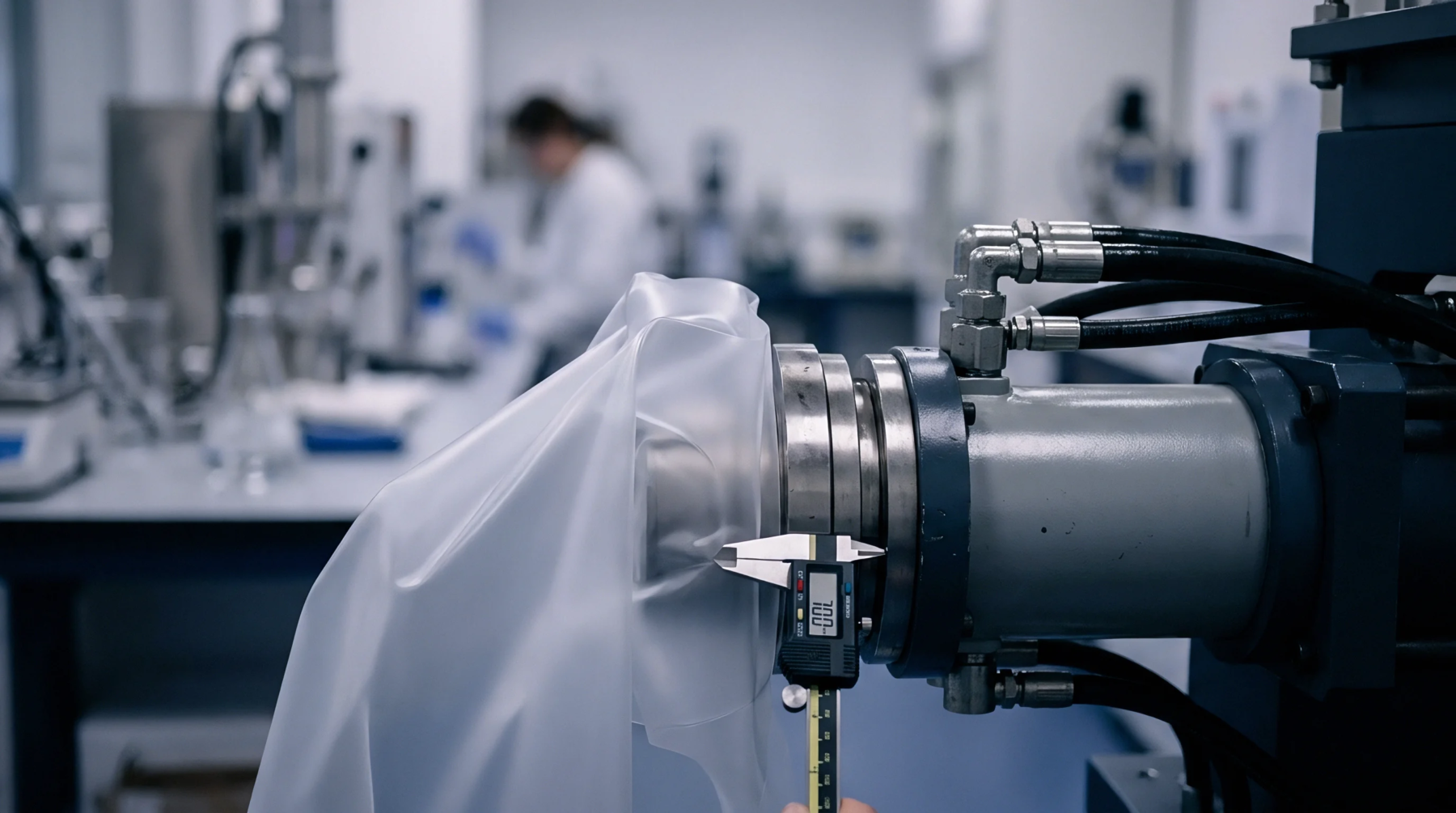
Injection parameters for this resin blend require precise control over barrel temperature profiles to avoid premature polymer degradation. Tenax mppo relies on the balance between crystalline polyamide phases and amorphous polyphenylene ether to establish its final mechanical properties. During the plastication phase, the shear heat generated by screw rotation alters the melt viscosity, which demands careful monitoring of residence time.
If the temperature exceeds the upper limit, the molecular chains break and reduce the impact strength of the finished component. Cooling rates within the mould cavity influence the degree of crystallinity, which determines the shrinkage percentage of the final part. Excessive cooling causes internal stresses that lead to warping or cracking during the assembly stage.
Operators set the holding pressure to compensate for volumetric contraction as the melt moves from the liquid phase toward a solid state.
Material Economics
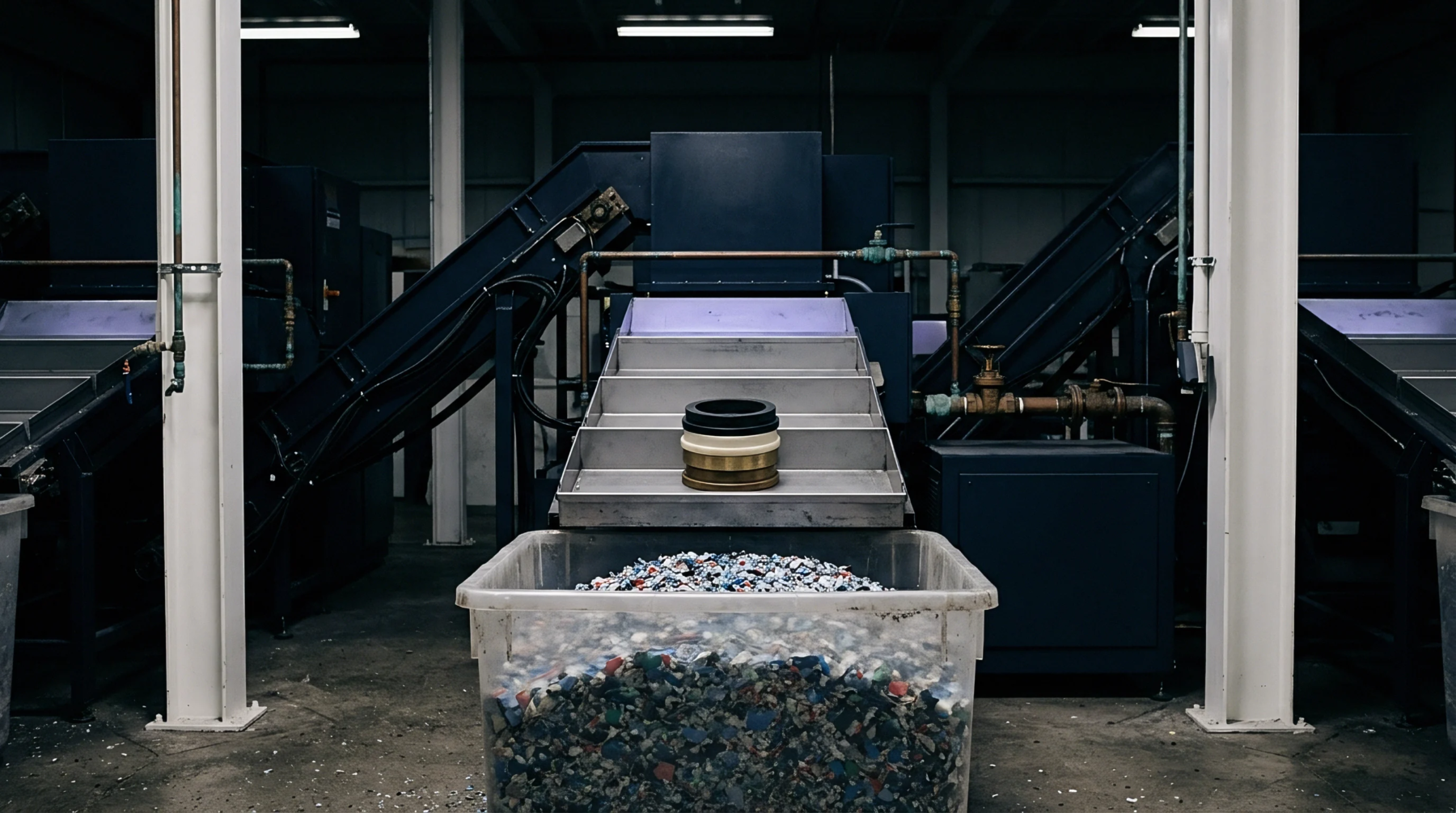
Procurement choices for this resin blend hinge on the distinction between virgin pellets and regrind material usage within a production cycle. Tenax mppo allows for a specific percentage of regrind inclusion provided that the processing history of the initial moulding remains clean and free of contamination. Virgin resin offers consistent molecular weight distribution, while regrind cycles introduce variations that lower the elongation at break and impact toughness.
Tooling geometry determines the quantity of runner systems and gates that feed back into the process as regrind, making part design a factor in overall production efficiency. Moulders track the degradation of properties over multiple heat history cycles to define the upper limit for recycling. Cost analysis balances the higher price of base resins against the savings obtained from scrap reduction and efficient material reuse.
Quality Verification
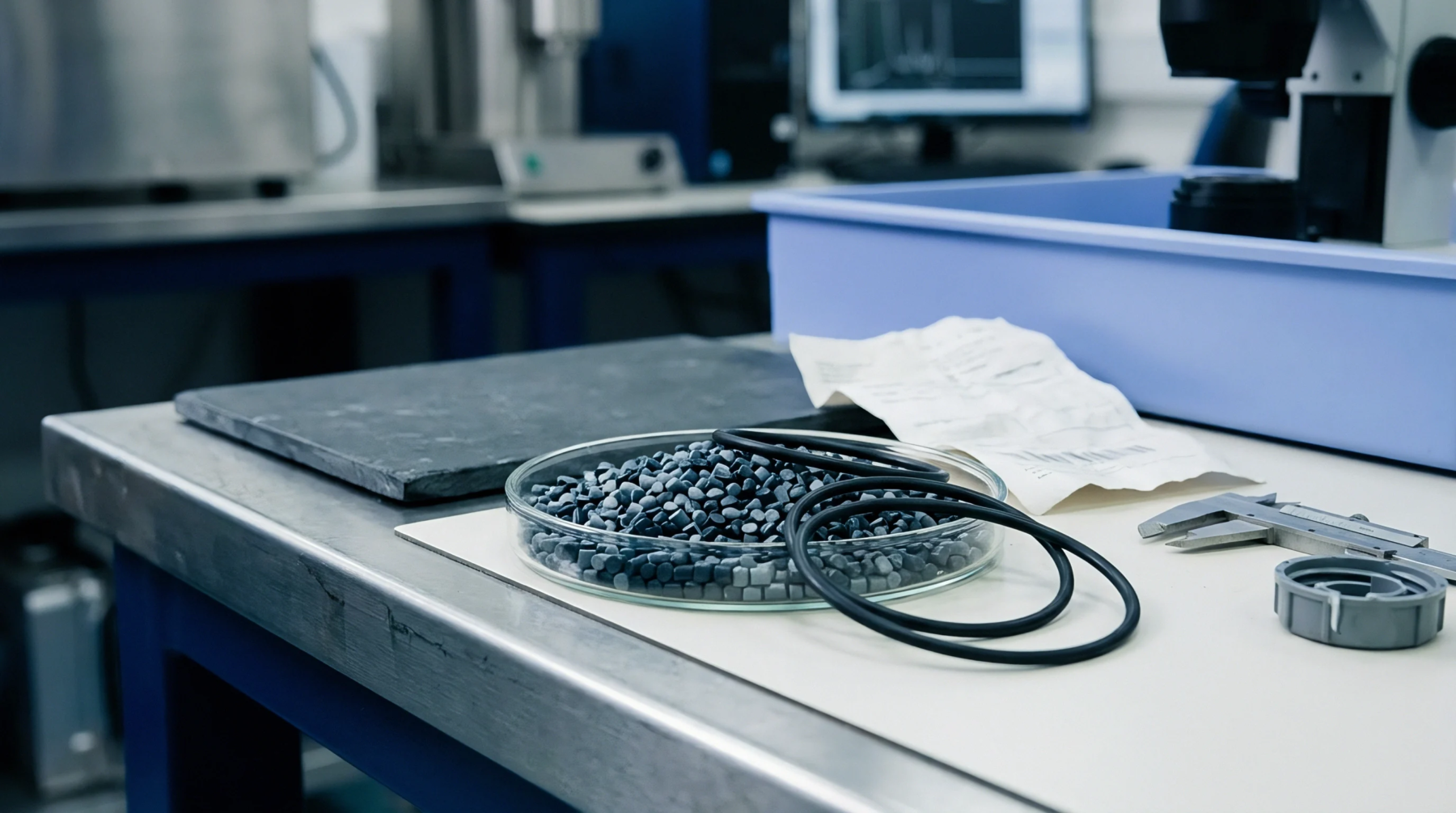
Datasheet values represent the performance of test specimens moulded under controlled laboratory conditions that rarely replicate the complexity of geometry in production tooling. Tenax mppo exhibits different physical values in thick cross sections compared to thin walls due to differences in molecular orientation and cooling gradients. Verification requires testing actual parts for performance against the initial design intent rather than relying solely on the published datasheet specifications.
Pressure loss within the mould cavity affects the density of the component, which influences the load bearing capability across a long production run. Sensors inside the machine monitor the injection velocity to detect deviations that correlate with structural weakness. Consistent part quality depends on the ability of the moulding process to replicate these internal conditions regardless of environmental changes.
Validated production parameters produce parts that retain their design strength over the intended service life.