Meaning
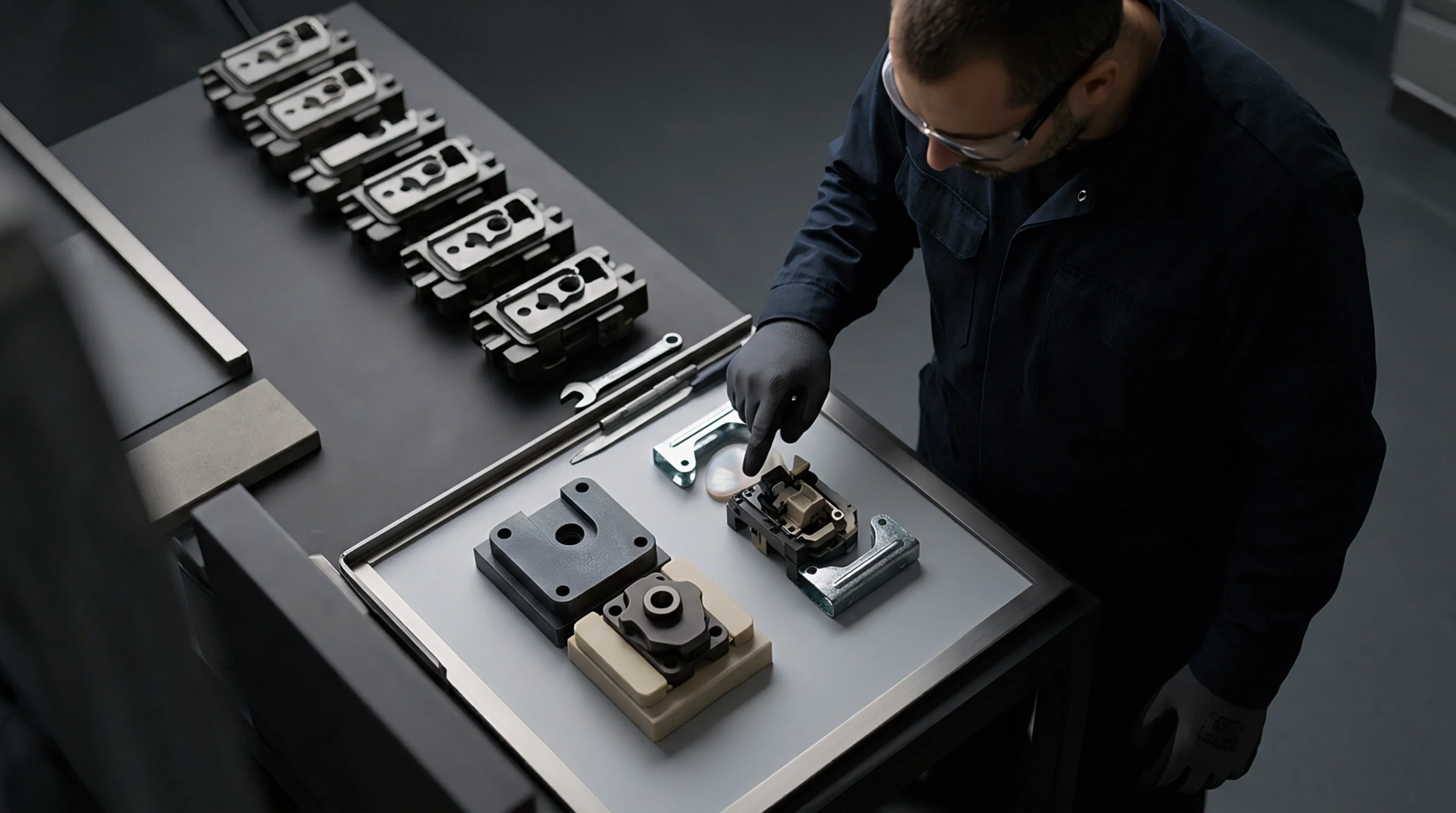
Thin-film diagnostic media contain micro-encapsulated color-forming chemistry that ruptures under mechanical force to map surface pressure distribution. Utilizing pressure sensitive foil between mold parting faces provides a visual, quantitative map of localized clamping force and shutoff land contact. When compressed between tool halves, the film releases dye proportional to local compressive stress, producing color intensity variations that indicate high and low pressure zones.
This diagnostic media evaluates static mechanical contact and does not measure dynamic melt flow behavior during injection.
Force Quantification
Color intensity analysis correlates film optical density with specific pressure values in megapascals. Topographical mapping with pressure sensitive foil reveals uneven clamp distribution caused by platen flexure or improper tool shimming. Technicians scan the exposed film with optical densitometers to verify that shutoff stress remains within recommended engineering limits.
Tool Alignment
Contact balance verification prevents premature tool wear caused by localized stress concentration. Placing pressure sensitive foil across parting lines during mold setup reveals misalignment between core and cavity blocks before running production shots. Correcting identified force imbalances protects delicate shutoff angles from plastic deformation under full clamp tonnage.
Defect Analysis
Flash formation often stems from low contact pressure regions along parting line perimeters. Mapping shutoff surfaces with pressure sensitive foil identifies low-pressure gaps where injection pressure can force tool steel apart. Increasing local support or modifying shutoff land widths restores effective sealing contact.