Meaning
Total procurement expense represents the cumulative sum of all costs incurred to manufacture, transport, and deliver a finished component to its final destination. Calculations of landed part cost include raw material prices, moulding expenses, packaging, freight, and customs duties. This metric allows manufacturers to compare the financial viability of local production against overseas sourcing.
Cost Composition
Raw polymer sourcing and energy consumption represent major components of the production expenses. The final landed part cost is heavily influenced by shipping distance, import tariffs, and logistics fees. For plastic parts, the weight and volume of the components determine the transport cost, which can outweigh the material savings of low-cost regions.
Moulding Influence
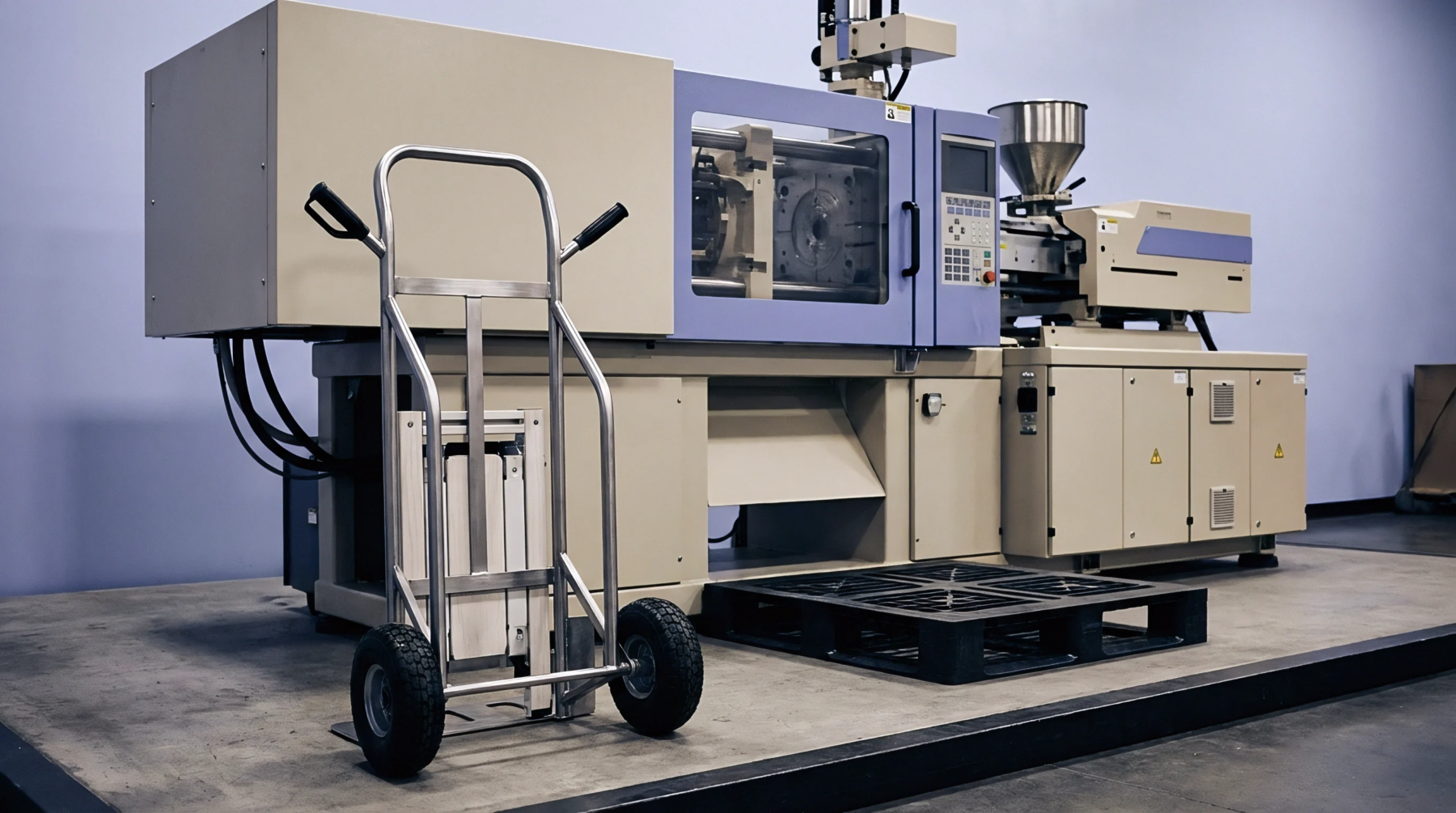
High injection moulding cycle times and elevated scrap rates directly increase the manufacturing portion of the expenses. Reducing the cycle time lowers the landed part cost by spreading fixed machine costs over a larger volume of finished parts. Molders must use efficient cooling channels and automated part handling to minimize the per-unit processing expense.
Economic Optimization
Balancing tooling investment against production volume represents a major trade-off in the procurement strategy. Sourcing parts from a distant supplier might offer lower moulding costs but higher transit fees and longer lead times. A detailed analysis of the landed part cost helps purchasing managers make informed decisions about tool allocation, inventory levels, and logistics routing to minimize the total expenditure over the product life cycle.
Compounding these factors with duties and supply chain risks provides a realistic baseline for long-term sourcing decisions.