Meaning
Standardised procedure for determining the viscosity of polymers in dilute solution using capillary viscometers. The test measures the increase in viscosity caused by the presence of the polymer and relates it to the molecular characteristics of the resin.
Molecular Insight
Dilute solution viscosity measurements provide data on the molecular weight and chain length of a resin. For most industrial plastics, iso 1628 provides a method to calculate the viscosity number or limiting viscosity number. This data is used to differentiate between grades of the same polymer family.
Solvent Condition
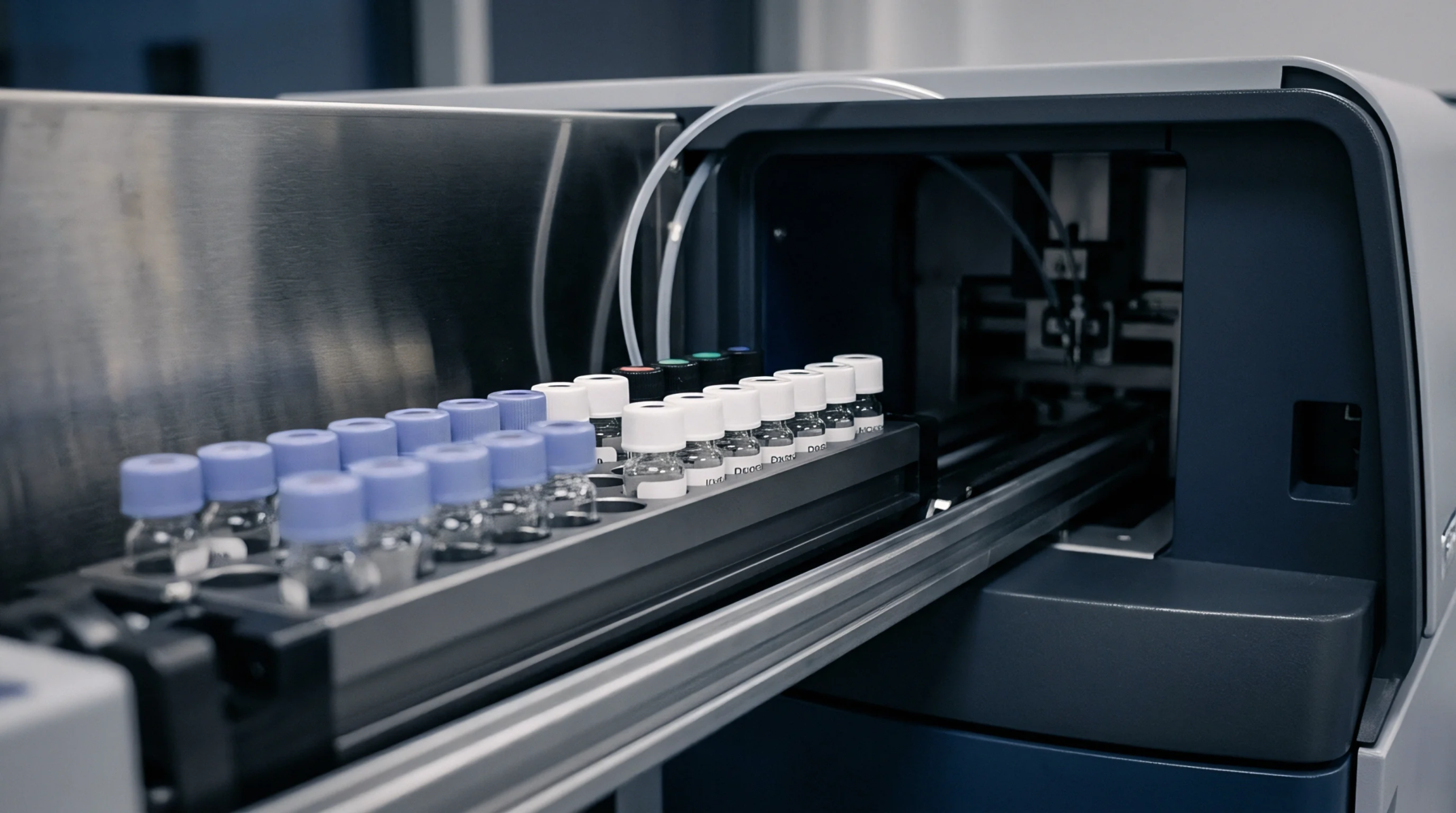
Precise control of temperature and concentration is required to obtain reproducible results during the test. The operator dissolves a specific mass of polymer in a solvent such as decahydronaphthalene or m-cresol before measuring the flow time through the capillary. Because the viscosity of the solution is compared to the viscosity of the pure solvent, any impurities in the sample will distort the final value.
Property Correlation
Technical specifications for engineering plastics often rely on this standard to define the processing characteristics of the material. Variations in the molecular weight of polyamides or polycarbonates directly affect the impact strength and flow behaviour of the moulded parts. The resulting viscosity number defines the grade for the procurement of high-performance polyolefins.