Meaning
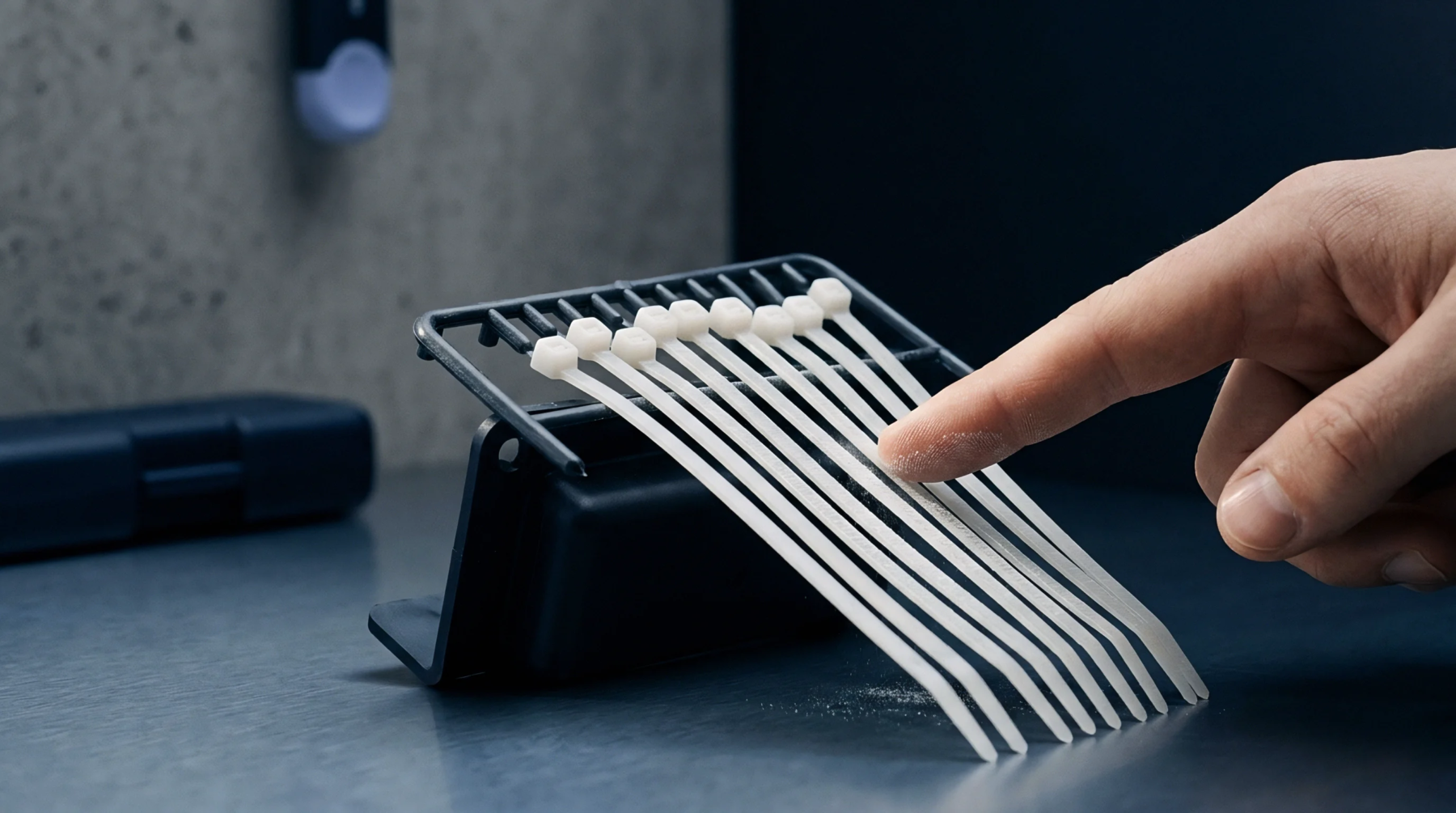
Unequal distribution of polymer melt velocity and pressure among the cavities of a multi-cavity injection mould defines this common processing defect. The occurrence of flow imbalance leads to non-uniform part weights, dimensional variations, and inconsistent mechanical properties across the produced batch. This discrepancy arises when the melt travel distances or the local shear histories within the runner system differ between flow paths, leading to uneven cavity filling.
Shear Distribution
As polymer flows through a runner, the material closest to the cold wall experiences high shear rates while the material in the center experiences low shear. This shear-rate gradient creates a hot, low-viscosity outer layer and a cooler, high-viscosity core. When the flow splits at a branch, the hot outer layer flows preferentially into one side of the branch, creating asymmetric flow conditions that cause the connected cavities to fill at different rates.
Cavity Variation
Different filling pressures mean that some cavities are packed more densely than others, leading to localized shrinkage differences. Parts from overpacked cavities will be larger and heavier, whereas those from underpacked cavities may suffer from sink marks or short shots. This variation makes it impossible to hold tight tolerances across a multi-cavity run, leading to high reject rates and complex quality control procedures.
Melt Correction
Balanced runner layouts designed geometrically do not guarantee balanced flow because they do not account for the thermal shear history of the melt. To correct this issue, specialized runner inserts can be used to reposition the hot and cold regions of the melt stream before the flow splits. Flipping the melt profile ensures that each branch receives an identical distribution of high-temperature polymer, resulting in uniform filling times and consistent part weights.
This thermal balancing technique is essential for high-precision medical and electronic components moulded in high-cavity tools.