
Evaluating Swelling Equivalency Factors in Post Consumer Polyolefin Migration Protocols
Swelling equivalency factors reduce fatty food simulant test times by scaling solvent-induced plasticizer desorption to match real-world migration kinetics.
Swelling equivalency factors reduce fatty food simulant test times by scaling solvent-induced plasticizer desorption to match real-world migration kinetics.
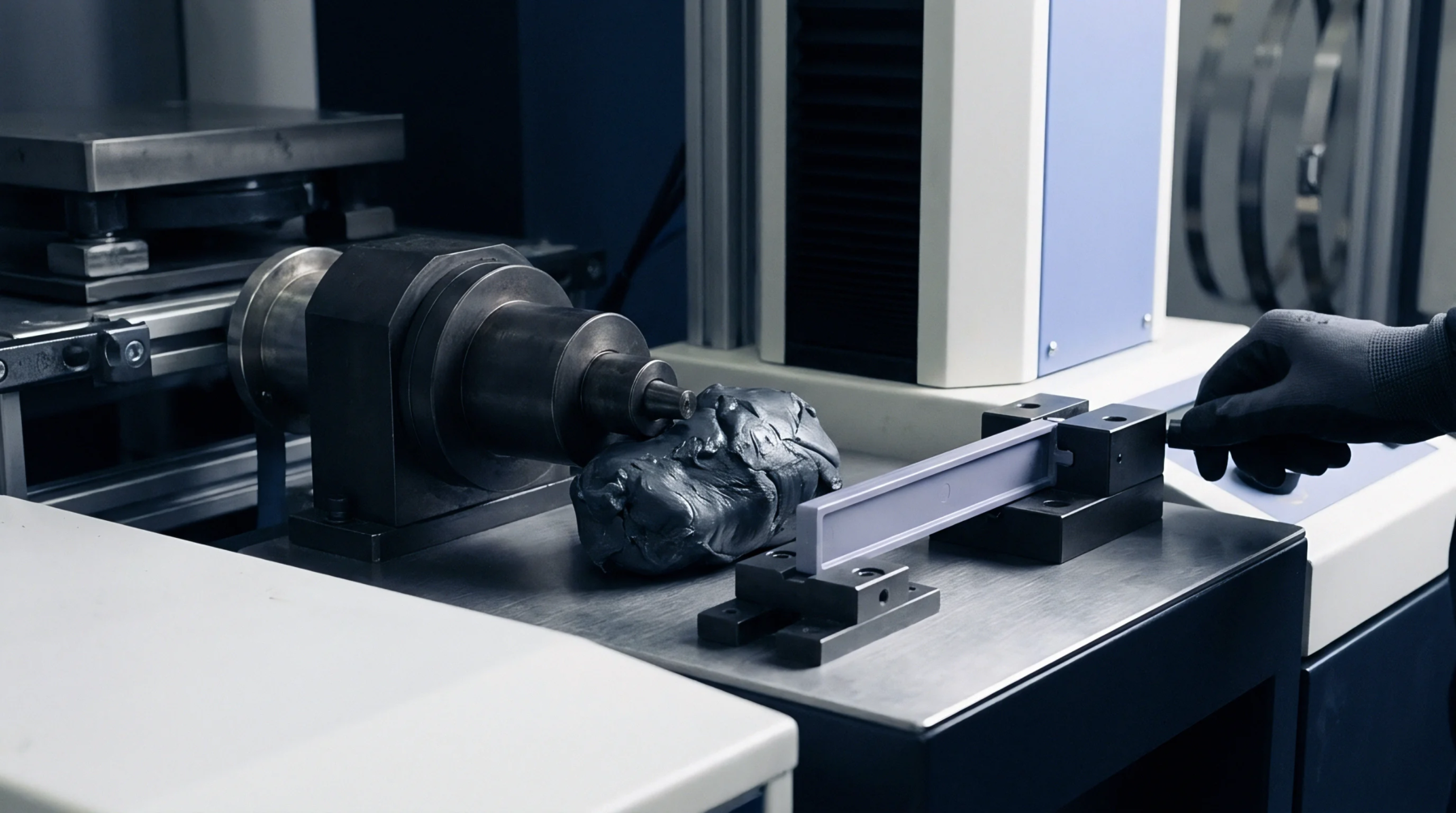
Substitutive solvent testing isolates polyolefin oligomers using isooctane or ethanol, requiring empirical reduction factors to correct for matrix swelling.

Selecting food simulants for flexible polyethylene requires matching food lipophilicity to Simulants D1, D2, or substitutes to prevent swelling extraction failures.

Polyethylene safety verification requires screening for non-intentionally added substances via chromatographic mass spectrometry tied to batch declarations.

Chromatographic baseline interference in vegetable oil limits saturated oligomer deconvolution to 5 mg/kg, far above the 0.05 mg/kg toxicological threshold.

Finite difference barrier modeling requires dual-node interface flux matching and partition ratios to generate legally valid food contact migration declarations.

Fickian diffusion modeling calculates packaging additive migration rates, requiring verified diffusion coefficients to ensure single-layer films pass regulatory limits.

Polyolefin saturated hydrocarbons migrate via temperature-dependent diffusion, requiring LC-GC-FID separation and strict C16-C35 bioaccessibility compliance checks.
Expertise is a utility, not a secret. sentiention™ publishes its working knowledge as open reference: intelligence layer covering the materials it sources, the markets it enters, and the reference that serves both.