Tool Ownership Clauses When the Steel Sits in Another Factory
Legal title to injection tooling requires separate bailment contracts, explicit payment milestone transfers, and permanent asset tagging to defeat possessory liens.
Title
Paying an invoice marked for tooling does not automatically grant legal ownership of an injection mould. Commercial payment schedules often spread tooling costs across pre-production milestones, leaving ownership vulnerable to vague contract terms while the tool is being built. The supplier holds the steel, but the buyer carries the capital expenditure on their balance sheet.
Without explicit contractual language, courts and arbitrators tend to view paid invoices as partial payments toward finished parts rather than the purchase of a standalone capital asset. Securing clear title requires separating part procurement contracts from tooling bailment agreements long before the initial plastic shot leaves the cavity.
Tooling procurement contracts frequently confuse progress payments with equity transfer. If a buyer remits thirty percent upon design approval, thirty percent upon first article sample delivery, and forty percent upon final sign-off, the toolmaker retains legal claim to the steel throughout the build. Without a dedicated title transfer clause tied to specific financial milestones, legal title stays unassigned until the final invoice clears.
If the supplier runs into financial trouble during trials, creditors will view that unfinished steel on the shop floor as unencumbered factory inventory. A buyer trying to reclaim a half-finished tool then learns that bank transfer receipts will not override local insolvency laws favoring physical possessors.
Paying for tooling and owning tooling are distinct matters, and the difference turns on purchase order language. Generic purchase orders that fold tooling costs into part piece-prices muddy asset boundaries. Moulders often bundle tool costs into unit pricing over a multi-year amortization contract, claiming title to the mould until the entire volume commitment is met.
If part volumes fall short of projections, the moulder can assert an equitable lien over the tool to recover unamortized steel and machining costs. Protecting title requires a standalone tooling purchase order that explicitly identifies the steel, hot runner systems, side-actions, and spare core inserts as the exclusive property of the buyer upon payment of designated milestones.
Paying a tooling invoice establishes proof of expenditure without conferring clear legal title over steel held in a third-party facility.
Tax rules add another layer of complexity to cross-border title transfers. If a brand owner in the United States finances a multi-cavity hardened H13 steel tool made and housed in Southern China, local tax authorities might class the title transfer as a domestic sale subject to local value-added taxes. Handing foreign-owned tooling to a local manufacturing partner can also trigger permanent establishment risks or create an unbilled asset transfer if paperwork does not show a formal bailment structure.
The legal framework needs to state clearly that the buyer holds title while granting the moulder a temporary, revocable license to use the tool solely for the buyer’s purchase orders.
Milestone Execution and Ownership Transfer Mechanics
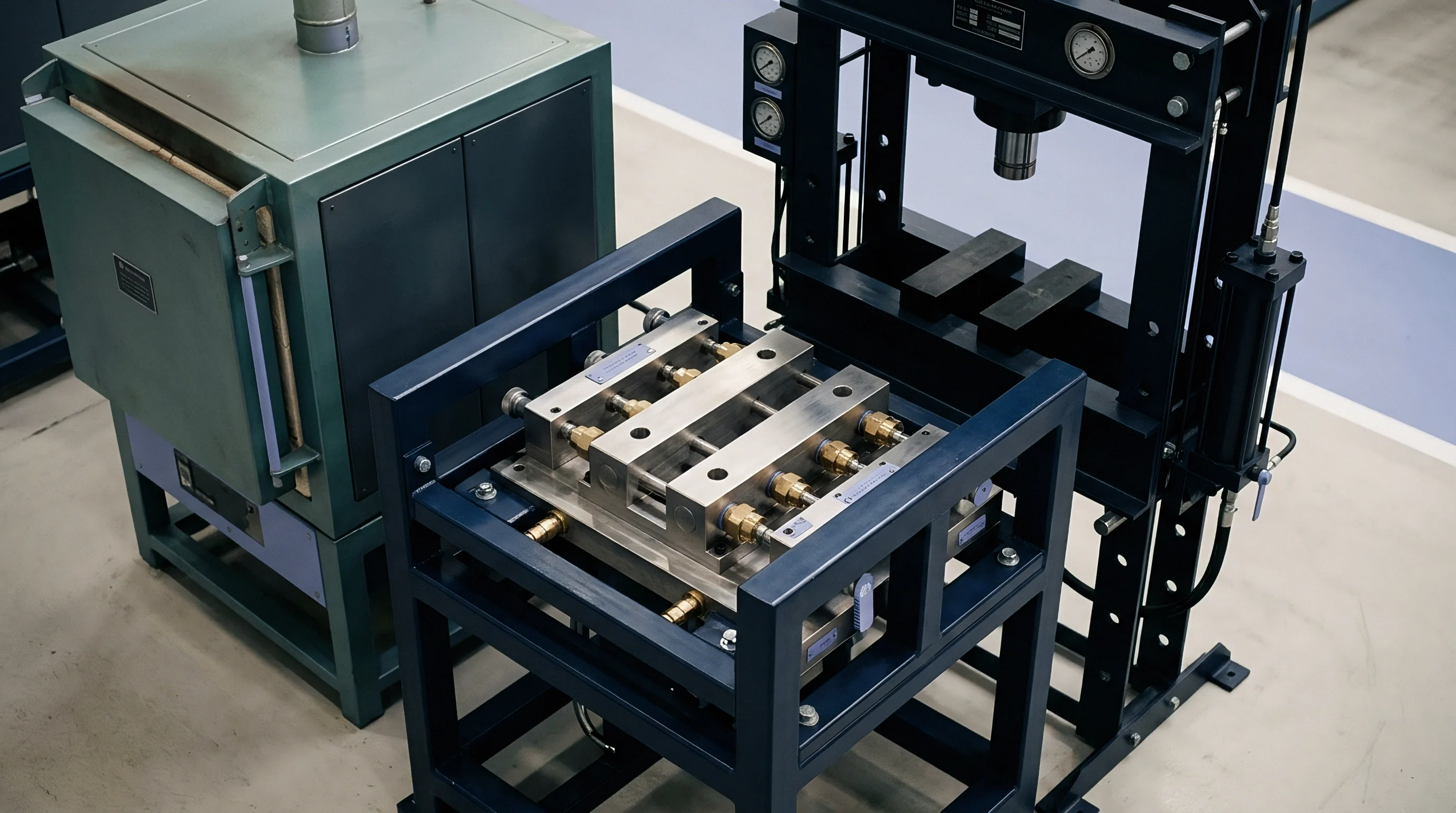
Transferring title cleanly depends on tying payment events directly to physical verification. Establishing a clear protocol gives the buyer proof of asset ownership that holds up during foreign insolvency proceedings.
- Initial deposit payment establishes a contractual reservation of rights without transferring physical asset ownership.
- Steel block delivery and preliminary CNC machining verification trigger the secondary milestone payment alongside an executed bill of sale for the raw materials.
- First article inspection approval under ISO 2859-1 sampling protocols converts equitable interest into full legal title transfer, regardless of final balance withholding terms.
- Final payment release occurs upon complete delivery of production tooling, companion drawings, electrode packages, and zero-defect initial production runs.
Signing a dedicated bill of sale at the first article milestone protects the buyer if the supplier goes bankrupt during validation. That bill of sale should list the serial number, weight, physical dimensions, external water manifold positions, and specific part numbers produced by the tool. Recording these physical details prevents a moulder’s creditors from arguing that the steel is just generic plant inventory.
Executing separate bill of sale documents for twelve multi-cavity family tools in 2021 enabled full asset recovery when the host facility went into court-ordered receivership six months later.
Amortized tooling agreements require specific structural safeguards. If tooling costs are amortized over part runs, title ought to vest progressively or transfer right away alongside a promissory note for the balance. Immediate title transfer with a cross-collateralized payment obligation leaves the buyer with legal title while reducing the supplier’s claim to simple debt.
A debt claim gives the supplier no right to keep physical custody of the steel if production stops over quality issues, and the contract should explicitly state that part quality defaults void any right to hold the mould as collateral.
Filing Uniform Commercial Code statements domestically ~ or equivalent asset registrations abroad ~ creates public notice of ownership. In North America, a UCC-1 financing statement filed against the moulder lists the tool by serial number and location, warning secondary lenders that the moulder cannot pledge the asset as credit line collateral. Most international jurisdictions lack direct UCC equivalents, which means registering with local market supervision bureaus or filing formal notarized bailment declarations with local trade authorities.
Subcontracted tool construction is a common blind spot in securing title. Moulders often outsource fabrication to specialized toolrooms without passing along the buyer’s contract terms. If the primary moulder defaults on paying the toolroom, that toolroom can slap a mechanic’s lien on the physical steel under local commercial laws.
The buyer might have paid the primary moulder every cent owed, yet the toolroom can hold the steel captive until its balance is settled. Tooling contracts should always require the moulder to deliver signed lien waivers from external toolrooms with every milestone payout.
Drafting Watertight Asset Transfer Provisions
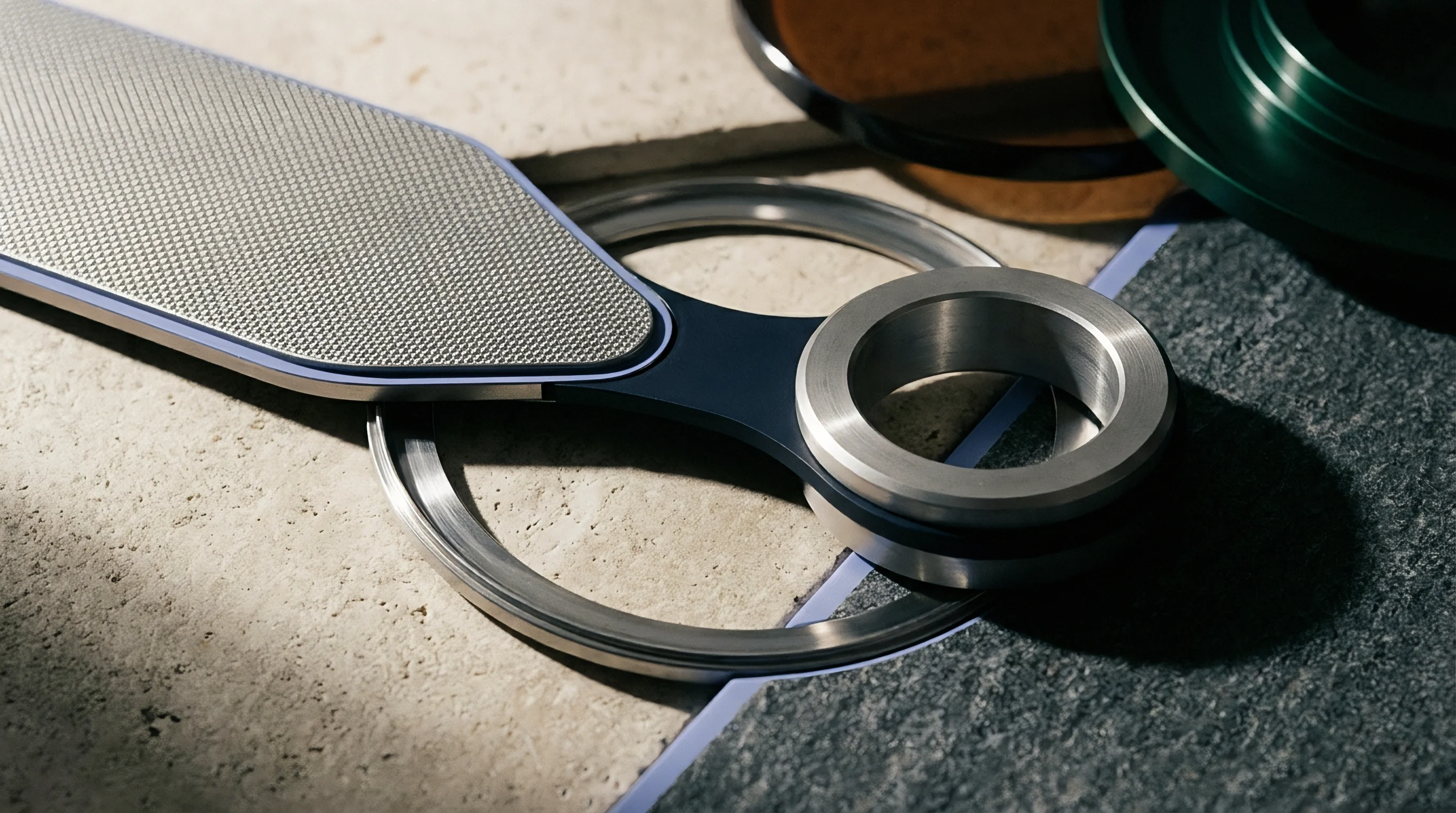
Drafting effective asset transfer clauses takes precise language that draws a hard line between physical possession and actual ownership rights. The agreement needs to state that title passes to the buyer free and clear of all liens and claims once the designated milestone is paid, regardless of who holds physical custody or whether part validation is still underway. Uncoupling title transfer from part acceptance prevents quality disagreements over molded components from clouding asset ownership.
The contract must explicitly define tooling to include every physical component needed to make the part to spec. That means mold bases, core and cavity inserts, hot runner manifolds, valve gate controllers, hydraulic cylinders, slides, lifters, core-pull mechanisms, cooling line quick-disconnect fittings, sensor harnesses, and dedicated fixture gages. Leaving out support equipment like custom hot runner control units or specialized cooling blocks lets host plants hang onto critical peripherals during a transfer, rendering the main steel block useless at another shop.
Clauses covering custom spare parts should match the ownership terms of the main mould. High-wear items like spare ejector pins, core pins, stripper rings, and hot runner tips paid for on the original tooling invoice belong to the buyer. Moulders routinely group loose spares into general plant inventory when stored in master toolroom bins, so the contract must specify that all custom spares ~ whether installed or kept as raw backup stock ~ transfer title alongside the primary mold base.
The following clause illustrates an operational title transfer provision designed for cross-border tooling agreements:
The parties agree that Title to the Tooling identified in Schedule A shall pass to Buyer immediately upon Buyer’s remittance of the Milestone 2 payment, free and clear of any security interests, liens, or claims of third parties. Supplier acknowledges that it holds physical possession of the Tooling strictly as a bailee for hire. Supplier acquires no ownership interest, equity, or right of retention over the Tooling through its possession, use, maintenance, or modification of said equipment.

Custody
Leaving a mould at a third-party factory creates a legal bailment relationship where the moulder acts as bailee and the buyer as bailor. Bailee status carries a legal duty to protect, maintain, and store the asset solely for the bailor’s benefit. Even so, possessory rights under local property laws give host plants heavy leverage during disputes.
If a moulder claims unpaid part invoices, storage fees, or setup costs, they may slap a possessory lien on the steel, keeping the tool locked inside their facility until financial claims get sorted out.
Factory insolvency is the single biggest threat to tool custody. When a host plant enters administration or files for bankruptcy, court-appointed receivers padlock the doors and inventory everything on site. Administrators work under a legal presumption that any machinery inside the building belongs to the bankrupt estate.
Pulling a buyer-owned tool back out requires filing proof of ownership in bankruptcy court ~ a process that can drag on for months while assembly lines sit idle. Without pre-filed bailment agreements registered with local regulatory bodies, receivers regularly auction off third-party tooling to pay secured lenders.
Landlord liens create another operational risk in leased facilities. Commercial leases usually give property owners an automatic lien over all machinery brought onto the premises if the tenant defaults on rent. If an injection moulder stops paying rent, the building owner can legally seize factory contents ~ including customer tooling sitting on press beds or storage racks.
Preventing this requires securing signed landlord lien waivers directly from the property owner before the tool ever enters the plant.
Bailment documentation without public asset filing fails to prevent court-appointed liquidators from padlocking buyer-owned tooling during host factory bankruptcy.
Subcontracting press capacity also dilutes custody control. Suppliers facing capacity crunches frequently move customer-owned tools to secondary, unvetted moulding shops without asking. That unauthorized move breaks the chain of custody, exposes the steel to unknown press conditions, and subjects the tool to secondary landlord liens and IP risks.
Contracts ought to mandate that moving tooling out of the primary plant requires written consent, updated insurance certificates, and executed sub-bailment filings.
Bailment Risks and Jurisdictional Protections
Handling cross-border bailment requires knowing how local courts balance physical custody against registered title. Different manufacturing jurisdictions treat third-party assets on factory floors under very different legal rules.
| Jurisdiction | Legal Bailment Mechanism | Primary Custody Risk | Mandatory Protective Filing | Typical Retrieval Timetable |
|---|---|---|---|---|
| United States | UCC Article 7 / Bailment Agreement | Landlord liens and unfiled bank security interests | UCC-1 Financing Statement naming tool explicitly | 5 to 14 business days |
| Germany | Verwahrungsvertrag (BGB § 688) | Moulder retention rights (Zurückbehaltungsrecht) | Notarized ownership declaration and inventory tagging | 10 to 30 business days |
| China | Civil Code Bailment Provisions | Customs re-classification and landlord distraint | MOFCOM / AMR Bailment registration and Asset Tagging | 30 to 90 business days |
| Mexico | Contrato de Comodato | Tax authority seizure (SAT) during local audit | Formal Comodato registration with tax ID tags | 15 to 45 business days |
In North America, filing a UCC-1 financing statement turns a private bailment agreement into a matter of public record. The filing must list the host plant as the debtor/bailee and the buyer as the secured party/owner, specifically referencing the tool serial numbers. This keeps third-party commercial lenders from bundling the mould into floating floor-plan loans or lines of credit.
If the host plant enters Chapter 11 bankruptcy, that pre-filed UCC-1 lets the buyer petition the court for immediate release and recovery of the asset.
In European jurisdictions operating under civil law codes, like Germany’s BGB, the principle of possessory retention (Zurückbehaltungsrecht) lets moulders hold customer tooling to secure outstanding account balances, including disputed part invoices. Neutralizing this right requires an explicit waiver of retention in the bailment contract. That clause compels the moulder to hand over the tool immediately on demand, pushing financial disputes into separate arbitration while keeping the physical steel out of the fight.
In Asian manufacturing hubs ~ particularly China ~ protecting tool custody requires strict administrative compliance. Chinese law treats physical possession as strong evidence of ownership unless formal public filings or notarized bailment agreements prove otherwise. If a Chinese plant hits financial trouble, local labor bureaus or municipal authorities may slap legal seals across all factory equipment to back unpaid worker wages.
Getting a tool unsealed requires presenting a Chinese-language bailment agreement, verified bank transfer records, and official tax invoices ( Fapiao ) showing the foreign company paid for the build independently.
Mexican operations rely heavily on the Contrato de Comodato (a gratuitous loan agreement) to secure tooling custody under IMMEX / Maquiladora regimes. Tax authorities (SAT) routinely audit manufacturing facilities to confirm that foreign machinery matches active import records. Placing a tool in a Mexican plant without a registered Comodato agreement detailing its temporary import status and tax ID gives SAT grounds to seize the steel as illegal foreign merchandise.
The Comodato explicitly states that custody is temporary and non-transferable while legal title stays abroad.
Custody Verification Protocols and Physical Safeguards
Maintaining custody control takes ongoing verification on the factory floor, not just signed contracts. Suppliers should be required to give audit teams prompt physical access to inspect tool condition, check asset tags, and verify shot counters. Refusing site access within twenty-four hours of written notice ought to constitute a material breach, triggering immediate retrieval rights.
Host plants also need proper storage setups when tools come off the press. Tooling left sitting on open shop floors pulls in ambient humidity, causing surface rust on polished cavity faces and internal corrosion through cooling channels. Bailment agreements must lay out specific rust-prevention steps ~ purging cooling lines dry, spraying cavity surfaces with neutral protective waxes, and storing steel in climate-controlled racks.
Failing to take these steps puts the bill for re-polishing and re-texturing squarely on the host plant.
Insurance during third-party custody needs clear contractual backing. Moulders usually carry general liability coverage, but those policies almost always exclude customer property held in their care, custody, and control. The bailment agreement must mandate dedicated “Property of Others” coverage equal to the tool’s full replacement value.
Naming the buyer as an additional insured and loss payee on the policy ensures direct payout from the insurer if fire, flood, or structural damage hits the plant.
Integrating proprietary quick-change ejection and hot runner interfaces permanently into mold bases can allow host plants to assert that three high-cavitation medical tooling bases cannot be removed without rendering them non-functional in a competitor’s press.

Plate
Physical marking connects paper ownership to the actual piece of steel sitting on the shop floor. Paper contracts and wire receipts do little during a plant audit or bankruptcy seizure if the metal itself lacks clear, permanent identification. A block of P20 or H13 tool steel mounted in a press frame looks like any other piece of shop equipment unless asset ownership is visibly and deeply engraved on the mold base.
Standard adhesive or foil asset tags don’t survive real plant conditions. Heat, solvent degreasers, hydraulic fluid, and routine press maintenance wipe out stick-on tags within weeks of setup. Liquidators and customs agents treat unlabelled metal as unencumbered facility property.
Lasting identification takes deep mechanical engraving, hard stamping, or stainless steel plates riveted into machined pockets on non-functional exterior surfaces of the mold base.
Asset plates need enough detail to clear regulatory scrutiny. They should carry high-contrast, deeply etched lettering with the legal owner’s name, corporate address, tool serial number, tracking code, build date, and part numbers produced. Adding an explicit warning string ~ like “Property of – Subject to Bailment Agreement – Possession Does Not Imply Title” ~ discourages creditors and third parties from trying to claim the tool as collateral or inventory.
Physical plates need to be backed by a full digital tool dossier to preserve technical custody. An asset tag proves who owns the steel, but the technical dossier proves how it was built and how it runs. Moulders looking to block a transfer often hold technical drawings hostage.
A complete procurement contract should require the supplier to deliver full digital engineering packages at the same time the asset plate is stamped.
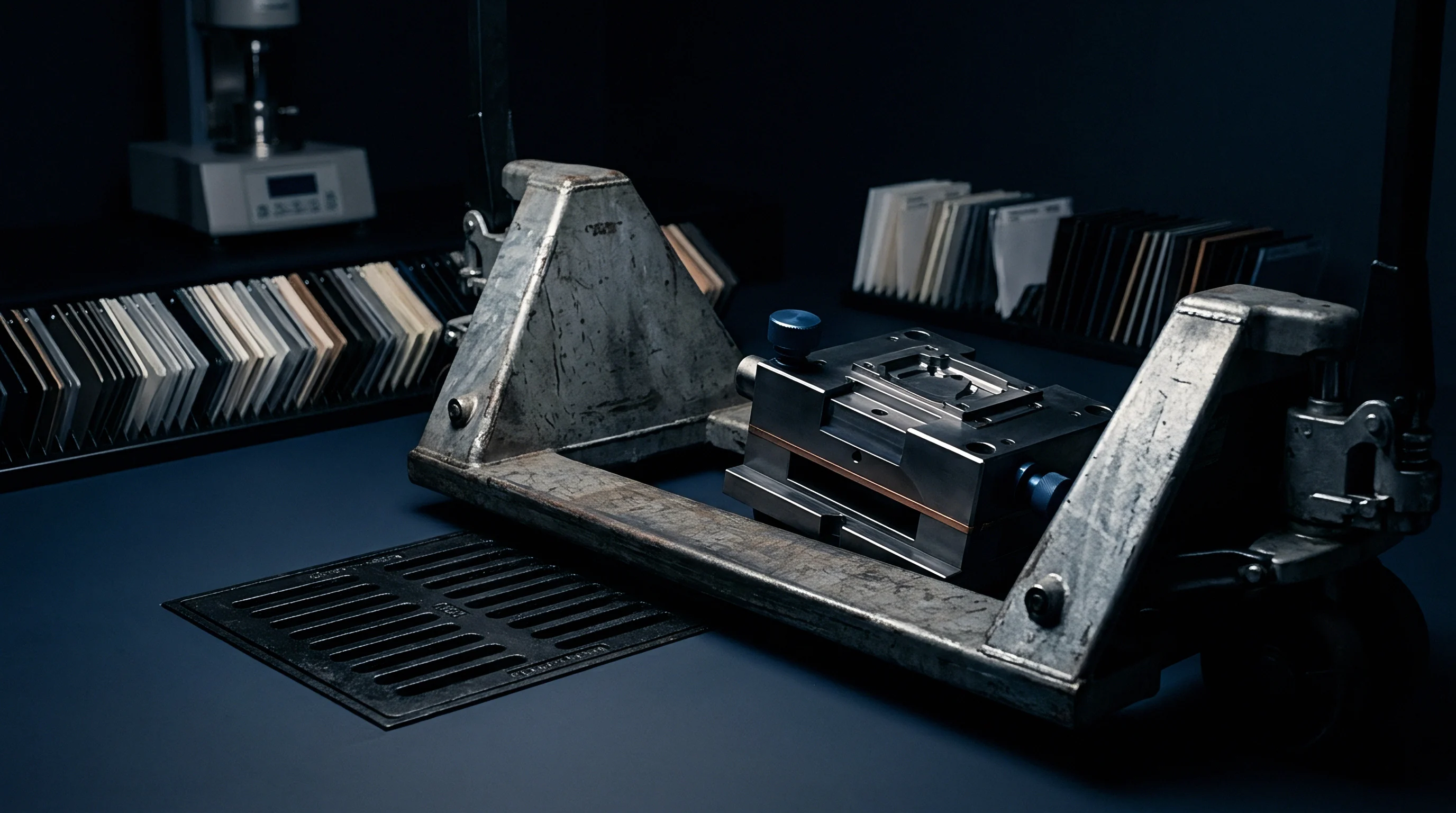
Asset Plate Marking Standards
Standardizing asset tags ensures consistency across international supply chains and speeds up customs audits during relocations.
- Anodized Aluminum Identification Plates must be mounted in machined 3.0 millimeter deep recesses on the operator side of the top clamping plate using stainless steel drive screws.
- Direct Steel Hard Stamping requires minimum 6.0 millimeter gothic character stamps driven 0.5 millimeters deep into the core and cavity block faces prior to heat treatment.
- Barcoded Asset Identifiers must utilize laser-etched 2D Data Matrix or QR formats encoding the owner asset number, tool serial code, and bailment contract reference.
- Color-Coded Visual Indicators feature high-visibility safety yellow epoxy fill inside engraved plate borders to enable rapid identification across crowded factory press bays.
Direct steel stamping serves as a permanent backup if exterior plates get damaged or pried off during a dispute. Core blocks, cavity blocks, main ejector plates, and hot runner manifolds should each be stamped with matching serial numbers before assembly. Stamping every major plate keeps host facilities from swapping hardened inserts into secondary mold bases or returning worn components to the owner.
Adding digital tracking improves what physical plates can do. Modern asset tags can house passive, high-temperature RFID transponders tucked behind non-metallic covers that handle molding temperatures up to two hundred degrees Celsius and automated washdowns. Auditors can scan the transponder with handheld readers to verify ownership, maintenance history, and shot counts on the fly without stopping active press runs.
Does Physical Marking Guarantee Asset Recovery during Disputes?
Physical marking provides clear evidence of ownership, but it won’t stop a host shop from holding onto a tool physically. Asset tags establish prima facie proof in court, knocking down claims that the mould is general factory stock. But if a plant locks its gates or blocks transport trucks, an asset plate won’t extract the tool without a court order enforcing it.
Getting a tool back often depends on combining physical plates with full technical dossiers. If a moulder knows the buyer has complete duplicate CAD files, electrode drawings, and CNC programming packages, their leverage in holding the steel evaporates. They realize the buyer can quickly re-machine inserts or move production elsewhere.
Holding physical metal captive becomes useless when the IP needed to run and maintain it lives safely with the buyer.
A complete tool dossier package must contain the following technical assets:
- Fully detailed 3D CAD models of the complete mould assembly in native format and unencrypted STEP files, including all sub-assemblies, slides, lifters, and ejection systems.
- Complete 2D manufacturing drawings for every custom component, specifying raw material grades, hardness levels (Rockwell C scale), surface finish specifications (VDI 3400 / SPI standards), and DIN 16742 tolerance grades.
- Hot runner system schematics, including heater element electrical schematics, zone wiring diagrams, thermocouple specifications, and spare parts list with OEM component numbers.
- Complete cooling channel schematics detailing water circuit flow rates, pressure drops, line diameters, and internal baffle locations.
- First article inspection reports (FAIR) alongside T1 trial processing sheets, documenting barrel temperature profiles, injection speed profiles, hydraulic peak pressures, hold pressure times, and cooling durations.
Permanent physical marking combined with off-site custody of full 3D CAD dossiers eliminates a host moulder’s leverage during commercial retention disputes.
Keeping the dossier updated over the tool’s life is just as critical. Moulders often execute engineering change orders (ECOs) ~ tweaking core pins, gate sizes, or ejection setups to boost yield ~ without updating master CAD files. The bailment agreement should require updated CAD models and drawings within ten business days of any physical modification.
Accepting modified parts without getting updated drawings leaves the buyer with an obsolete technical package that will cause headaches during a future transfer.
A simple test for technical readiness: if a custom component can’t be manufactured straight from the off-site dossier within forty-eight hours, the dossier is incomplete and the asset remains exposed.

Wear
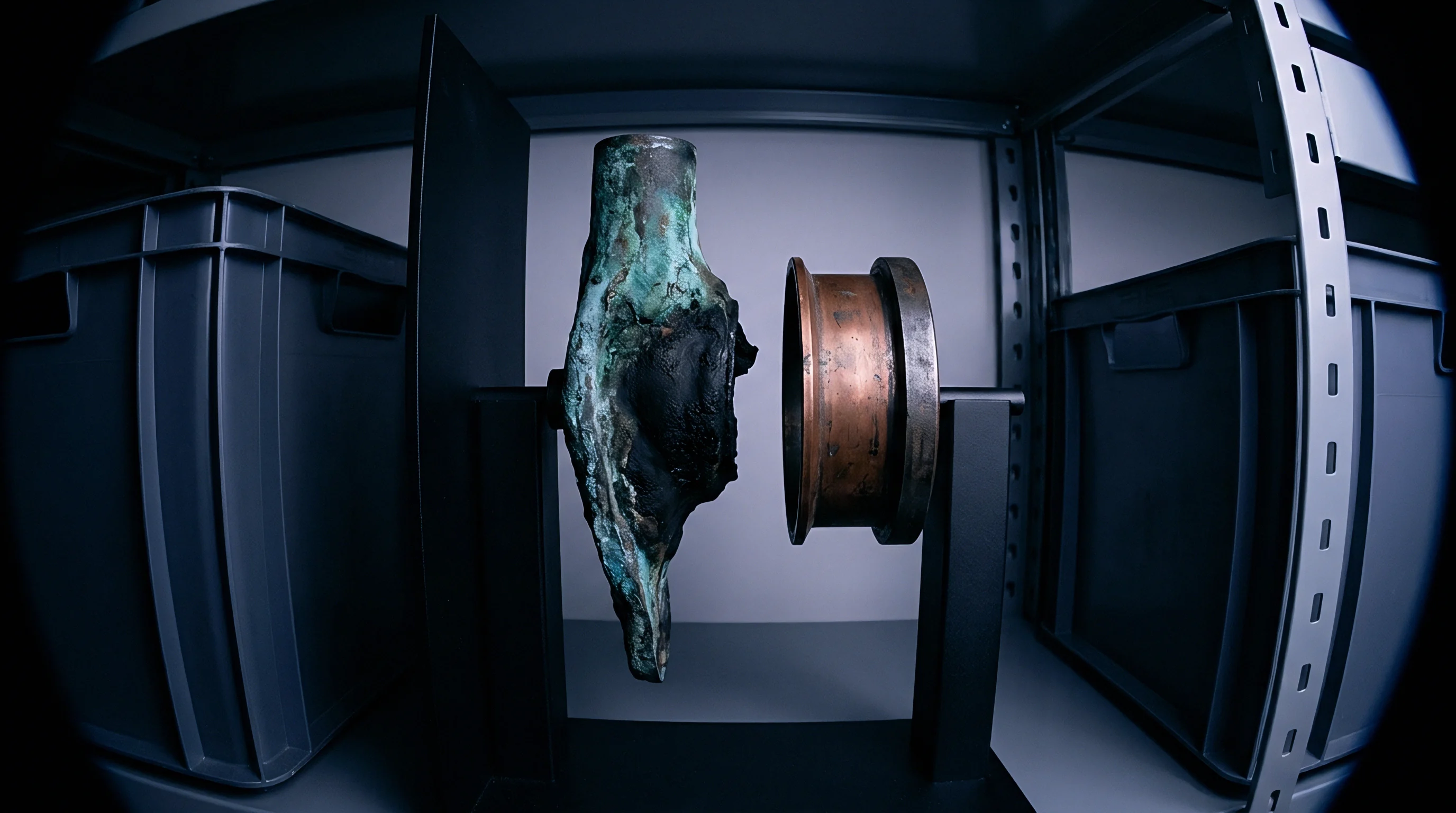
Injection moulds are working assets that degrade cycle by cycle. Steel faces absorb mechanical shock, thermal cycling, friction from abrasive resins, and corrosive off-gassing. Defining ownership without spelling out maintenance duties and wear thresholds leads directly to premature asset loss.
Moulders running third-party tooling have every incentive to push shot speeds and skip maintenance windows to maximize output, which risks severe cavity erosion or catastrophic mechanical failure.
Sorting normal wear from operator neglect causes endless arguments. Normal wear covers predictable gate erosion, slight venting wear at parting lines, and expected spring fatigue on ejector returns. Negligent damage is core pin breakage from cold shots, cavity flashing caused by over-tonnage or excessive pressure, and scored surfaces from unlubricated side-actions.
Tooling contracts need clear physical criteria to separate natural wear from operational abuse, putting full financial responsibility for operator error on the host plant.
Shot-life guarantees define what a toolmaker promises and what a host moulder is expected to protect. Steel selection sets the floor: an SPI Class 101 tool in hardened H13 (50-54 HRC) carries a minimum guarantee of one million cycles, while an SPI Class 103 tool made from P20 pre-hardened steel (28-32 HRC) is rated for up to one hundred thousand cycles. The tooling agreement must require scheduled maintenance at defined shot counts to ensure the steel actually reaches its rated lifespan.
Preventative maintenance must be tracked in shop-floor logs open to buyer audit. Basic maintenance ~ cleaning parting lines, degreasing core and cavity faces, clearing water channels, lubricating slides, and checking ejectors ~ should happen every twenty-five thousand shots. Major overhauls at one hundred thousand or two hundred fifty thousand cycles require pulling the tool from the press, stripping core and cavity plates, replacing worn ejector pins, re-lapping parting lines, and pressure-testing internal cooling circuits.
A moulder that fails to keep certified PM logs loses their defense against wear claims if structural steel fails.
Steel Grades, Wear Limits, and Cost Allocation
Tool steel selection sets the physical boundaries for wear, maintenance schedules, and replacement costs across the tool’s life.
| SPI Mold Classification | Core & Cavity Material Grade | Hardness Rating (HRC) | Rated Shot-Life Expectancy | Mandatory PM Interval (Shots) | Refurbishment Cost Responsibility |
|---|---|---|---|---|---|
| Class 101 (High Volume) | 1.2344 / H13 Premium Hardened | 50 – 54 HRC | 1,000,000+ | 25,000 / 100,000 | Supplier (up to rated life) / Buyer (beyond) |
| Class 102 (Medium/High Volume) | 1.2738 / P20+Ni Pre-hardened | 32 – 36 HRC | 500,000 | 15,000 / 50,000 | Shared 50/50 after 250,000 shots |
| Class 103 (Medium Volume) | 1.2312 / P20 Standard | 28 – 32 HRC | 100,000 | 10,000 / 25,000 | Buyer exclusive after initial validation |
| Class 104 (Low Volume) | Aluminium 7075-T6 / QC-10 | 150 HB (Brinell) | 10,000 to 25,000 | 5,000 / 10,000 | Buyer exclusive |
Resin choice radically changes wear rates. Unfilled resins like polypropylene (PP) or polyethylene (PE) cause very little cavity wear. But engineering resins with glass fiber (like 30% glass-filled PA66) or flame retardants act like abrasive slurry under high injection speeds, eroding gates and dulling parting lines within fifty thousand cycles.
When running abrasive resins, the agreement should mandate hard surface coatings ~ such as Titanium Nitride (TiN) or Physical Vapor Deposition (PVD) ~ and define replacement intervals for gate inserts, building those costs directly into the part piece price.
Refurbishment clauses establish who pays for major overhauls when a tool reaches its rated shot limit while production is still running. If an SPI Class 101 tool hits its guaranteed one million cycles, the buyer pays for re-machining cavity inserts or replacing the tool. But if the tool drifts out of DIN 16742 dimensional specs before hitting its guaranteed shot count, the moulder restores the steel at their own expense.
Catching dimensional drift requires periodic quality audits that check sample dimensions against T1 baseline data.
Monitoring wear requires tamper-proof shot counters. Physical, non-resettable mechanical counters must be installed directly on the mold base, recessed into the plate to prevent tampering or damage. Modern smart counters track total cycles along with average cycle times, thermal spikes, and acceleration profiles.
The contract should state that removing, bypassing, or resetting a cycle counter without buyer consent triggers an immediate physical and dimensional audit of the steel at the moulder’s expense.
Failing to specify whether replacing worn bronze nitrided drive gears falls under routine maintenance or capital repair resulted in a thirty-eight thousand dollar refurbishment cost on a sixteen-cavity unscrewing closure tool.
Retrieval
Pulling an injection mould out of a factory to transfer it elsewhere is rarely smooth. Host moulders losing production volume almost never make transfers easy ~ they stall on plant access, claim the tool is unsafe to rig, demand spurious storage fees, or hand back a damaged mould. Having a clear retrieval framework turns what is usually a high-friction extraction into an orderly technical handover.
Physical access rights are the cornerstone of tool retrieval. The bailment contract must grant the buyer and their logistics partners unhindered access to the plant during normal business hours to inspect, pack, and load the tooling. That clause needs to state explicitly that access rights survive contract termination, stopping the moulder from locking doors behind an expired agreement.
The contract should also require the moulder to provide adequate overhead crane capacity and qualified riggers to lower the steel safely onto trucks.
Technical compatibility needs checking long before physical removal. Moving a tool to a new press room without matching machine parameters causes costly downtime. The receiving facility must match or exceed the original press specs ~ platen dimensions, tie-bar spacing, mold daylight openings, ejector stroke, hydraulic core-pull sequencing, water quick-disconnects (like Parker or Hasco), and hot runner zone configurations.
Skipping this audit before transit leads to unexpected shop charges for modifying clamping plates or ejector pin locations after the tool arrives.
Cross-border transfers introduce regulatory, tariff, and customs headaches. Shipping a tool internationally requires precise Harmonized System (HS) code classification ~ typically HS 8480.71 for plastic injection moulds. Customs agencies evaluate foreign-built tooling on its remaining depreciated value.
If the tool originally entered under a temporary duty-suspension program (like Mexico’s IMMEX or China’s processing trade scheme), removing it for export or transfer to a non-bonded plant triggers immediate duty liabilities and VAT re-assessments. The logistics plan must specify who handles export clearances and customs filings.

Pre-Exit Audit Protocols and Physical Release Checklists
A successful tool transfer depends on a rigorous pre-exit inspection. Taking steel off the floor without a joint visual and dimensional audit effectively waives the buyer’s right to claim damages for missing components or improper handling.
- Dry-Cycle Press Run Verification requires mounting the tool in a press to verify smooth mechanical operation of ejector plates, side-actions, and core-pull sequences without plastic melt injection.
- Cooling Circuit Pressure Testing demands purging all water lines with compressed air followed by hydro-testing at 6.0 bar water pressure for thirty minutes to check for internal rust blockages or o-ring leaks.
- Hot Runner Electrical Continuity Checks require measuring resistance across every heating element and thermocouple zone using a digital multimeter to identify burnt-out heaters or shorted wiring harnesses.
- Parting Line Visual Inspection uses optical magnification to check for flash damage, steel rolling, crush marks, or improper hand-grinding along critical sealing shut-offs.
- Complete Component Inventory cross-references physical parts against the original BOM, accounting for spare core pins, hot runner tips, water jumpers, and controller cables.
Documenting condition during exit requires a sign-off sheet signed by both parties. If the host moulder refuses to participate, the buyer’s technician should conduct the inspection alone ~ taking high-res, time-stamped photos and video of all plate faces, cavity surfaces, and electrical boxes. That record is critical evidence if the moulder later claims the tool was in working order when it cleared their dock.
Proper packing protects delicate steel surfaces during transport. Injection tools should be locked closed using heavy-duty transport latches bolted across the parting line. Cavities must be cleaned, dried, and coated with a thick layer of non-acidic rust-preventative wax.
Internal water lines need to be blown dry with nitrogen gas so residual moisture can’t freeze or oxidize channels during ocean shipping. Finally, the tool must be vacuum-sealed in heavy VCI (Vapor Corrosion Inhibitor) plastic, strapped to a heat-treated wooden pallet matching ISPM-15 standards, and fully crated.
Exit fees need pre-negotiated boundaries. Host moulders regularly try to bill extraction charges, removal fees, or unamortized setup costs before releasing steel. The primary contract should state that no exit or removal charges apply unless explicitly listed in the original tooling PO.
The agreement must also specify that holding tooling over unpaid part invoices on separate purchase orders constitutes conversion of property, making the moulder liable for consequential losses like assembly line shutdowns downstream.
Will the receiving press room require custom platen adapter plates or modified ejector extensions to run the incoming steel safely at target cycle rates?
Redress
When contracts, bailment filings, and asset plates fail to stop a host moulder from withholding or damaging a tool, formal legal redress becomes necessary. Resolving international tooling disputes means choosing mechanisms that deliver enforceable remedies rather than endless litigation. Suing a foreign supplier in their local court often leads to home-court bias and delays.
A solid dispute framework pairs international arbitration with clear interim relief provisions to get the tool back quickly.
Jurisdiction clauses set where and how disputes are handled. General commercial contracts often pick the buyer’s home courts, but local judges cannot dispatch officers across borders to enter a foreign factory and seize steel. Effective enforcement requires selecting venues recognized under international treaties.
In cross-border manufacturing, naming established arbitration centers ~ like the Singapore International Arbitration Centre (SIAC), the Hong Kong International Arbitration Centre (HKIAC), or the International Chamber of Commerce (ICC) ~ yields awards enforceable in over one hundred and sixty countries under the New York Convention.
Interim relief provides the legal mechanism to pull tooling out before full arbitration wraps up. Final arbitration can take twelve to eighteen months ~ a delay that will cripple a product line dependent on a single set of tools. Contracts must explicitly allow parties to seek emergency interim injunctive relief, such as asset preservation or immediate surrender orders, from emergency arbitrators and local courts where the steel sits.
An interim order lets local authorities secure and extract the tool while monetary claims get sorted in arbitration.
Liquidated damages clauses set daily financial penalties for unauthorized retention. Proving actual lost profits or line-down costs in court requires complex financial accounting that suppliers always challenge. A liquidated damages clause sets a fixed daily penalty ~ say, one thousand to five thousand dollars per day ~ for every day the moulder delays tool release past the mandatory exit date.
Courts enforce these provisions as long as the daily rate reflects a reasonable pre-estimate of harm rather than a penalty, creating immediate financial pressure on the host plant to hand over the steel.
Having alternative manufacturing contingencies neutralizes a moulder’s leverage during a dispute. Relying entirely on a single tool leaves a buyer vulnerable. Companies running high-volume programs manage this risk by commissioning duplicate inserts or secondary prototype tooling stored at an independent facility.
When a host moulder sees that keeping the steel won’t cut off the buyer’s product supply, their leverage disappears and out-of-court settlement comes quickly.
Enforcing property rights across borders comes down to pairing legal mechanisms with physical readiness. A buyer who maintains clear title milestones, registered bailment filings, permanent asset tags, complete off-site CAD dossiers, and pre-negotiated exit protocols keeps control of their manufacturing assets. Steel sitting in someone else’s factory is always an operational risk, but solid governance ensures that physical possession remains subordinate to legal ownership.