Meaning
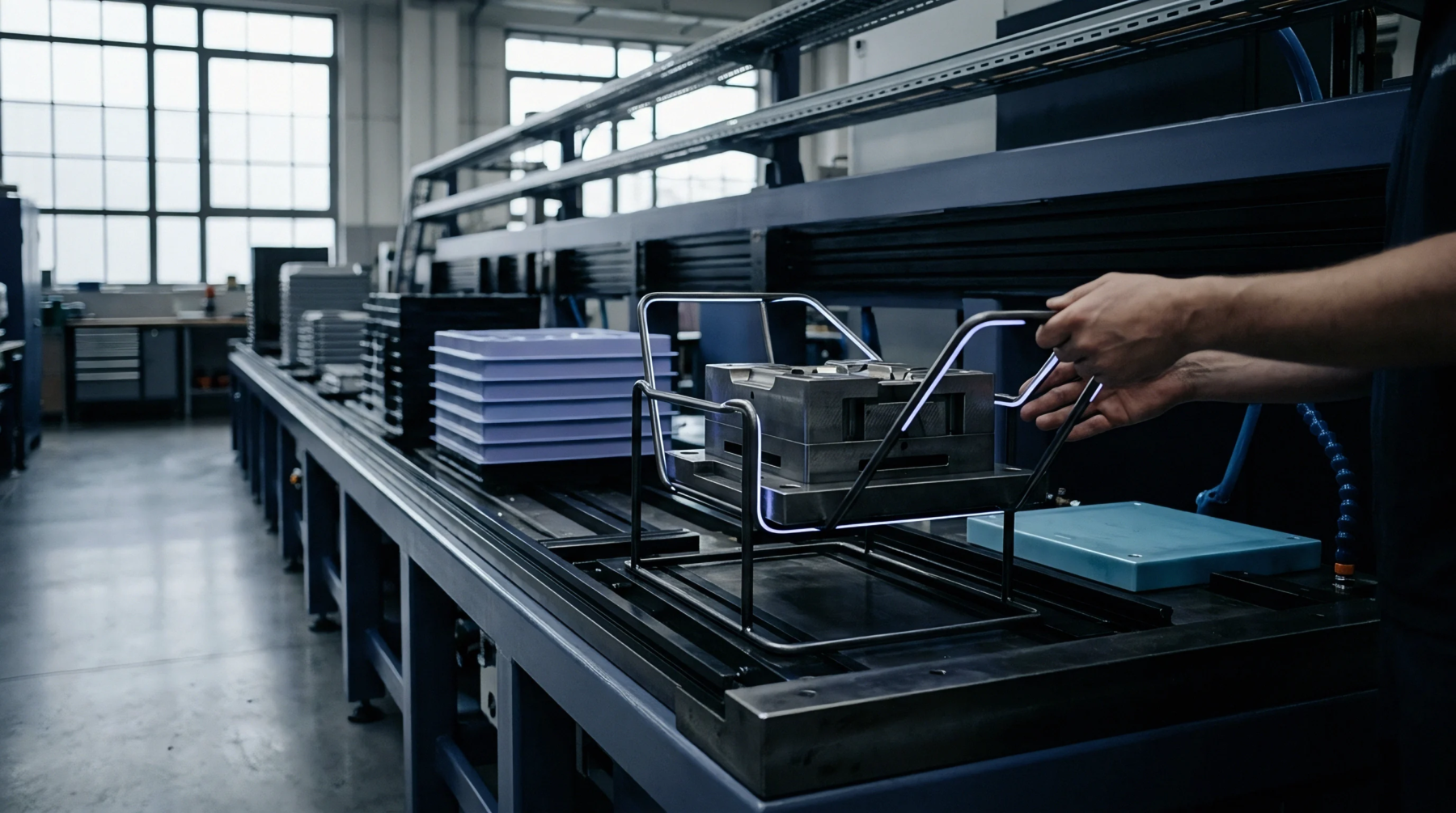
Legal contracts establishing non-possessory custody of customer-owned molds or equipment govern relationships between asset owners and contract manufacturing suppliers. Executing a tooling bailment agreement ensures that an injection mold placed in a supplier factory remains exclusive property of the customer while granting the supplier restricted rights to produce parts. Original equipment manufacturers deploy these legal instruments to secure expensive production assets against vendor financial distress or unauthorized third-party production.
The agreement loses force if the asset owner assigns tool ownership to the contract manufacturer through secondary sales contracts.
Ownership Protection
Express contract terms state explicitly that physical possession confers no legal title or financial encumbrance rights to the manufacturing vendor. Drafting a thorough tooling bailment agreement requires affixing permanent identification plates onto the mold base that clearly display true customer ownership. Molders are contractually prohibited from pledging customer tooling as collateral for business loans or equipment leases.
Asset plates prove customer ownership during bankruptcy audits at supplier facilities.
Maintenance Obligation
Custodial contracts define routine preventative care, repair responsibilities and tool wear limits during active production runs. Incorporating maintenance protocols into a tooling bailment agreement ensures the molder maintains mold cavity surfaces, cooling channels and ejector systems in optimal working order. Molders must document tool maintenance history and seek owner approval before making permanent modifications to cavity geometries.
Clear maintenance boundaries prevent premature tool degradation and part dimensional drift.
Mold Repossession
Asset owners retain rights to retrieve tooling immediately upon contract termination. Prompt removal prevents production downtime during vendor disputes.