Meaning
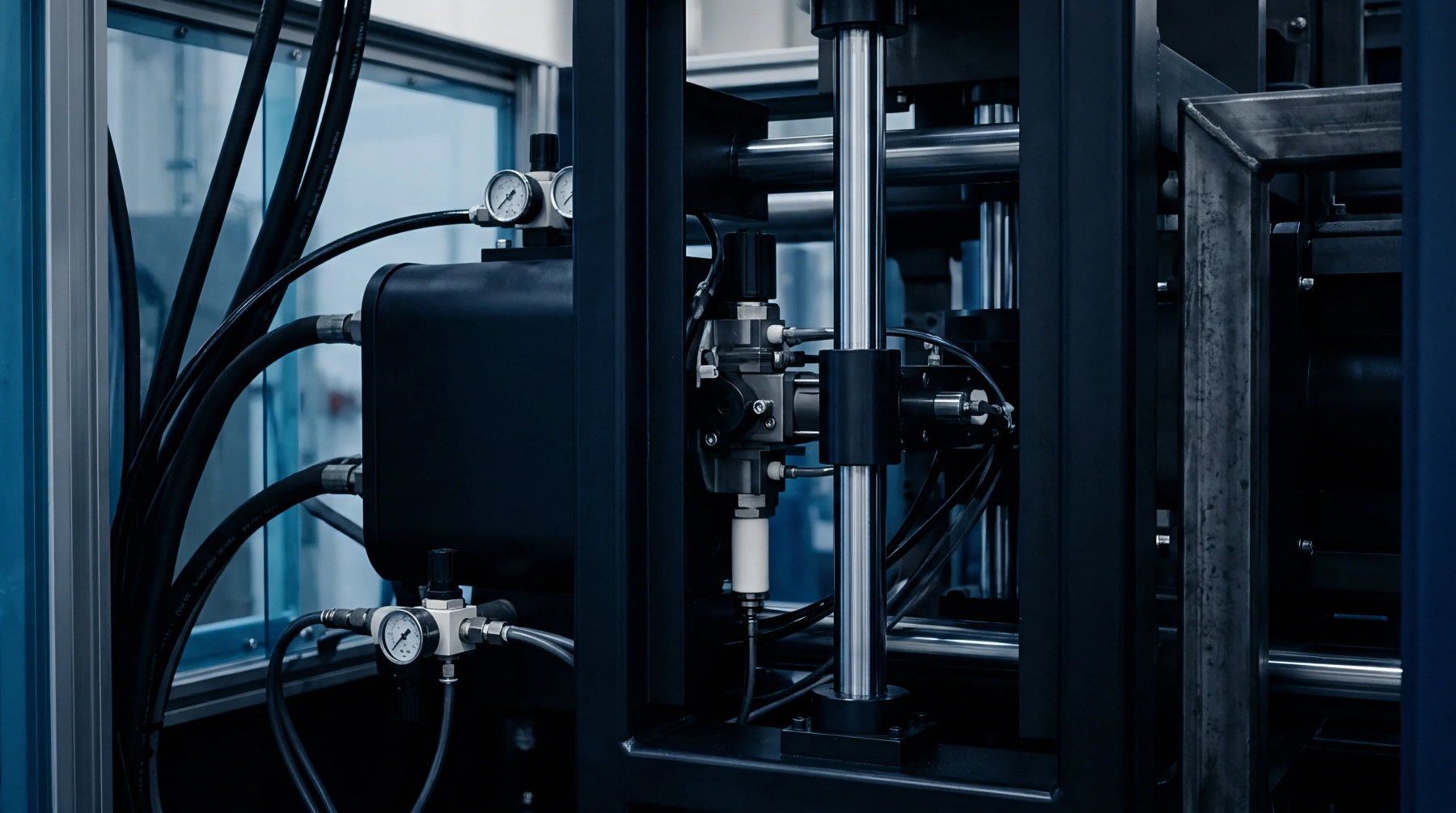
Changes in the initial tension or compression of a mechanical system occur as the temperature of the components rises. In an injection moulding machine, the expansion of the tie bars or the mould base can alter the effective clamping force. This thermal pre load drift happens as the machine reaches its steady-state operating temperature.
Maintaining Force
Constant seal on the parting line is difficult when the metal components grow in length. If the machine does not have an automatic tie bar adjustment, thermal pre load drift can cause the clamp force to increase, potentially crushing the mould or damaging the platens. Conversely, a cooling mould might cause the force to drop.
Flash Variance
Dimensional errors often appear during the first hour of production as the system warms up. This period of thermal pre load drift requires frequent monitoring to ensure the parting line remains closed under the high pressure of the injection stroke. Advanced controllers use sensors to detect these changes and compensate in real time.
Tooling Design
Engineers account for heat expansion by selecting materials with compatible coefficients of thermal expansion. If the mould base and the machine platens expand at different rates, thermal pre load drift can introduce stresses that lead to premature fatigue. This mechanical strain can shorten the lifespan of the guiding components.
Proper insulation between the mould and the platen reduces the transfer of heat into the machine frame.