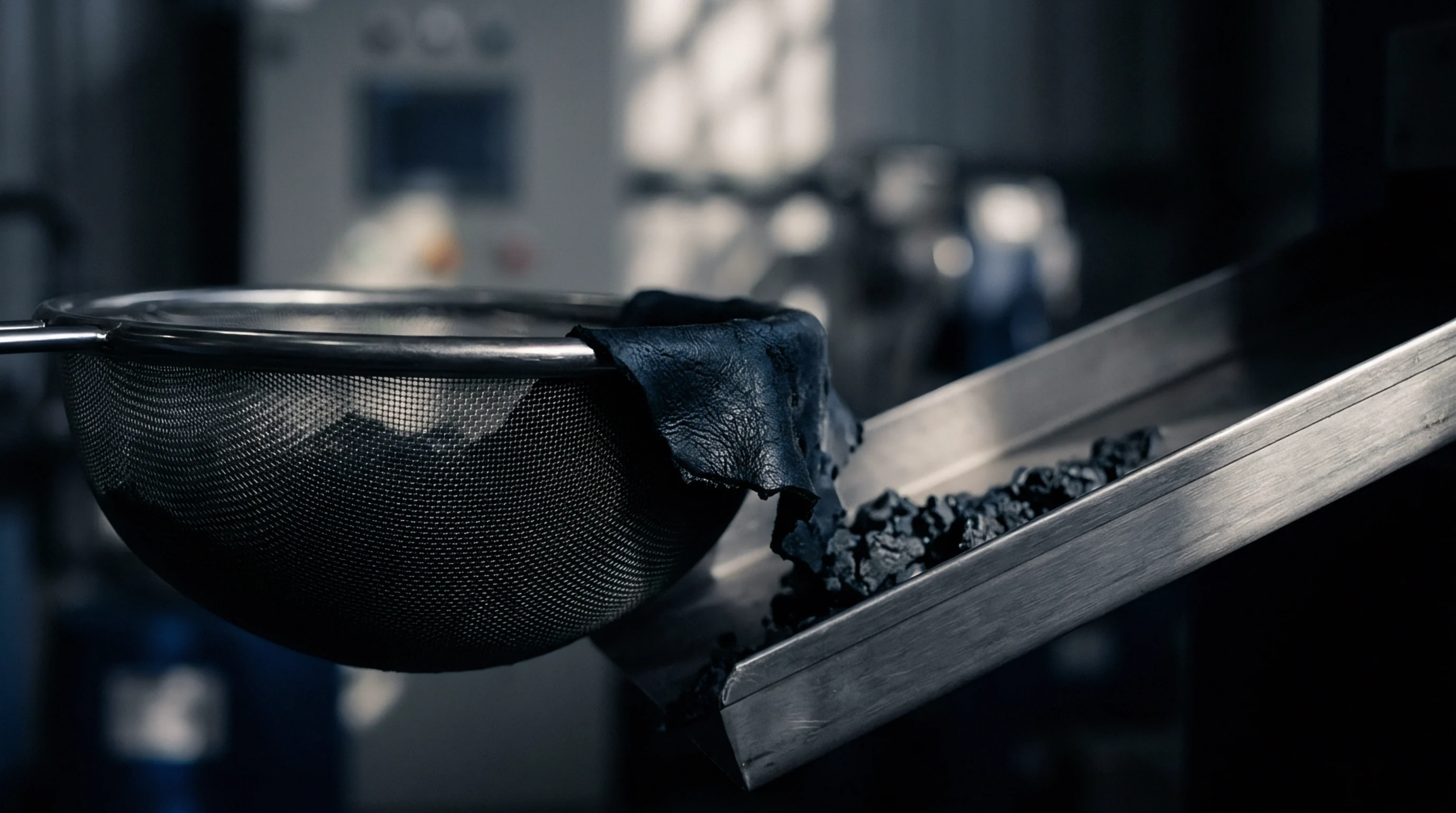
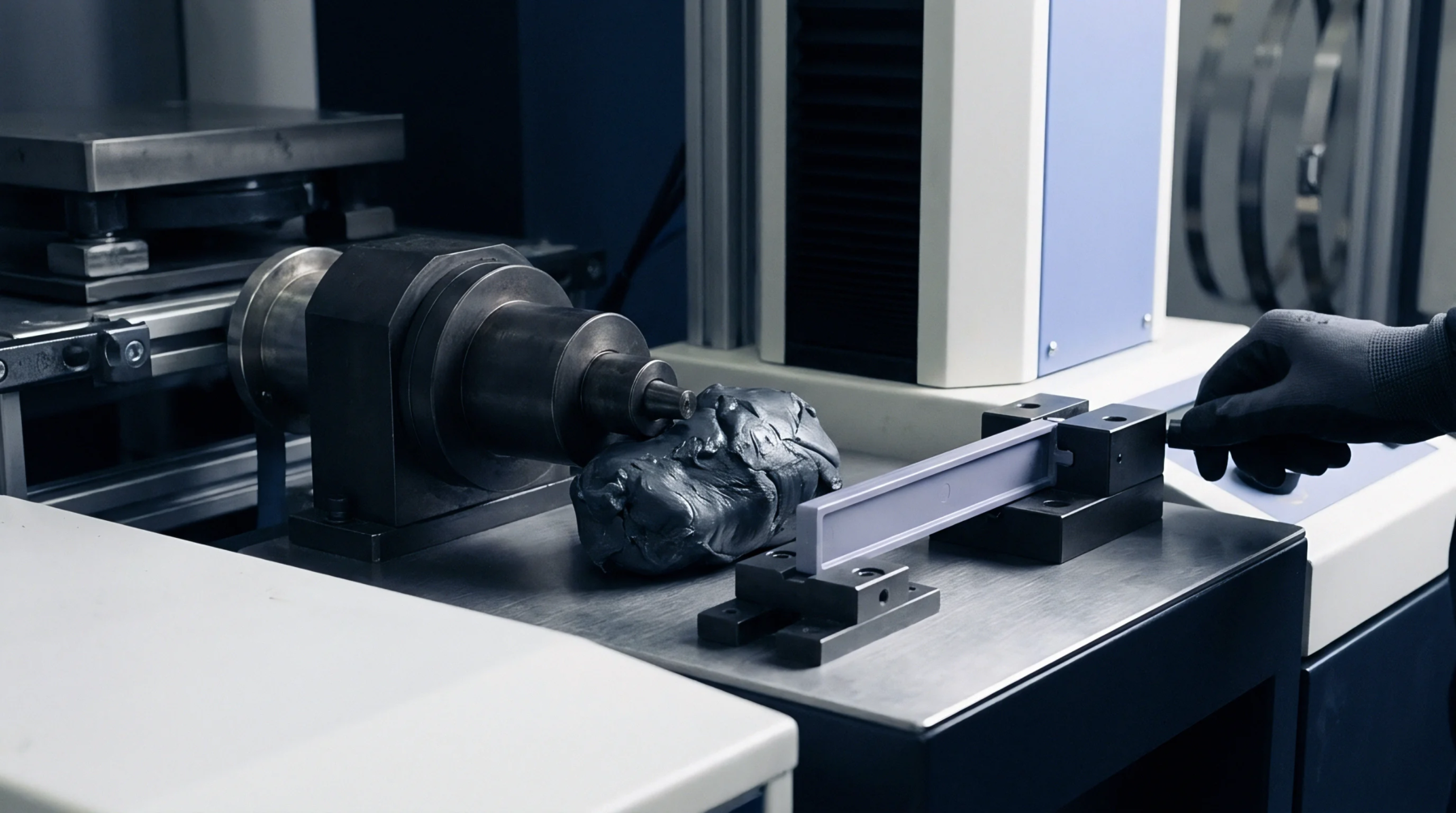
Meaning
High density polyethylene pipe resin withstands 10 megapascal of hoop stress for 50 years at 20 degrees Celsius. This performance designation classifies pe100 materials as the industry standard for pressurized water and gas distribution networks. The classification relies on a long term hydrostatic strength test where the pipe material remains stable under continuous pressure without brittle failure.
Moulding Performance
Processing characteristics determine how efficiently these resins transit through extrusion lines. Manufacturers select pe100 grades to balance melt flow rate against resistance to slow crack growth during the cooling phase. Low melt flow index options provide the mechanical toughness required for large diameter pipes but demand higher extruder power and precise temperature control.
Drift in these thermal variables results in uneven wall thickness or residual stress within the pipe geometry, which degrades the expected service life.
Economic Specification
Material purity dictates the utility of these polymers across heavy duty infrastructure projects. Virgin resin supplies offer documented consistency required for certification, whereas regrind incorporation shifts the failure mode risk upward due to polymer degradation during previous melt cycles. Procurement teams assess the batch stability against the reference curve to confirm that the compound maintains its pressure rating.
High consistency avoids costly onsite pipe bursts that occur when the molecular weight distribution fails to meet the long term strength requirement.
Global Classification
Pressure pipe standards rely on this classification to define safe operating envelopes for municipal supply lines. Standardization authorities fix the pe100 category based on hydrostatic strength testing conducted at specific temperatures to ensure global interoperability between fittings and pipe segments. Regional code bodies adopt these performance metrics to mandate the minimum safety factors for public utility systems.
Consistency in these standardized ratings ensures the predictable mechanical response of underground infrastructure over multi-decade cycles.