Meaning
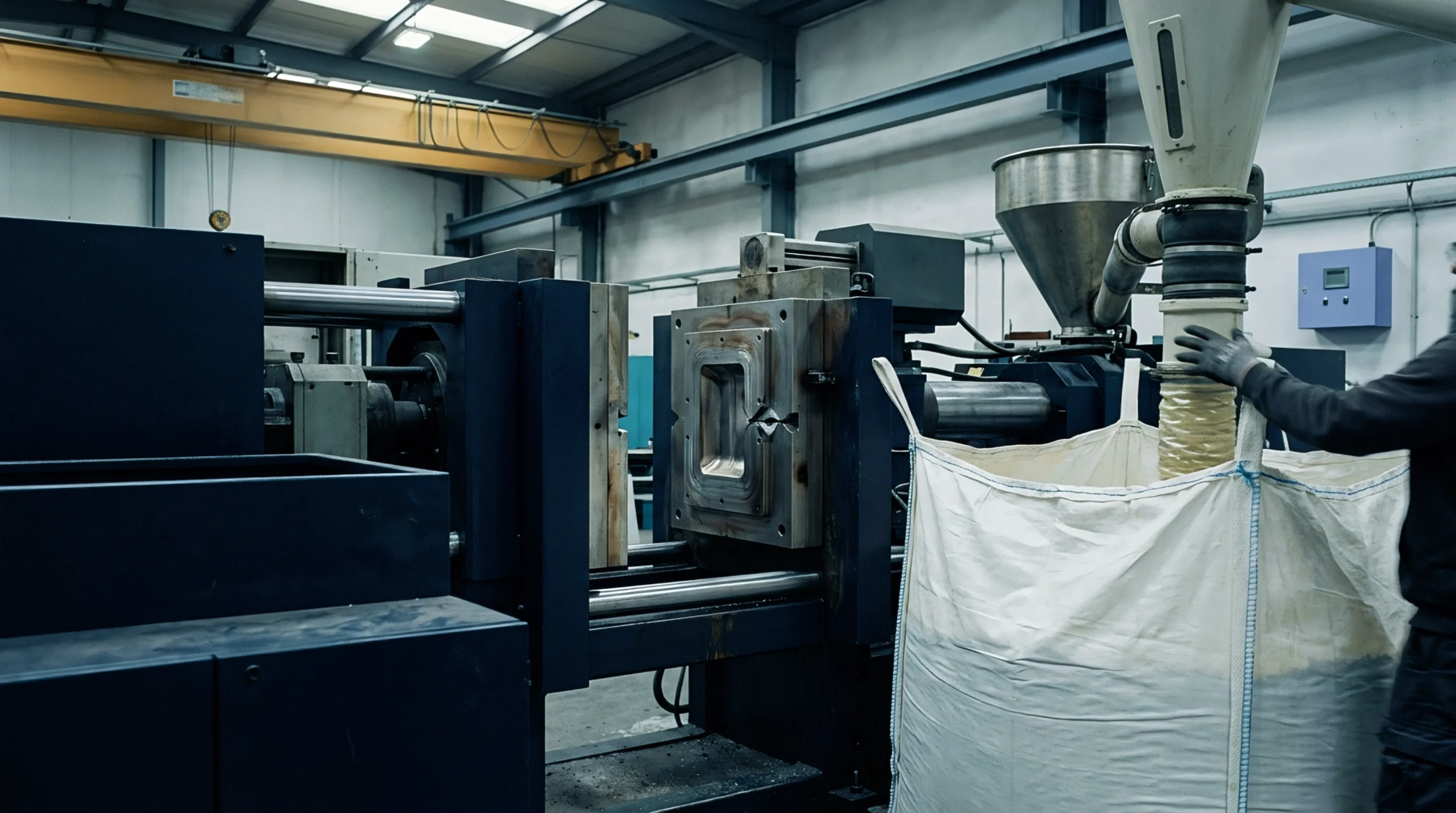
Industrial refrigeration systems remove heat from process fluids to maintain precise temperature control in manufacturing environments. Modern chillers provide the necessary cooling for hydraulic circuits and mould cavities during the injection moulding cycle. These units utilize a vapour-compression or absorption cycle to transfer thermal energy from the process water to a secondary medium.
A stable supply of chilled water prevents the thermal drift that leads to variations in part dimensions and surface finish.
Heat Exchange
Evaporators transfer heat from the circulating process fluid to the refrigerant liquid inside the closed loop. In the context of chillers, the efficiency of this exchange determines the overall energy consumption of the cooling system. Fouling on the internal heat exchanger surfaces reduces the cooling capacity and forces the compressor to run for longer periods.
Regular water treatment protects these components from scale and corrosion.
Compressor Performance
Displacement or centrifugal mechanisms compress the refrigerant gas to raise its temperature above the ambient surroundings. High-efficiency compressors within chillers adjust their output based on the actual thermal load of the production floor. When the load drops during partial shifts, variable frequency drives allow the system to scale down power consumption.
This modulation prevents the rapid cycling of the motor and reduces mechanical wear.
Cycle Stability
Precise regulation of the coolant temperature ensures that the transition from a molten state to a solid state occurs at a predictable rate. Portable or central chillers maintain the setpoint within narrow tolerances to prevent the formation of internal voids or sink marks. If the cooling water temperature fluctuates, the resulting change in the shrinkage rate compromises the final part quality.
Consistent thermal management supports the use of high-regrind ratios without sacrificing structural integrity. Process data logs show that maintaining a constant delta between the inlet and outlet leads to the most stable moulding window.