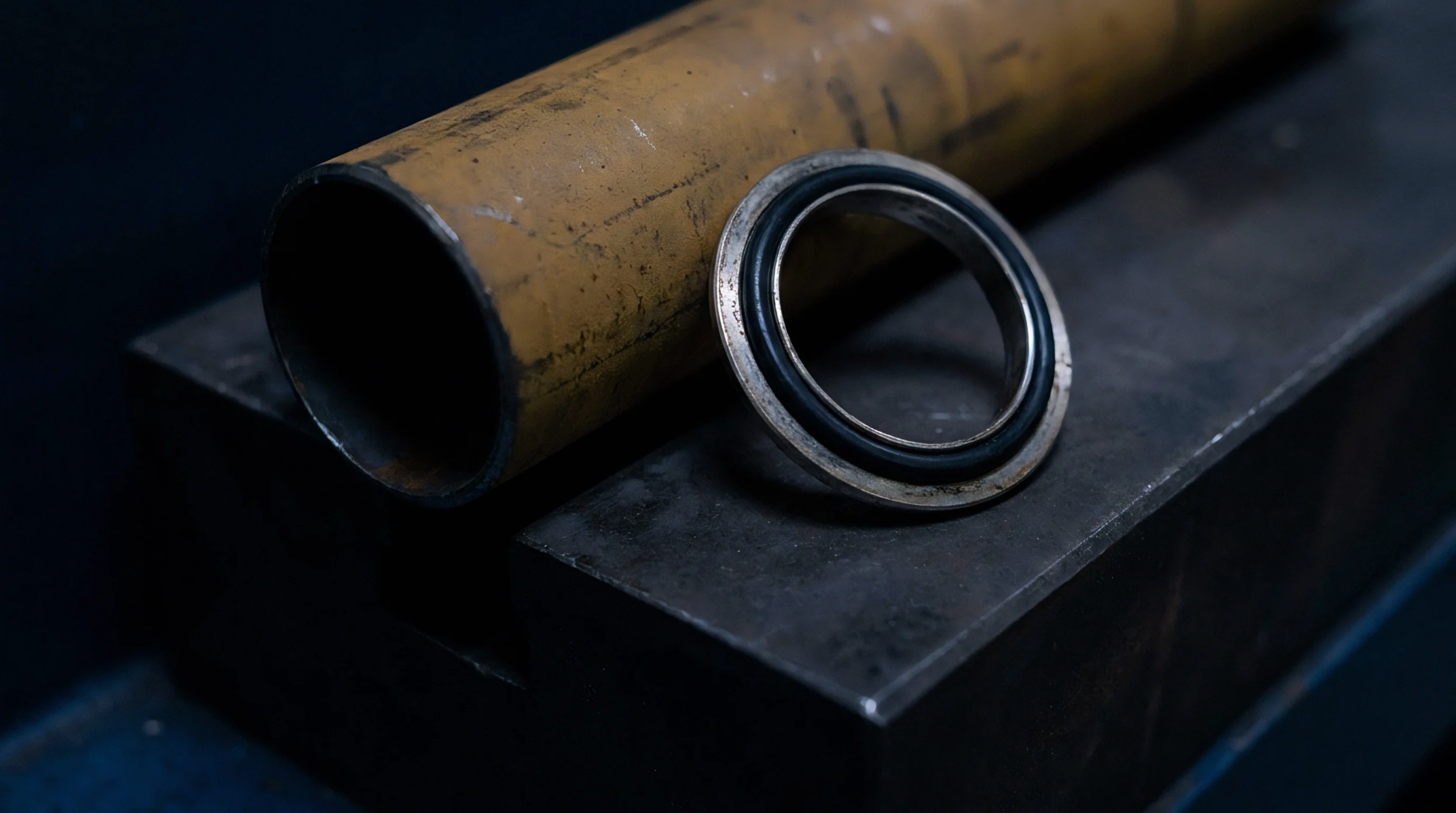
Toolroom Blueing and Optical Profilometry for Injection Mold Wear Verification
Optical profilometry replaces qualitative blueing paste with three-dimensional volume loss metrics, enabling precise mold wear tracking and flash prevention.
Polymeric custody tracking forms the logistical governance framework that dictates how raw thermoplastic granulate moves from compounding lines to silo batteries without cross contamination. Asset transfer protocol determines the exact purge cycles required between distinct high performance engineering resins inside pneumatic conveyance tubing. Operations teams establish these parameters during primary plant commissioning phases to prevent particulate degradation and batch rejection.
Melt flow index divergence occurs when improper sequencing leaves foreign polymer residues inside transport conduits. Material specifications dictate the inherent viscosity limits of virgin feedstock, whereas part specifications define the structural integrity of the final moulded article. Moulders maintain strict control over drying temperatures to avoid moisture absorption during the transit phase.
Regrind economics alter the baseline cost structure by introducing recycled polymer streams into the primary feed hopper. Datasheet values represent ideal laboratory test results, whereas shop floor operators face environmental variables that shift viscosity curves across a continuous production run. Granulate degradation accelerates when thermal histories exceed established thresholds during long distance pneumatic transport.
Conveyance velocity regulation governs the volumetric throughput of high density polyethylene pellets moving through stainless steel pipe networks. Technicians calibrate blower speeds during initial tooling sign off to eliminate angel hair formation inside the elbows. Shear stress accumulates rapidly when excessive air pressure pushes resin particles against pipe bends at elevated speeds.
Pressure differentials across filter assemblies indicate the accumulation of fines before blockages halt the compounding line. Operators measure particle size distribution regularly to catch early signs of mechanical wear within the blower impellers.
Data logging verification monitors every batch movement from intermediate bulk containers to the injection moulding machine hoppers. Quality inspectors check humidity levels inside drying hoppers prior to material release for optical component production. Sensor calibration occurs during weekly maintenance windows to guarantee accurate temperature readings across heated manifold systems.
Voltage fluctuations in the heater bands cause localized overheating within the barrel zones during extended production cycles. Thermal degradation ruins transparent parts by introducing yellowing defects that fail strict optical inspection criteria.
Compliance testing verifies that the entire material handling infrastructure meets stringent cleanliness standards before pharmaceutical grade polymer processing begins. Plant engineers audit pneumatic line couplings to ensure airtight seals prevent ambient moisture ingress during humid weather conditions. Moisture meters measure residual water content in hygroscopic resins immediately before the material enters the plasticizing screw.
Screw wear reduces plasticizing efficiency and creates inconsistent melt homogeneity across multi cavity tooling layouts. Pressure transducers monitor injection pressure profiles to detect flow restrictions caused by degraded polymer buildup in the nozzle tip. Final inspection protocols confirm that moulded components achieve the required mechanical tolerances without suffering from internal void formation.
Optical profilometry replaces qualitative blueing paste with three-dimensional volume loss metrics, enabling precise mold wear tracking and flash prevention.
Expertise is a utility, not a secret. sentiention™ publishes its working knowledge as open reference: intelligence layer covering the materials it sources, the markets it enters, and the reference that serves both.