Meaning
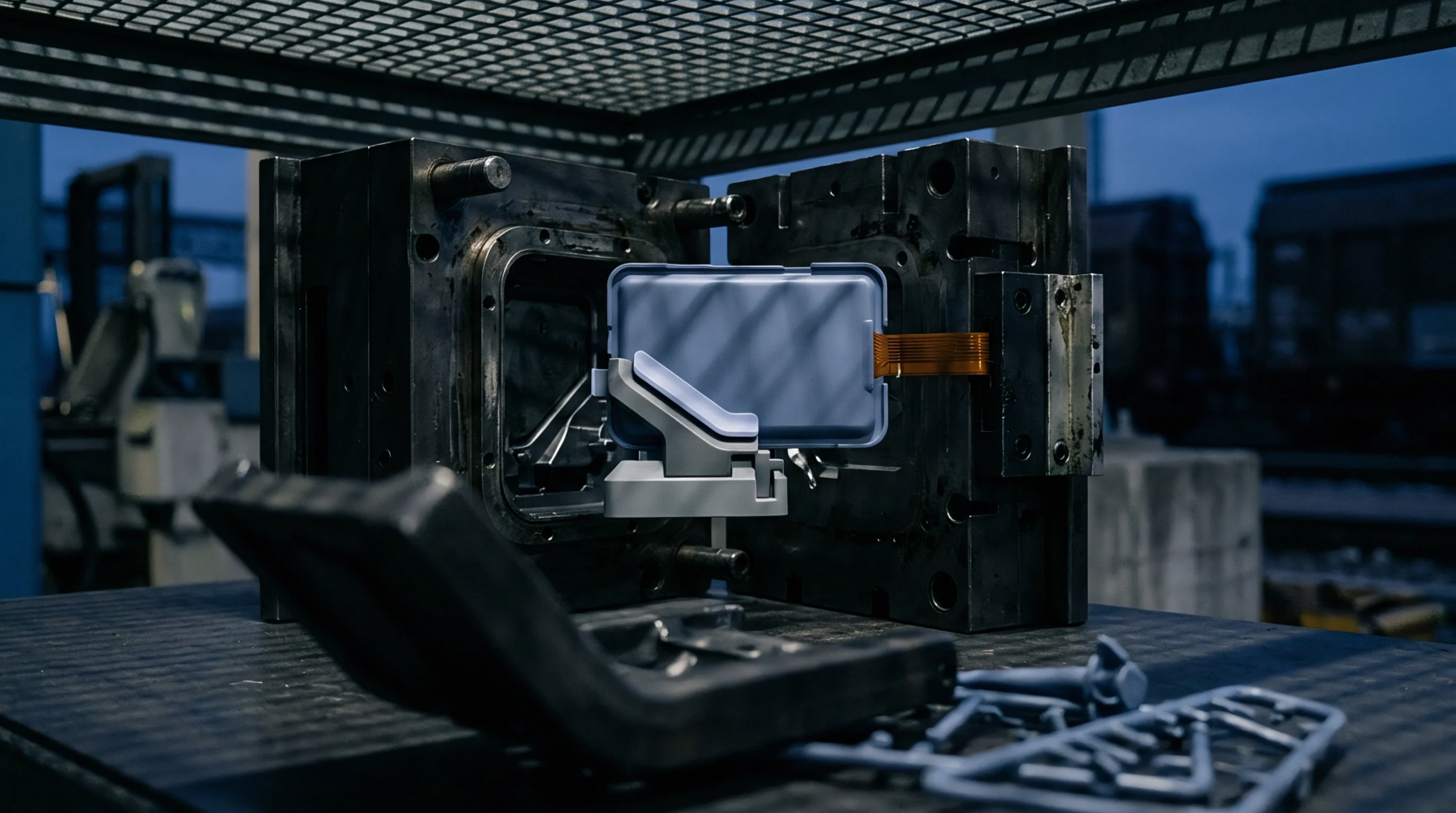
Martensitic stainless steel with high chromium content provides the corrosion resistance and high hardness required for plastic injection moulding inserts. The alloy known as aisi 420 contains approximately twelve percent chromium, which protects the tooling from corrosive byproducts of polymers such as polyvinyl chloride. This material achieves its final mechanical properties through quenching and tempering.
It is typically used for cavity inserts, gate areas, and mould plates.
Steel Metallurgy
High carbon content in the alloy enables heat treatment to high hardness levels. This chemical composition allows the steel to achieve a uniform martensitic structure that resists compressive deformation under high injection pressures. The presence of chromium ensures that a passive oxide layer forms on the surface of the tool, preventing rust during storage or when using cooling water.
Moulding Performance
High wear resistance from the tempered structure minimizes gate wear when processing glass-filled resins. Polishability of aisi 420 is excellent, which is critical for moulding parts that require high optical clarity or high gloss surfaces. Because the steel resists attack from outgassed acids, it prevents pitting of the polished cavity surfaces during long production runs.
Production Lifecycle
Long-term stability of the tooling decreases maintenance frequency and extends the overall life of the mould. Choosing a high-quality stainless steel instead of pre-hardened carbon steel reduces the risk of stress cracking in complex cooling channels. Although the initial cost of the material is higher than standard tool steel, the reduction in downtime for corrosion repair offsets the initial investment over high-volume production cycles.
Preventing rust in the cooling channels also maintains consistent heat transfer rates, which ensures stable cycle times over millions of cycles.