Meaning
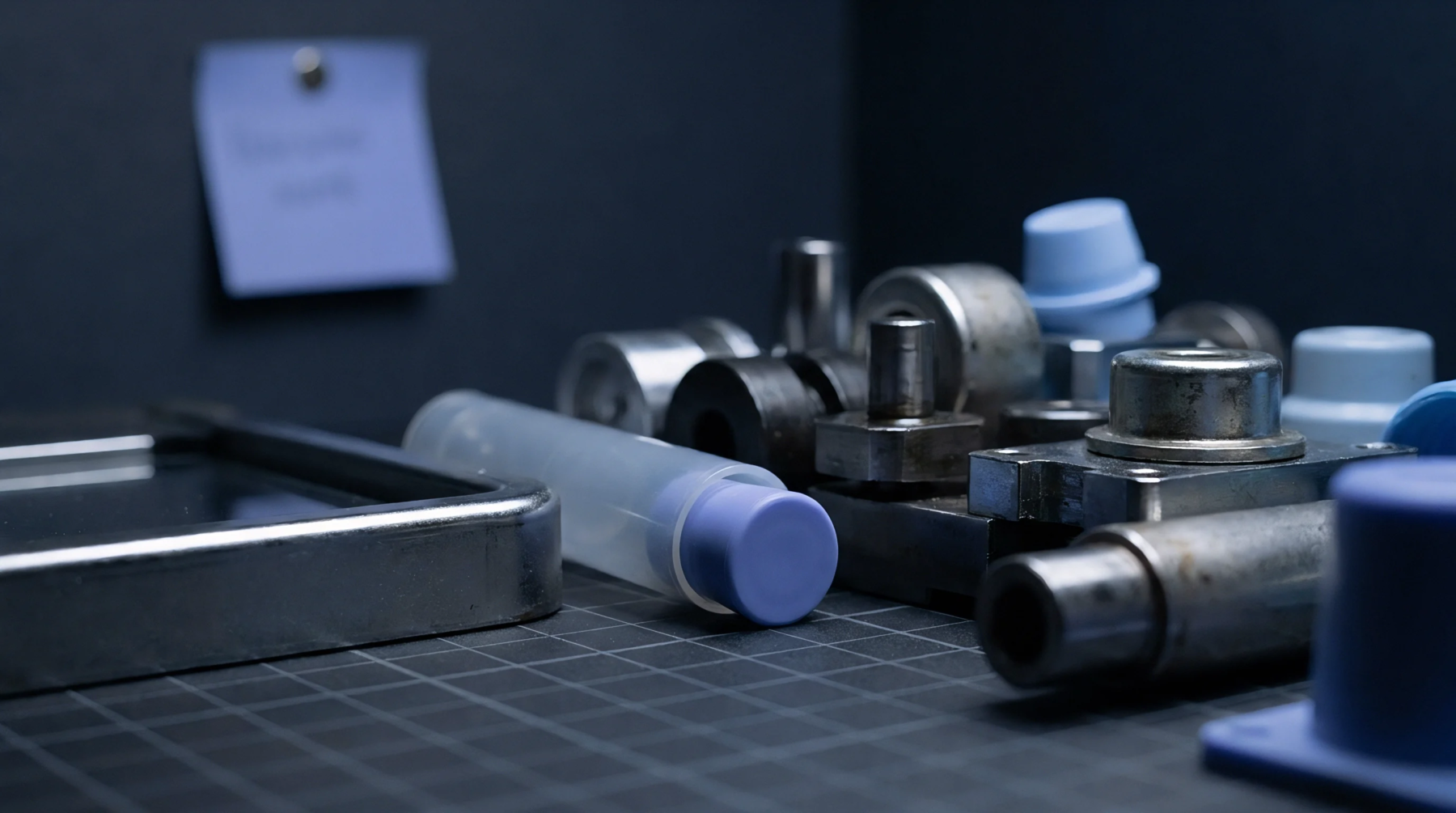
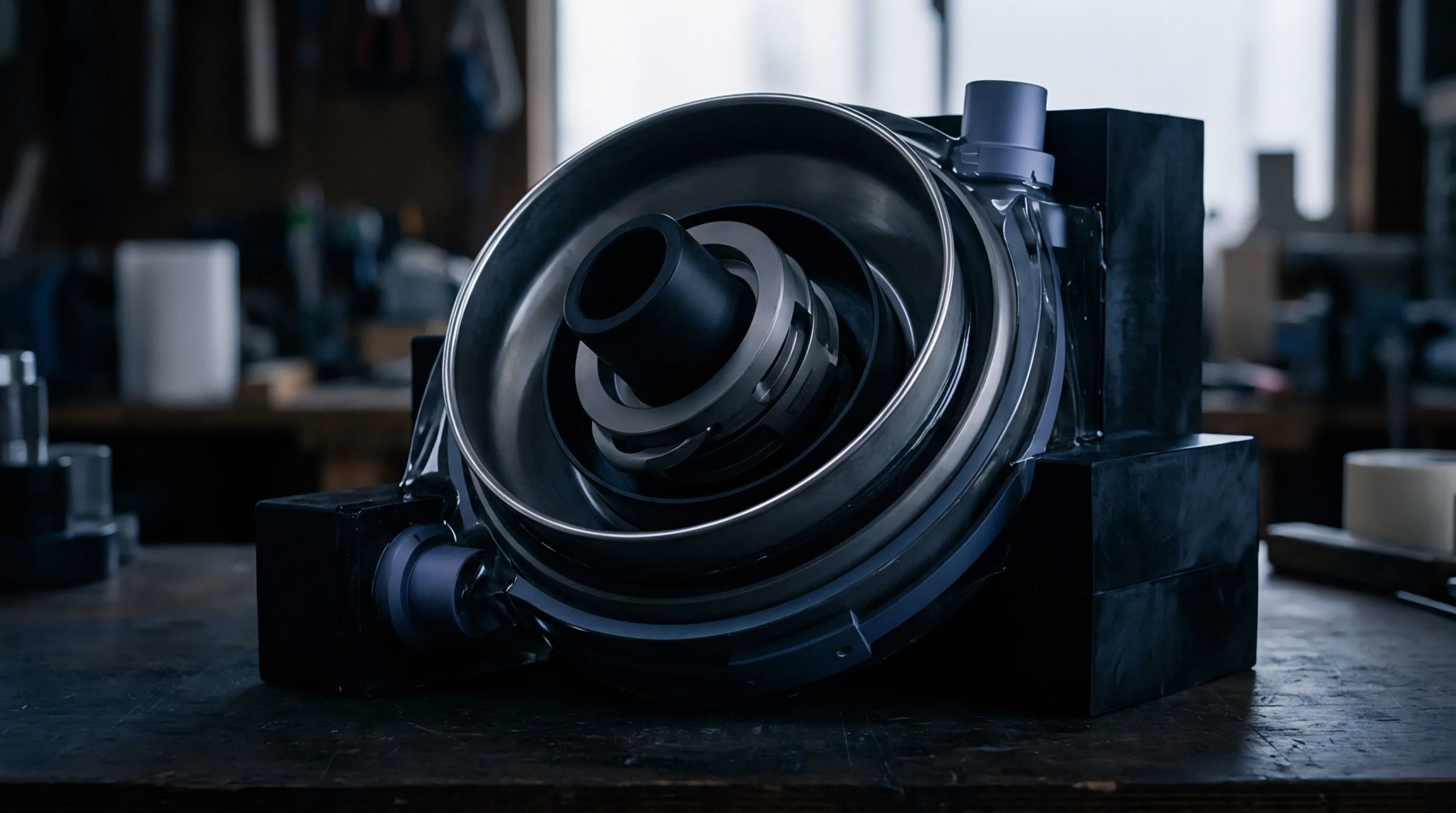
Chromium-molybdenum-vanadium alloyed hot-work steel functions as a high-performance material for injection moulding cavities and cores subject to severe thermal cycles. This steel, known technically as 1.2344 tool steel, provides superior resistance to heat checking and gross cracking in heavy section tools. It remains dimensionally stable during hardening and tempering processes because it exhibits low secondary hardening sensitivity.
The metallurgy revolves around a chromium base for oxidation resistance, while molybdenum and vanadium additions ensure structural integrity at elevated service temperatures.
Thermal Resistance
Cavity inserts require 1.2344 tool steel to endure the repetitive shock of molten resin entering the mould at extreme temperatures. High thermal conductivity allows the material to dissipate heat rapidly into the cooling channels which protects the integrity of the part geometry. Moulders select this grade when cooling lines sit close to the cavity surface, as the alloy maintains hardness despite local thermal gradients.
Any failure to manage these temperatures causes premature plastic deformation of the steel, leading to flashing at the parting lines and expensive unplanned maintenance. Practitioners verify the heat treatment hardness against the expected clamping tonnage of the injection press. If the hardness falls below the specified range, the core pins suffer from abrasive wear against glass-filled polymers.
Precise vacuum hardening prevents oxidation of the cavity surface, which keeps the polish intact through thousands of cycles.
Economic Optimization
Virgin material usage dictates the primary cost for toolmakers who machine complex geometries from solid blocks. Regrind material from older moulds lacks the homogeneous grain structure required for high-cavity tools, so the industry standard dictates virgin supply for all critical production moulds. A datasheet value for impact strength provides a baseline for design, yet a moulder holds a lower value across a production run due to the cumulative stress of constant cycling.
Purchasing departments balance the upfront investment of this high-alloy grade against the risk of mould repair costs. Frequent mould failure creates a disruption in supply chain logistics for the end consumer. Budget constraints sometimes push manufacturers toward cheaper alternatives, but those substitutes rarely survive the required cycle life of high-volume production.
Accurate procurement of this specific grade ensures that the mould surface resists the chemical attack of corrosive flame retardants found in engineering resins.
Processing Limits
Cavity inserts encounter mechanical limits when cycle times shorten to increase throughput. Every injection pulse adds thermal energy to the 1.2344 tool steel, which eventually alters the microstructure if the cooling system loses efficiency. Toolmakers monitor the working temperature of the mould, as the transition to brittle fracture modes occurs when the steel exceeds its tempered stability limit.
Maintenance teams replace these components when the surface shows microscopic fatigue lines that indicate the start of structural degradation. Consistent cooling control extends the life of the tool significantly. Good practice requires mapping the actual tool surface temperature throughout the injection phase to ensure the alloy operates within its fatigue window.
High-stress mould configurations depend on the inherent toughness of this steel to prevent catastrophic breakage.