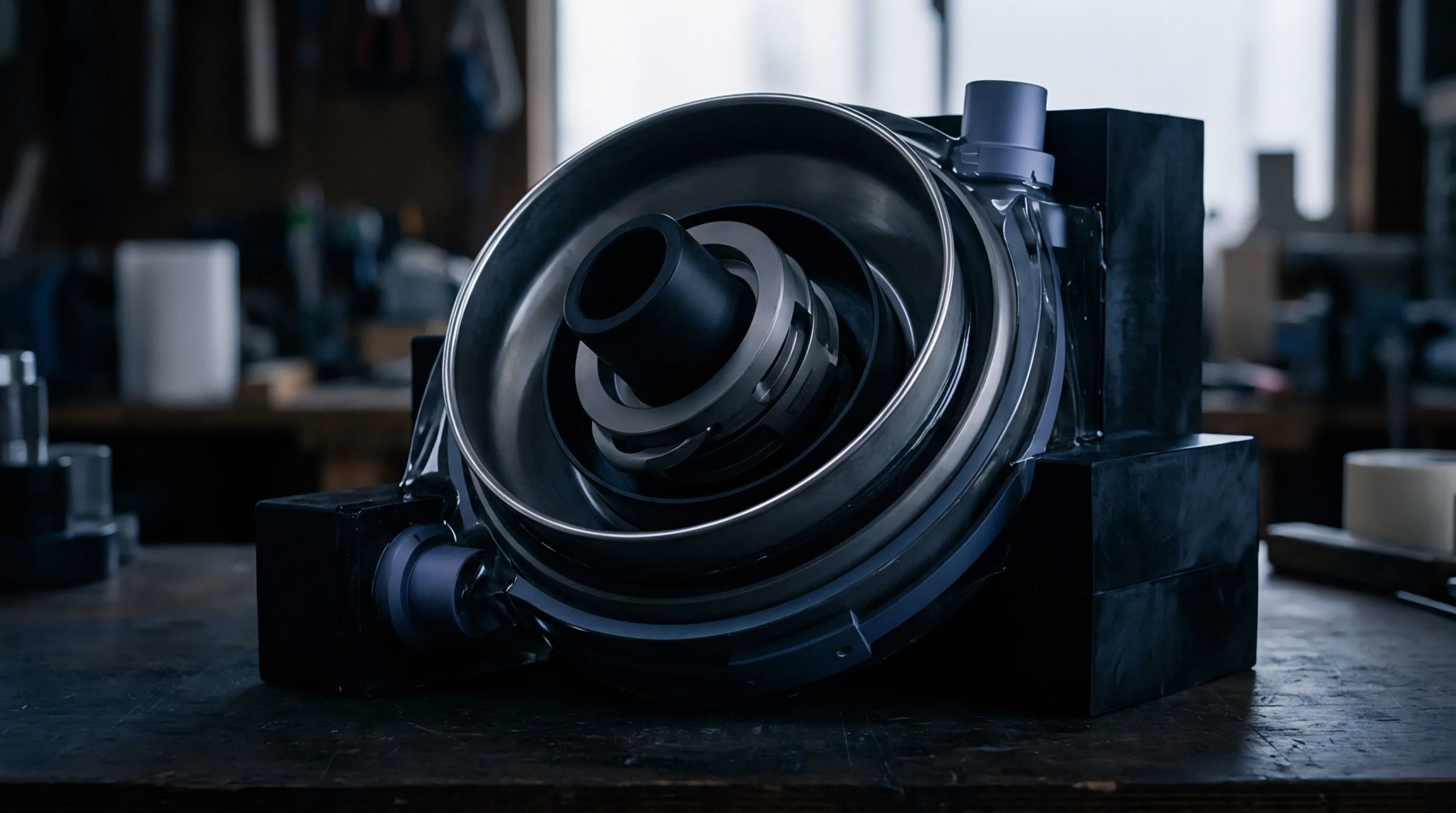
First Shot Samples Polished before the Buyer Ever Sees Them
Doctored T1 samples hide draft and thermal flaws through hand polishing; enforce raw steel T0 audits with continuous cavity telemetry before sign-off.
Automated performance history archives record sensor readings from polymer processing machinery during active manufacturing runs. Injection press telemetry logs capture hydraulic pressure curves, barrel temperature profiles, and screw position coordinates through every cycle phase. These digital archives establish a baseline for melt density and volumetric shrinkage in semi-crystalline thermoplastics like high density polyethylene and polypropylene.
Acquisition rates exceed one hundred hertz to register rapid viscosity shifts inside the mold cavity. Thermal degradation occurs when barrel heaters drift beyond preset temperature boundaries during prolonged production pauses. Shear heating alters melt flow behavior when injection velocities exceed resin specific limits.
Production engineers consult injection press telemetry logs to diagnose cavity fill imbalances before flash or short shots appear on molded components. Part specifications define final dimensional tolerances and mechanical load capacities for the manufactured article. Material specifications dictate melt flow index, filler content, and moisture limits for the raw polymer pellets before hopper loading.
Virgin polymer behaves predictably under standard processing parameters due to consistent molecular weight distributions. Regrind material introduces viscosity variations that distort pressure curves within injection press telemetry logs during plasticizing phases. Laboratory datasheet values reflect controlled conditions that rarely match factory floor realities across long production runs.
Moulders maintain process stability by holding cavity pressure tolerances tighter than standard machine limits allow. Telemetry storage stops the moment finished parts eject from the clamping unit and cycle counters reset.
Machine control units sample transducer signals continuously to map barrel zone thermal recovery and clamp tonnage fluctuations. Thermocouple degradation introduces measurement errors that distort temperature profiles stored within injection press telemetry logs. Pressure transducers mounted near the nozzle tip record melt pressure peaks during the transfer phase.
Pressure drops reveal gate freezing anomalies and inadequate packing pressure profiles. Volumetric shrinkage increases when packing pressure duration falls below the crystallization threshold of engineering resins. Molders adjust hydraulic boost pressures to compensate for thermal expansion within the hydraulic manifold block.
Melt temperature consistency dictates whether part warpage stays within allowable tolerances on flat structural housings. Operator interventions alter baseline sensor outputs during shift changes and manual parameter overrides.
Data mining software evaluates historical production runs to isolate root causes of dimensional instability in molded articles. Statistical process control algorithms flag pressure curve anomalies that signal hopper starvation or material bridging. Torque overload events register as spikes in screw rotation current draw during plasticizing sequences.
Part weight fluctuations correlate directly with cushion distance variations recorded in injection press telemetry logs. Viscosity shifts force automated controllers to adjust injection speed profiles dynamically during mold filling. Cavity pressure integration provides a reliable metric for part density without destructive cross section analysis.
Machine learning algorithms predict barrel wear rates by tracking torque increases over thousands of operating hours.
Quality management teams review archived cycle data to verify compliance with contractual part specifications and material standards. Regulatory bodies require traceable records for medical components molded from bio compatible thermoplastics. Archived records prove that processing temperatures remained within validated windows throughout the entire manufacturing shift.
Dimensional drift triggers scrap sorting protocols when sensor curves deviate from approved golden batch parameters. Customer audits rely on historical process parameters to validate root cause analyses following field failures. Defective parts carry financial penalties that exceed the material cost savings achieved through aggressive cycle time reductions.
Final acceptance protocols depend on verifiable pressure and temperature histories rather than random manual spot checks.
Doctored T1 samples hide draft and thermal flaws through hand polishing; enforce raw steel T0 audits with continuous cavity telemetry before sign-off.
Expertise is a utility, not a secret. sentiention™ publishes its working knowledge as open reference: intelligence layer covering the materials it sources, the markets it enters, and the reference that serves both.