Characterization of Interfacial Microvoid Nucleation Dynamics under Cryogenic Dynamic Deformation
Cryogenic high-rate impact shifts matrix mechanics to glassy shear strain, driving microvoid nucleation at uncompatibilized particle interfaces below 123 K.
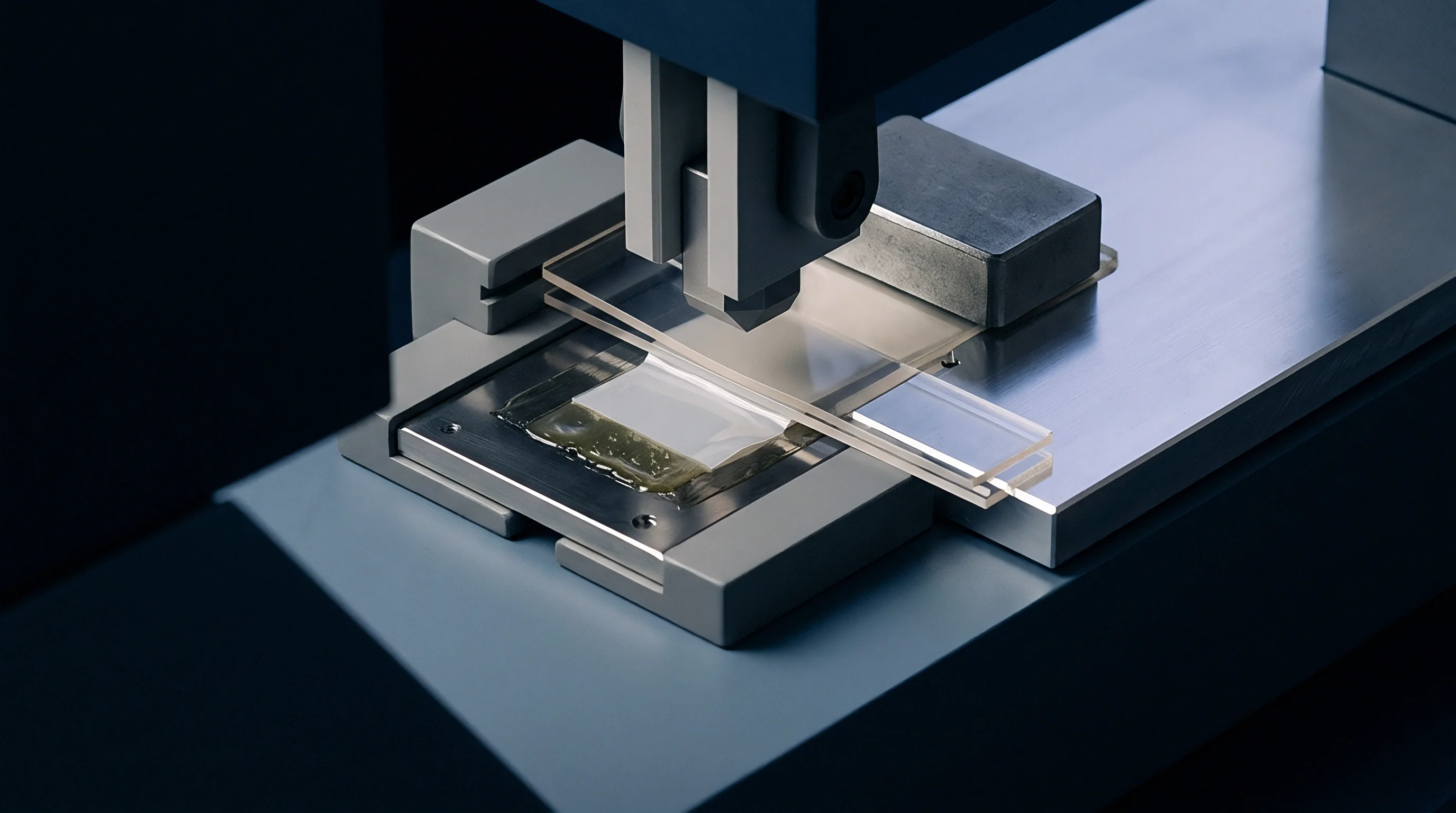
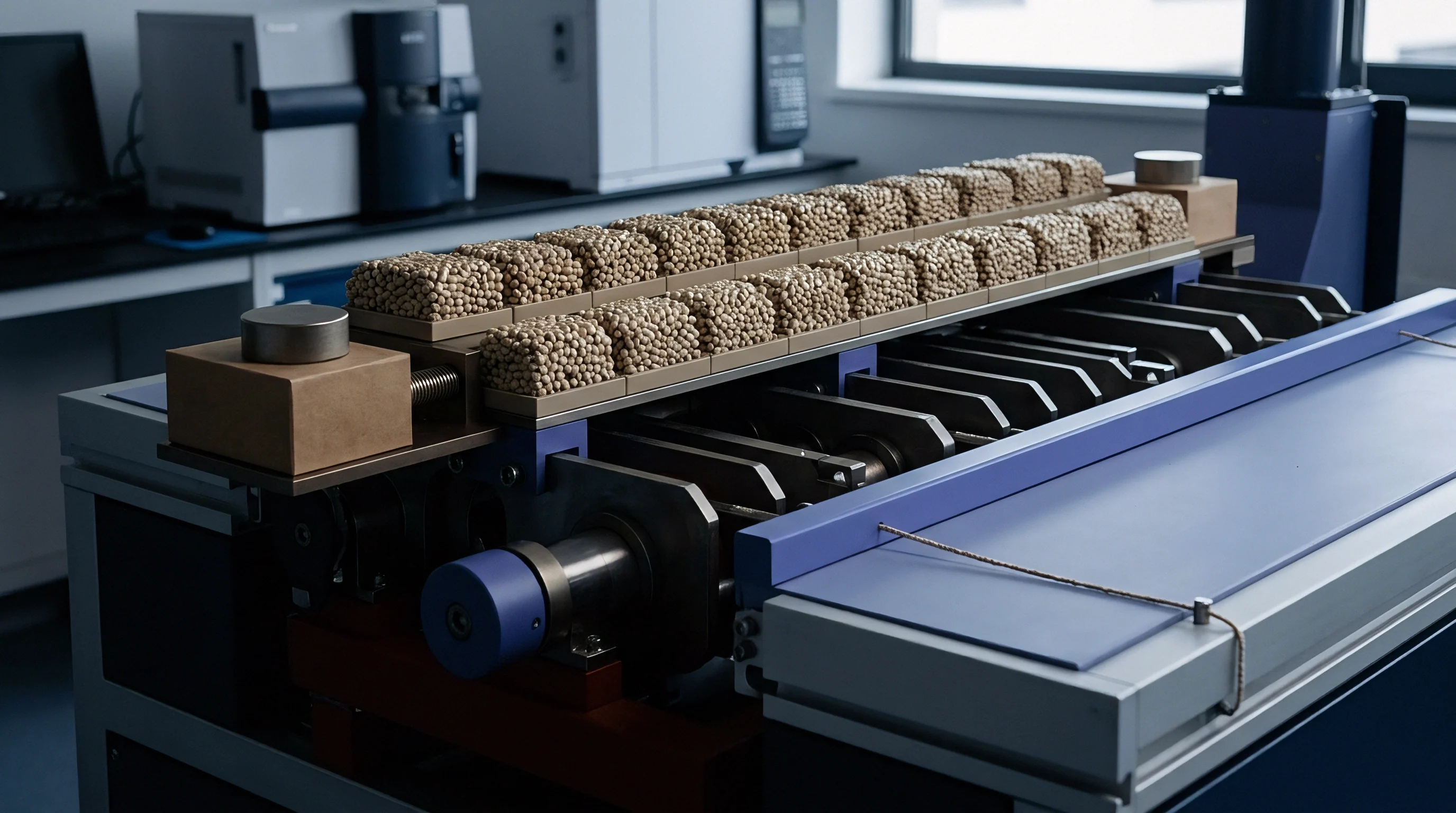
Void
Exposing elastomer-modified polymers to high strain rates at temperatures below liquid nitrogen boiling points shifts matrix mechanical behavior into the deep glassy regime. Chain mobility freezes entirely, preventing macro-scale plastic flow and concentrating deformation stresses at heterogeneous inclusions. Dispersed elastomeric phases or inorganic filler particles act as local stress concentrators.
Dynamic tensile fields generate microscopic triaxial tension state hot spots at the particle poles, initiating sub-micron separations along matrix-phase boundaries.

Hydrostatic Stress Triaxiality at Sub-Ambient Temperatures
Hydrostatic tension generated at phase boundaries drives localized matrix separation during rapid deformation. The ratio of hydrostatic stress to equivalent von Mises stress determines whether a toughened polymer deforms through energy-absorbing shear bands or catastrophic void formation. At ambient temperatures, the soft elastomer core cavitates internally under low volumetric stress, relieving triaxiality and allowing the surrounding polymer matrix to yield.
Lowering the temperature to 77 K alters this mechanical balance completely.
Yield stress escalates under frost. The matrix yield stress rises above the adhesive strength of the interface. High strain rates freeze chains.
Consequently, interfacial decohesion occurs before rubber core cavitation can relieve local stress fields. The physical nucleation criterion relies on reaching a critical interfacial tensile stress, expressed as a function of domain radius, matrix surface energy, and shear modulus at cryogenic temperatures.
Cavitation stress in ethylene-octene copolymers shifts from 12 MPa at 298 K to 145 MPa at 123 K under ISO 527 strain rates.
The table below summarizes critical mechanical and nucleation parameters across common toughened cryogenic resins evaluated under high strain rates.
| Polymer Matrix | Modifier Phase | Glass Transition Shift at 10³ s⁻¹ (K) | Cavitation Stress at 77 K (MPa) | Critical Nucleation Radius (nm) |
|---|---|---|---|---|
| Polypropylene Homopolymer | Ethylene-Octene Copolymer (20 wt%) | +38 | 162 | 14.2 |
| Polyamide 6 | Maleated EPDM (15 wt%) | +45 | 188 | 8.7 |
| High-Density Polyethylene | Core-Shell Acrylate (10 wt%) | +22 | 115 | 22.5 |
| Polycarbonate | Silicone Rubber (8 wt%) | +18 | 140 | 18.1 |
Matrix Glass Transition Shifts under Dynamic Strain
Superimposing high strain rates onto cryogenic exposure compounds matrix brittleness through time-temperature equivalence. High loading rates compress the time frame for molecular relaxation, effectively shifting the operational glass transition temperature upward by tens of degrees. Under dynamic split-Hopkinson pressure bar impacts exceeding 10³ s⁻¹, a polyolefin operating at dry ice temperatures exhibits the mechanical yield profile of an unmodified glassy polymer near absolute zero.
Void growth halts early. Dense microvoid arrays form near inclusions, but local plastic strain cannot expand these voids into stable shear zones. Dynamic loads alter strain fields.
Cavities expand along particle poles. The spatial density of these microscopic separations scales exponentially with strain rate, creating severe internal density fluctuations before macroscopic crack propagation begins.
Whether interfacial energy dissipation during high-rate cryogenic void formation can be tailored without sacrificing ambient room-temperature impact strength remains an open engineering challenge.
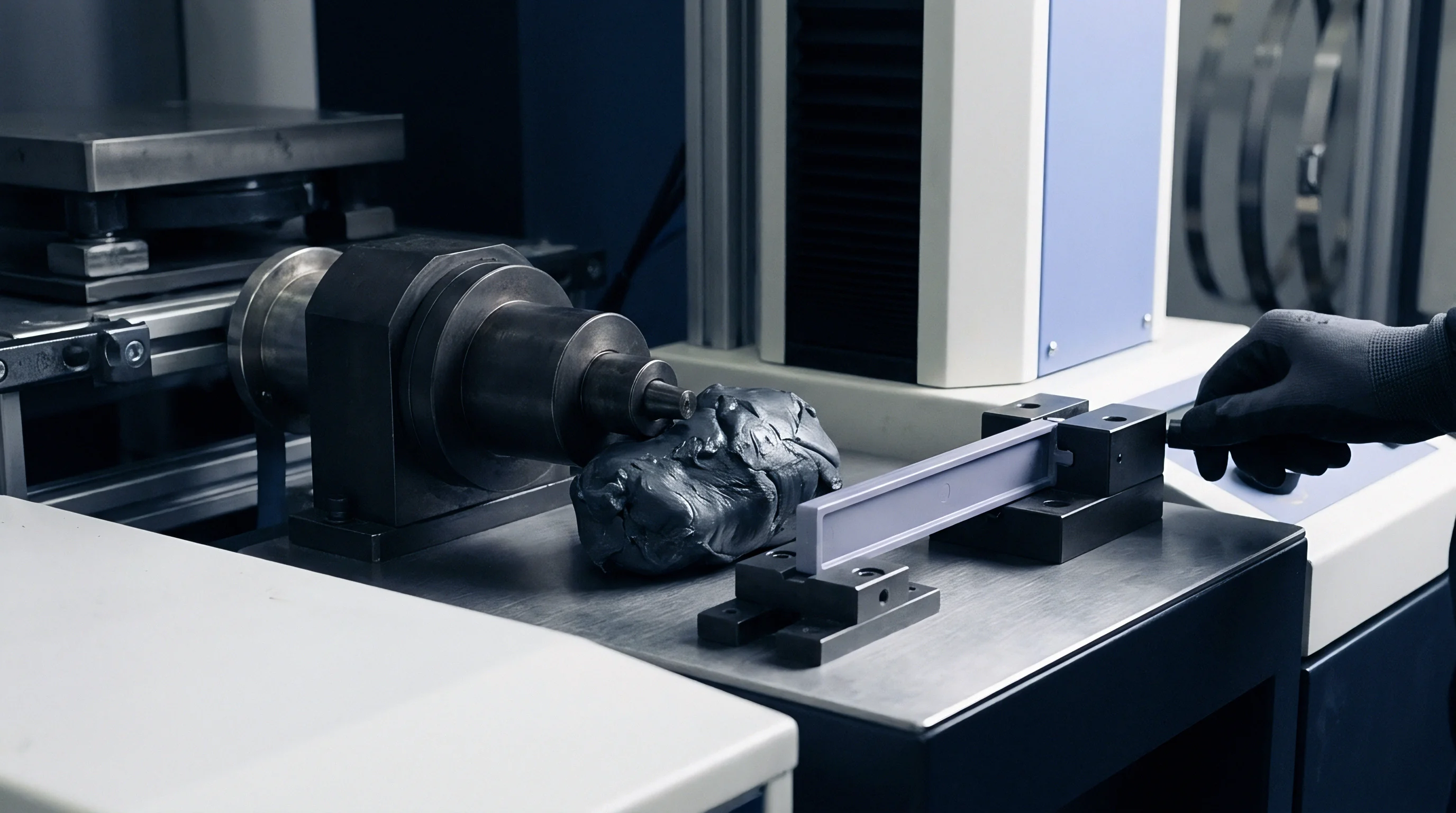
Scattering
Real-time structural diagnostics under dynamic cryogenic shock demand specialized X-ray free-electron lasers or high-flux synchrotron beamlines. Traditional static optical or electronic microscopy fails to capture void formation dynamics occurring on microsecond time scales at sub-zero temperatures. Ultra-small-angle X-ray scattering provides continuous, non-destructive volumetric quantification of nanoscale phase separations inside frozen specimens during dynamic impact.
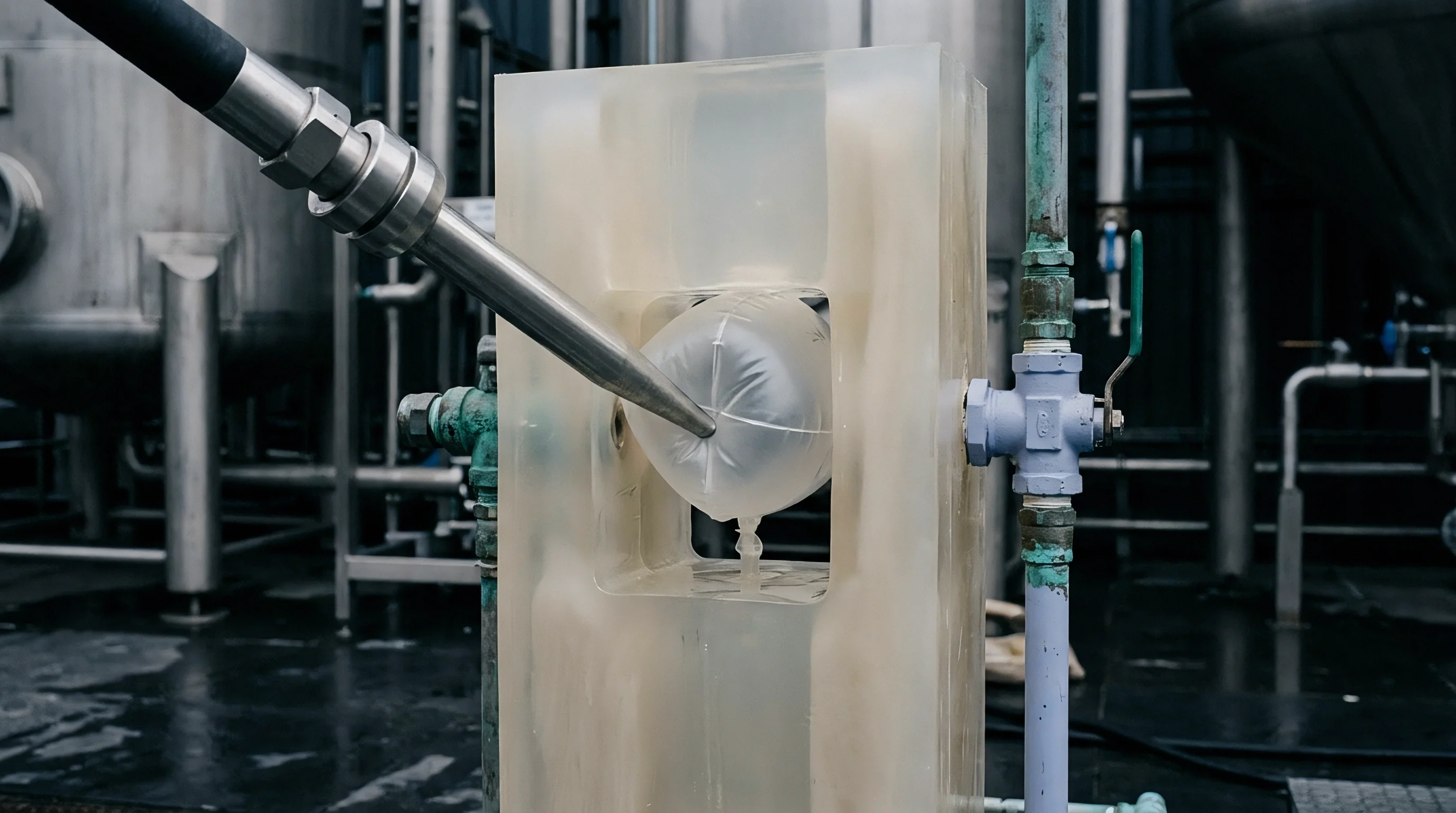
In-Situ Cryogenic Hopkinson Bar Characterization
Coupling a modified split-Hopkinson pressure bar apparatus with synchrotron X-ray beamlines requires extreme thermal isolation and precise electronic synchronization. The specimen sits within a vacuum-insulated cryostat cooled by liquid nitrogen jets while titanium striker bars deliver compressive or tensile impact pulses. Thermal shock initiates microvoids.
Scattering profiles reveal void kinetics.
- Stabilize the cryo-SHPB specimen fixture at liquid nitrogen temperatures below 123 K.
- Synchronize the piezoelectric load washer trigger with the high-energy X-ray beam shutter.
- Record background scattering frames before pulse wave arrival to establish baseline electron density variation.
- Isolate the microvoid scattering invariant from matrix thermal contraction artifacts during dynamic loading.
Compliance with ASTM E2888 mandates cryogenic synchrotron SAXS acquisition rates exceeding ten kilohertz to capture high-rate void growth.
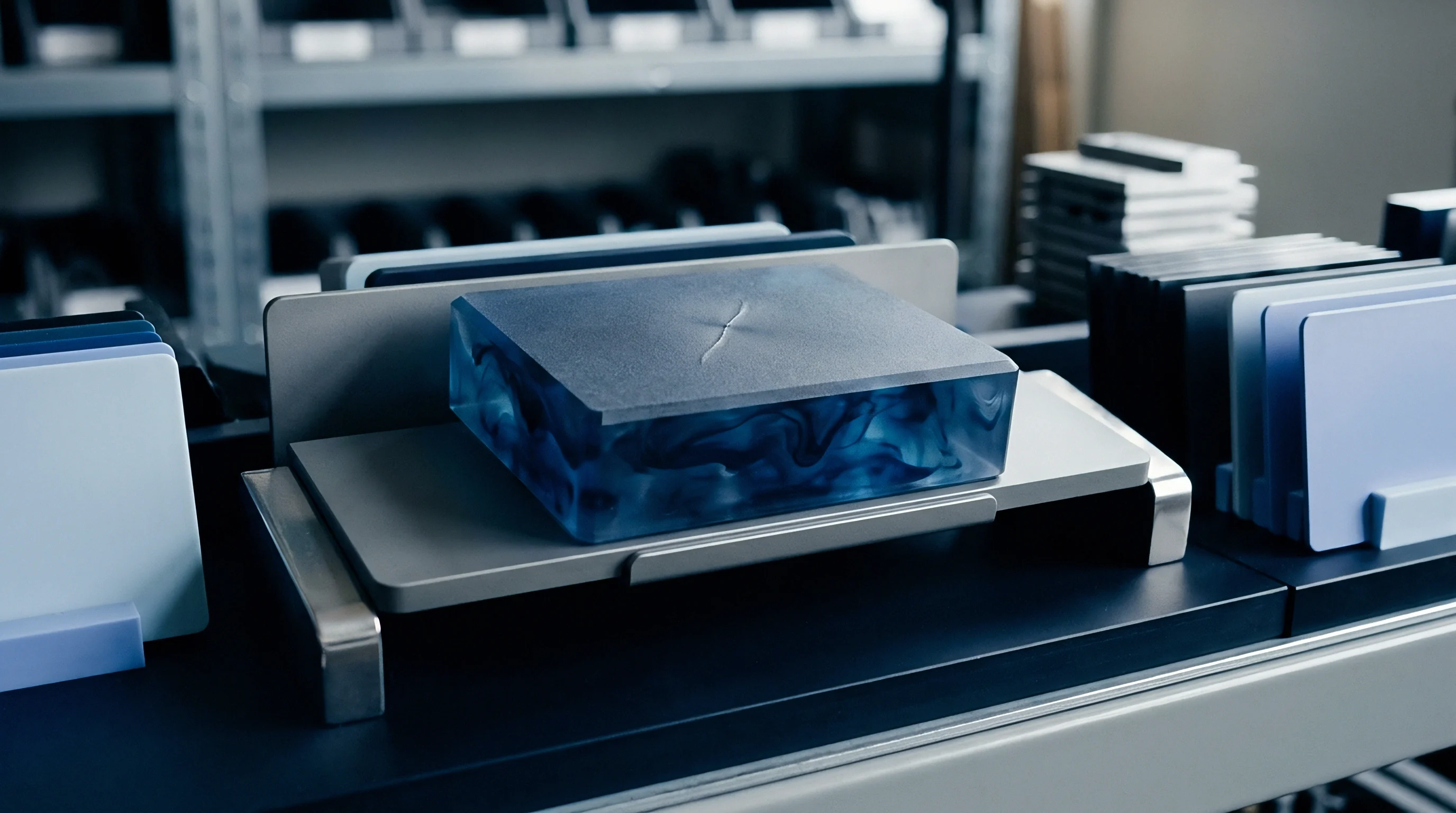
Small-Angle X-Ray Diffraction for Porosity Volume Fractions
Quantifying total microvoid volume fraction relies on calculating the scattering invariant across the small-angle regime. Electron density contrast between the solid polymer matrix and newly formed micro-cavities produces intense low-angle scattering signals. Resolving Guinier and Porod regions of the scattering curve yields average void radii, total void surface area, and spatial distribution metrics within microsecond integration windows.
Density drops during strain. Analyzing Porod region slopes reveals interfacial sharpness between the matrix and expanding voids. Slopes deviating from classic fourth-power dependence signal diffuse boundary transitions or localized chain scission surrounding the nucleating cavity.
Synchrotron data confirms that microvoid radii plateau near 25 nanometers under cryogenic dynamic conditions, constrained by high matrix yield strength.
Standard delivery contracts referencing ISO 178 flexural testing at room temperature fail to certify resin survival against microvoid coalescence under impact at cryogenic duty temperatures.
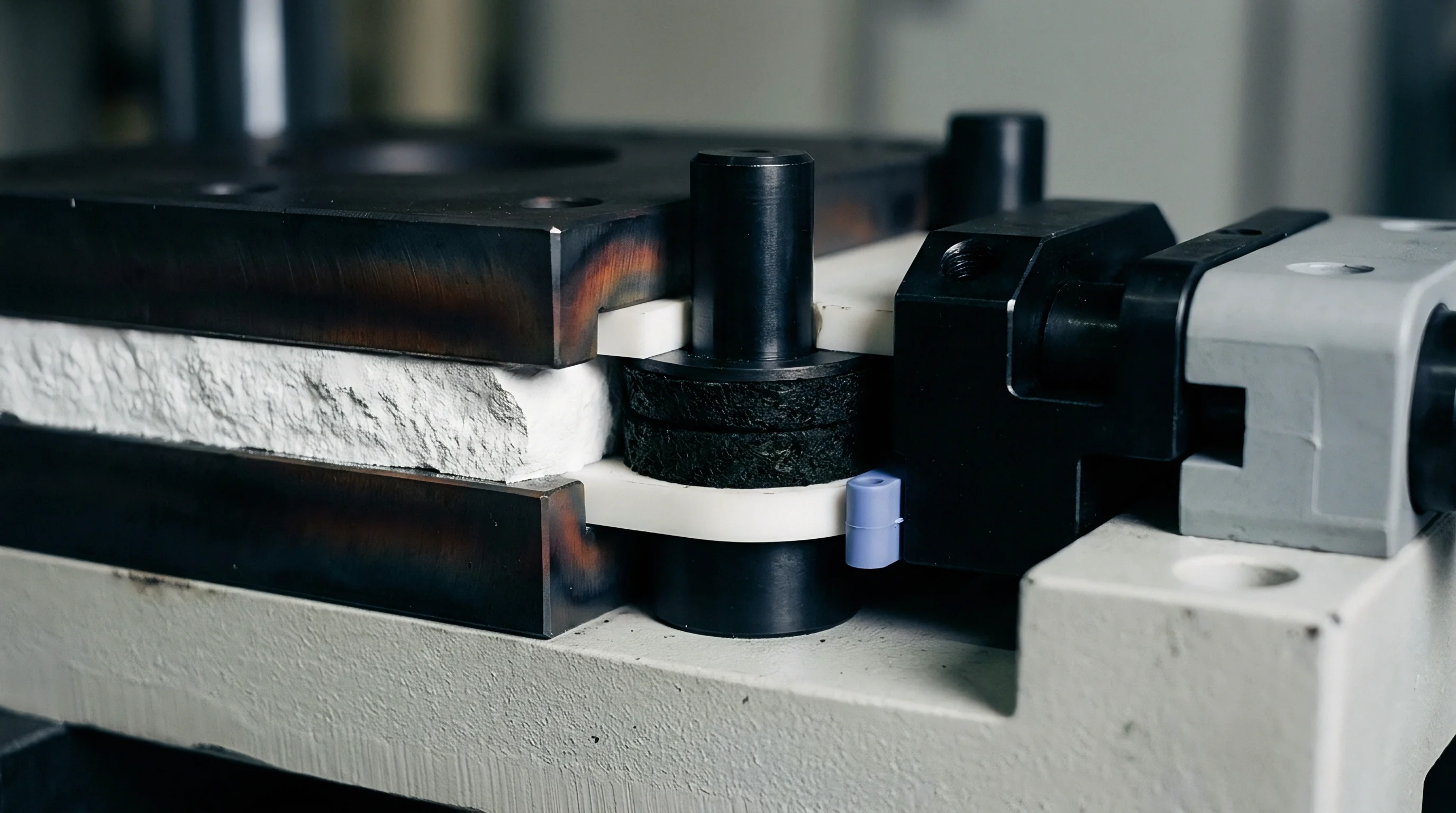
Boundary
Interfacial engineering governs the mechanical coupling between tough rubber particles and brittle polymer matrices. Reactive compatibilizers, such as maleic anhydride grafted polyolefins, form covalent bonds across the phase boundary during extrusion compounding. The resulting interpenetrating chain network dictates whether stress transfers smoothly across the interface or concentrates into destructive debonding forces.
How Do Grafting Levels Control Cryogenic Interfacial Cavitation?
Maleic anhydride concentration along the modifier backbone sets the interfacial chain entanglement density. Low grafting levels produce weak interfaces that separate under minimal hydrostatic tension, triggering premature microvoid nucleation. Excessive grafting creates over-compatibilized interfaces with rigid interfacial layers that inhibit local matrix shear yielding, driving brittle fracture directly through the modifier domains.
Interfacial adhesion governs crack deflection. Optimizing grafting levels balances interfacial strength against matrix yield stress at cold temperatures. Rubber domains absorb shock energy.
The table below outlines how compatibilizer concentration influences domain morphology, interfacial energy, and low-temperature impact limits.
| Compatibilizer Grade | Maleic Anhydride Content (wt%) | Rubber Domain Size (μm) | Interfacial Adhesion Energy (J/m²) | Cryogenic Impact Threshold (kJ/m²) |
|---|---|---|---|---|
| MAH-g-PP Low Graft | 0.35 | 1.45 | 4.2 | 6.1 |
| MAH-g-PP Medium Graft | 0.85 | 0.38 | 18.6 | 24.3 |
| MAH-g-PP High Graft | 1.50 | 0.12 | 32.1 | 11.8 |
| MAH-g-EPDM Co-Graft | 1.10 | 0.28 | 24.5 | 28.9 |
| Impact measurements conducted via notched Izod per ISO 179/1eA at 77 K using 3.2 mm injection molded bars. | ||||
Morphology verification requires incoming compounding inspection protocols that target phase domain distribution and compatibilizer integrity before processing.
- Agglomerated Rubber Domains reduce effective interfacial surface area, forming stress concentration sites that initiate low-strain cryogenic debonding.
- Compatibilizer Degradation during high-shear compounding lowers graft chain length, decreasing interfacial entanglement density below critical mechanics thresholds.
- Phase Inversion Instability shifts elastomeric modifiers from discrete spherical particles into continuous networks, reducing overall flexural modulus under cold conditions.
Suppliers frequently claim off-spec impact values stem entirely from molding tool thermal gradients rather than uncompatibilized rubber phase domain coarsening in the compound.

Velocity
Deformation velocity dictates microvoid spatial evolution within the process zone at dynamic crack tips. At quasistatic speed, plastic deformation dissipates applied mechanical energy through extended shear banding. Under dynamic shock loading exceeding ten meters per second at sub-zero temperatures, stress wave propagation velocities outpace plastic shear wave generation within the polymer matrix.
Dynamic Crack Tip Void Coalescence Kinetics
High wave speeds focus mechanical energy into extremely narrow crack tip zones. Hydrostatic tension within this focused zone accelerates microvoid nucleation rates while restricting void growth time. Uncompatibilized interfaces debond instantly.
Microvoids nucleate in high-density arrays ahead of the primary crack tip, coalescing rapidly into planar craze-like structures that collapse into catastrophic brittle cleavage planes.
Rubber domains larger than matrix entanglement lengths trigger interfacial debonding before bulk shear yielding occurs under shock loading.
Managing dynamic impact failure requires qualification protocols that evaluate polymer grades under exact shock velocity and operational temperature boundaries.
- Verify High-Rate Melt Flow stability using ISO 1133 test conditions to ensure molecular weight distribution supports high-velocity strain hardening.
- Audit Compounding Pellet Lots via cryo-FIB-SEM to confirm sub-micron rubber domain distribution matches qualified baseline dossiers.
- Require Cryogenic Impact Dossiers featuring instrumented drop-weight or SHPB data at target operating temperatures rather than standard ambient notch figures.
- Enforce Thermal History Controls during part molding to prevent post-crystallization phase separation in toughened semi-crystalline blends.
Selecting rubber-toughened polymers for cryogenic dynamic service relies on maintaining average modifier particle diameters below five hundred nanometers.


Duty
Material specifications written for cryogenic seals, LNG piping liners, and aerospace liquid hydrogen handling components carry severe financial penalties for unpredicted brittle failure. Buying commodity-grade toughened polyolefins based on nominal datasheet values exposes engineering programs to lot-to-lot modifier drift. Small variations in compounding let-down ratios convert ductile energy dissipation into catastrophic interfacial debonding under cryogenic shock.
Compounding Variance and Interfacial Failure Exposure
Pellet shipments carrying identical branded grade numbers often originate from different compounding halls using distinct extruder screw configurations. Variations in shear history change the graft density of maleic anhydride compatibilizers and alter rubber phase distribution. Melt flow rate tests conducted under standard ISO 1133 conditions (2.16 kg load at 230 °C for polypropylene) frequently fail to expose subtle elastomer crosslinking or chain scission generated during aggressive compounding cycles.
Uncompatibilized elastomeric blends suffer rapid cryogenic microvoid coalescence that turns impact resistance into catastrophic brittle fracture.
Consider a 40-tonne order of rubber-toughened polyamide intended for cryogenic valve seals priced at 4,800 USD per tonne landed. Assuming a two percent incoming lot failure rate caught only during final assembly cryogenic shock testing, scrap loss equals 3,840 USD in raw material alone. Machine shop labor, tool wear, and cleanroom re-certification elevate total part loss to over 42,000 USD per batch.
Chain scission accelerates degradation. Incorporating explicit cryogenic microvoid resistance standards into material procurement contracts shifts replacement cost and audit liability back to the compounder.
Skipping incoming cryo-FIB-SEM domain size verification for toughened resin lots risks catastrophic field component shatter during cold dynamic pressure pulses.